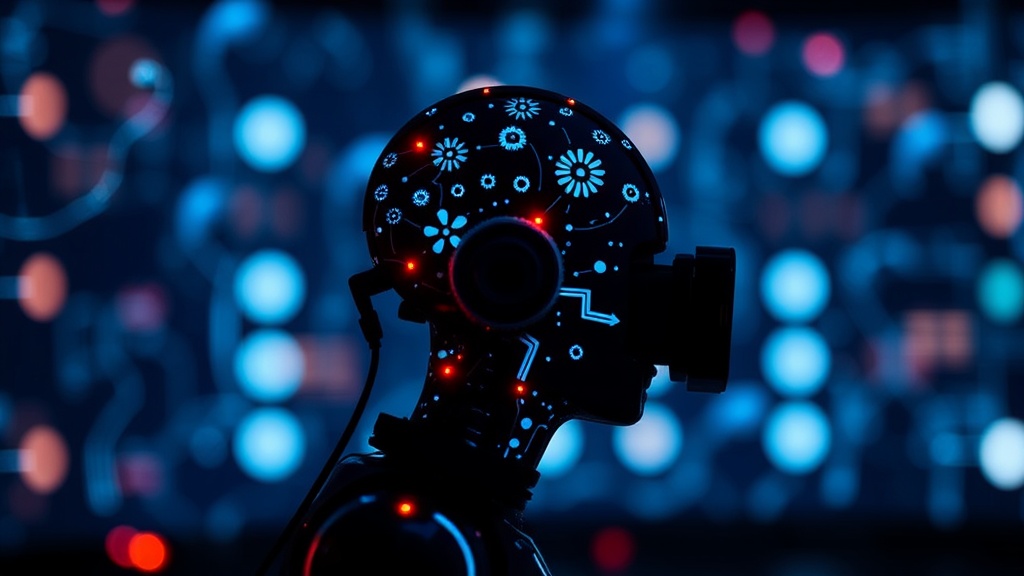
In a world where technology and art intertwine, the line between human creativity and artificial intelligence is blurring. Filmmaking, once a craft solely reliant on human ingenuity, is now being reshaped by the power of AI. This transformative force is not replacing human artists, but rather acting as a powerful muse, enhancing their creative potential and pushing the boundaries of storytelling.
Take Anya, a young filmmaker struggling to find her voice in a dystopian thriller set in a neon-drenched metropolis. Her project felt lifeless, lacking the emotional depth she craved. Desperate for inspiration, she turned to an AI program called Muse, renowned for its ability to compose film scores that resonated with the human soul. As Anya fed Muse her script, the AI began to weave a haunting melody, its notes echoing the anxieties and hopes of her characters. The music breathed life into her film, guiding her vision and pushing her creative boundaries.
This story, while fictional, highlights the potential of AI to become a valuable collaborator in the filmmaking process. From scriptwriting to visual effects, AI is offering filmmakers a new set of tools to enhance their creative vision and bring their stories to life in ways never before imagined.
AI-Assisted Scriptwriting: A New Tool for Storytellers
AI is not just composing film scores; it’s also venturing into the realm of scriptwriting. AI-powered tools can analyze vast amounts of data, including existing scripts, character archetypes, and plot structures, to generate fresh ideas and develop compelling narratives.
For writers facing writer’s block or seeking new perspectives, AI can act as a brainstorming partner, offering alternative plot twists, character motivations, and dialogue options. It can also help with the structural elements of a script, ensuring a logical flow and pacing.
While AI can assist with the technical aspects of scriptwriting, it’s important to remember that the heart of storytelling lies in human emotion and experience. AI can provide tools and insights, but it’s the human writer who brings the story to life with their unique voice and perspective.
The AI Muse
Story
Title: The AI Muse
Text: In a world where technology and art intertwined, a young filmmaker named Anya struggled to find her voice. Her latest project, a dystopian thriller set in a neon-drenched metropolis, felt lifeless, lacking the emotional depth she craved. Desperate for inspiration, she turned to an AI program called Muse, renowned for its ability to compose film scores that resonated with the human soul. As Anya fed Muse her script, the AI began to weave a haunting melody, its notes echoing the anxieties and hopes of her characters. The music breathed life into her film, guiding her vision and pushing her creative boundaries.
Scene: Anya sits in her dimly lit editing suite, surrounded by screens displaying scenes from her film. The AI-generated score plays softly in the background, its ethereal melodies filling the room. On one screen, a lone figure walks through a rain-soaked alleyway, the camera positioned at a low angle, emphasizing the character’s vulnerability against the towering, neon-lit buildings.
Shots
The AI Muse 0
A low-angle shot of the character walking through a rain-soaked alleyway, the camera positioned close to the ground, creating a sense of unease and emphasizing the character’s smallness against the towering, neon-lit buildings. ; Suspenseful, lonely, vulnerable ; Low angle ; Cyberpunk ; The alleyway is bathed in neon light, casting long shadows and creating a sense of mystery and danger. Rain falls in sheets, blurring the edges of the scene and adding to the atmosphere of isolation.
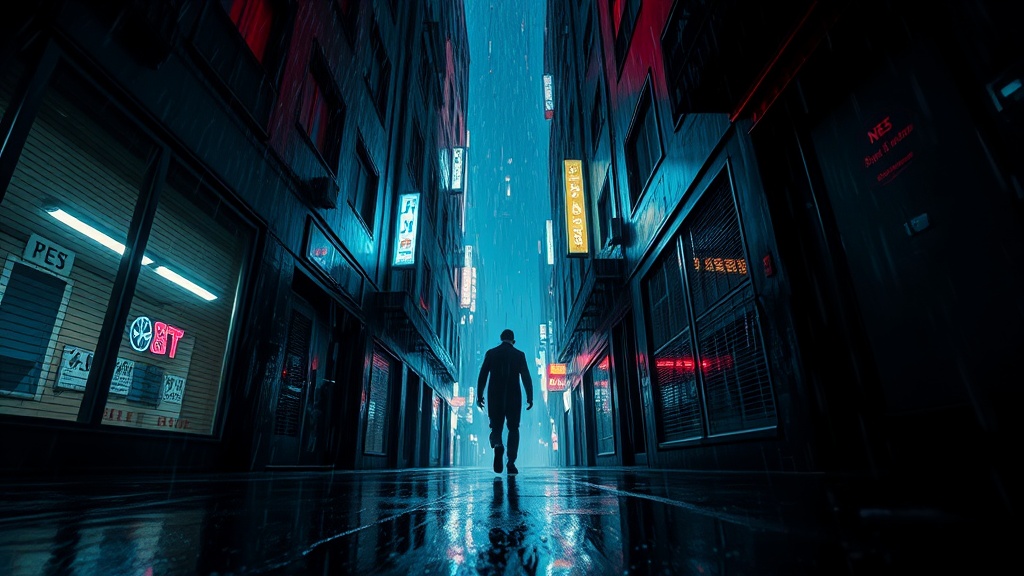
Mood: Suspenseful, lonely, vulnerable
Camera Position: Low angle
Dramatic Style: Cyberpunk
The AI Muse 1
A close-up of Anya’s face as she listens intently to the AI-generated score, her eyes reflecting a mixture of awe and inspiration. ; Intrigued, hopeful, inspired ; Close-up ; Cyberpunk ; The screen behind Anya displays a visual representation of the AI score, with abstract shapes and colors swirling in sync with the music, reflecting the city’s chaotic energy.
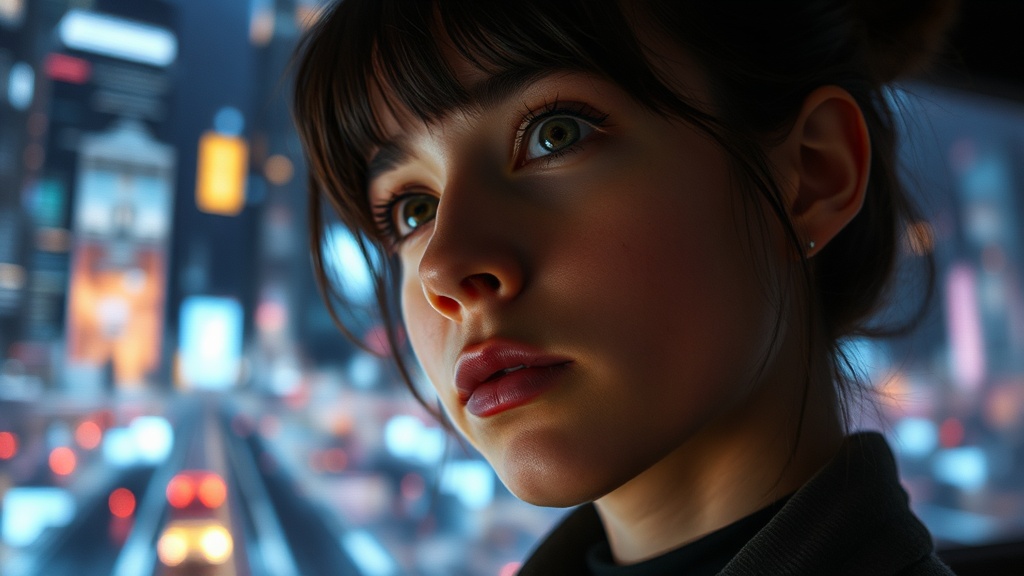
Mood: Intrigued, hopeful, inspired
Camera Position: Close-up
Dramatic Style: Cyberpunk
The AI Muse 2
A high-angle shot of the cityscape, showcasing the vastness and isolation of the environment, highlighting the character’s journey through a world that feels both familiar and alien. ; Vast, lonely, contemplative ; High angle ; Cyberpunk ; The cityscape is rendered in a futuristic style, with flying cars and holographic billboards adding to the sense of wonder and technological advancement. The rain creates a shimmering effect on the neon lights, blurring the lines between reality and virtual reality.
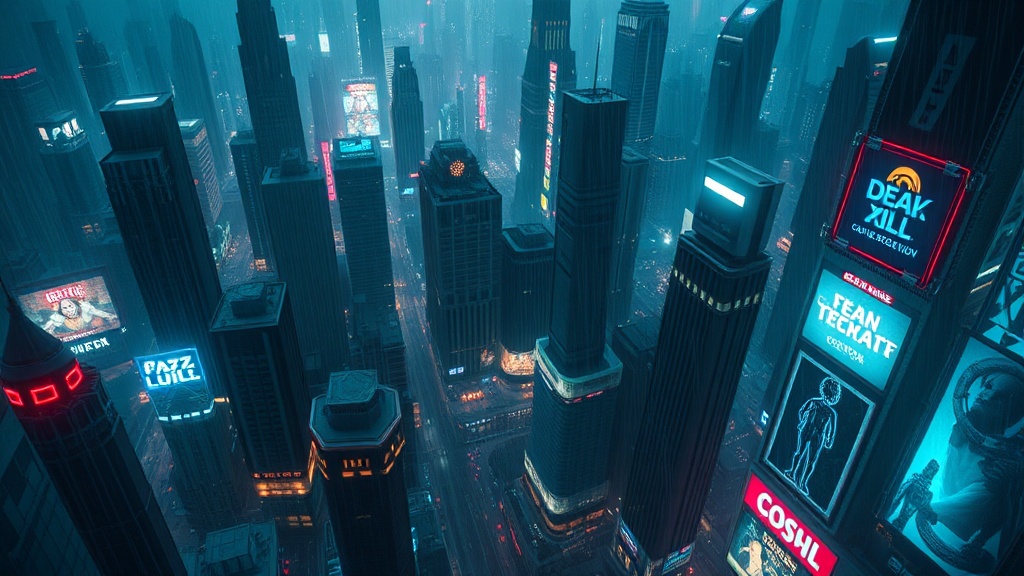
Mood: Vast, lonely, contemplative
Camera Position: High angle
Dramatic Style: Cyberpunk
AI-Powered Visual Effects: Pushing the Boundaries of Imagination
The visual landscape of filmmaking is also being transformed by AI. AI-powered tools can generate realistic environments, characters, and special effects, pushing the boundaries of what’s possible on screen.
Imagine creating a fantastical world with intricate details, populated by creatures that defy imagination. AI can help bring these visions to life, generating complex textures, realistic movements, and dynamic lighting effects.
The impact of AI on visual storytelling is profound. It allows filmmakers to create immersive and engaging worlds that transport audiences to new realms of imagination. From the vast landscapes of science fiction to the intricate details of historical dramas, AI is empowering filmmakers to tell stories in ways that were previously unimaginable.
The Future of Filmmaking: A Collaborative Ecosystem
The future of filmmaking is not about replacing human artists with AI, but rather about fostering a collaborative ecosystem where human creativity and AI technology work together to push the boundaries of storytelling.
As AI continues to evolve, we can expect even more innovative tools and techniques to emerge, further enhancing the filmmaking process. However, with this technological advancement comes a responsibility to ensure ethical development and use.
It’s crucial to maintain a balance between human creativity and AI assistance, ensuring that AI is used to enhance, not replace, the human touch. The future of filmmaking lies in a harmonious collaboration between human artists and AI, where technology empowers creativity and storytelling reaches new heights.