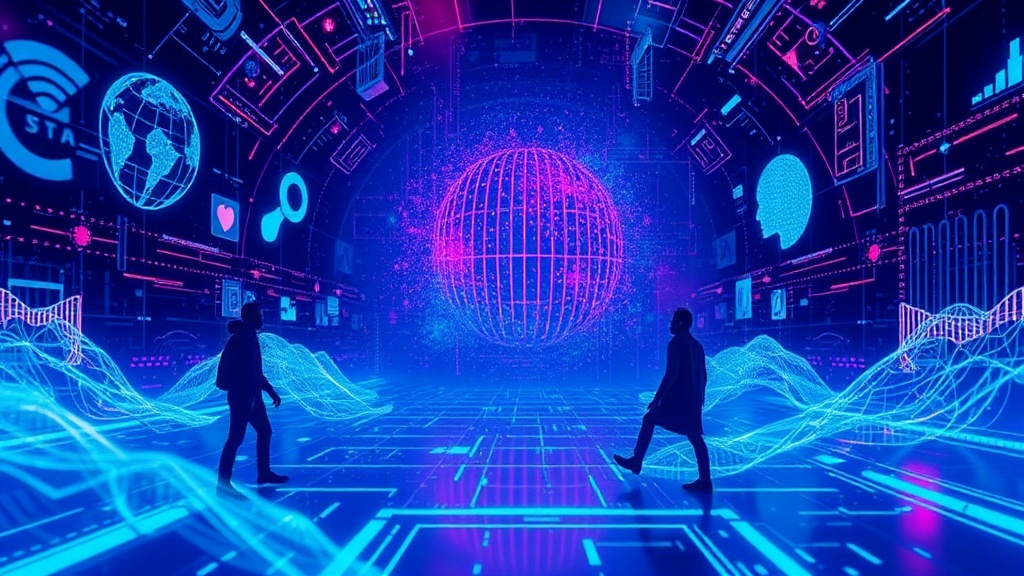
In the ever-evolving landscape of storytelling, AI is emerging as a powerful tool for creators. AI-generated visuals are transforming the way we craft narratives, offering new possibilities for expression and engagement. This guide explores the exciting world of AI-generated visual storytelling, providing insights for creators looking to harness this technology’s potential. While AI offers numerous benefits, it’s crucial to understand its limitations and navigate the ethical considerations that arise when using AI to create visual narratives.
Understanding AI-Generated Visuals: Beyond the Hype
AI-generated visuals encompass a wide range of possibilities, from intricate illustrations and dynamic animations to complete scene compositions. Tools like DALL-E 2 and Midjourney can generate stunning visuals based on text prompts, while software like Adobe After Effects and Cinema 4D offer AI-powered features for animation and visual effects. While AI excels at creating visually appealing and unique imagery, it’s important to recognize its limitations. AI-generated visuals may not always perfectly capture the nuances of human expression or convey complex emotions. Additionally, AI tools often require careful guidance and fine-tuning to achieve the desired results.
Choosing the Right AI Tools for Your Project
Selecting the right AI tool for your visual storytelling project depends on several factors. Consider the type of visuals you need, your budget, and the level of control you desire. For example, if you’re looking for quick and easy illustrations, a tool like Craiyon might be suitable. However, if you need highly detailed and customizable visuals, a more advanced tool like DALL-E 2 or Midjourney might be a better choice. Some tools offer a free tier, while others require a subscription. It’s also important to consider the level of control you have over the AI’s output. Some tools allow for more customization and fine-tuning, while others provide less flexibility.
Tips and Techniques for Effective AI-Generated Storytelling
To create effective visual narratives using AI, it’s essential to combine the power of AI with human creativity. Start by clearly defining your story’s theme, characters, and setting. Use descriptive prompts to guide the AI tool towards generating visuals that align with your vision. Experiment with different prompts and styles to discover the AI’s capabilities. Remember that AI is a tool, not a replacement for human creativity. Use your artistic skills to refine and enhance the AI-generated visuals, adding your unique touch and ensuring the story’s emotional impact. It’s also crucial to consider the ethical implications of using AI in storytelling. Ensure that the visuals you create are respectful, inclusive, and avoid perpetuating harmful stereotypes.
Conclusion: The Future of AI-Generated Visual Storytelling
AI-generated visual storytelling is a rapidly evolving field with immense potential. By understanding the capabilities and limitations of AI tools, embracing human creativity, and navigating ethical considerations, creators can unlock new possibilities for visual storytelling. As AI technology continues to advance, we can expect even more innovative and immersive experiences. The future of visual storytelling is bright, and AI is poised to play a significant role in shaping its evolution. Embrace the possibilities, explore the tools, and let your creativity flourish in this exciting new era of storytelling.