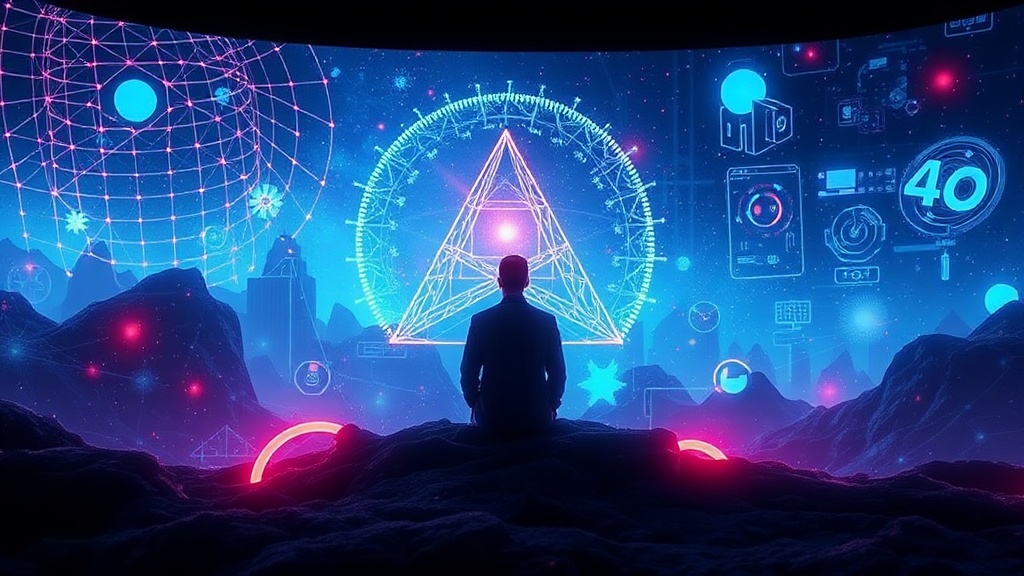
The world of storytelling is undergoing a dramatic transformation, fueled by the rise of artificial intelligence (AI). AI is no longer just a tool for data analysis; it’s becoming a powerful creative force, particularly in the realm of visual storytelling. From generating stunning visuals to crafting immersive narratives, AI is poised to revolutionize how we create and experience stories. While this new frontier offers exciting possibilities, it also raises important ethical considerations that we must address as we navigate this evolving landscape.
AI-Generated Visuals: A New Era of Creativity
AI is rapidly expanding its creative capabilities, particularly in the realm of visual storytelling. AI-powered tools can now generate a wide range of visuals, from intricate illustrations and dynamic animations to entire scenes that bring stories to life. The advantages of using AI for visual creation are numerous. AI can generate visuals at an unprecedented speed and efficiency, allowing creators to explore multiple ideas and iterate quickly. Moreover, AI can create unique artistic styles that are often beyond the capabilities of human artists, pushing the boundaries of visual expression. Imagine a world where stories are brought to life with AI-generated visuals that are both breathtakingly beautiful and uniquely captivating.
AI Tools for Visual Storytelling
A growing number of AI tools are specifically designed to enhance the visual storytelling process. These tools offer a range of features, from generating visuals based on text prompts to editing and enhancing existing images and videos. Some popular AI tools for visual storytelling include:
- DALL-E 2: This powerful AI tool can generate realistic images and art from natural language descriptions. It can be used to create unique visuals for stories, from characters and settings to abstract concepts.
- Midjourney: Midjourney is another AI art generator that allows users to create stunning visuals based on text prompts. It’s known for its ability to generate highly detailed and imaginative images.
- Adobe Sensei: Adobe’s AI technology, Sensei, is integrated into various Adobe Creative Cloud applications, offering features like automatic image enhancement, object removal, and content-aware fill. These features can significantly streamline the visual storytelling process.
- Pictory.ai: Pictory.ai is an AI-powered video creation platform that can automatically transcribe, summarize, and create engaging videos from long-form content. It’s a valuable tool for creating visual narratives from articles, podcasts, and other sources.
The Future of Visual Storytelling with AI
The future of AI in visual storytelling is brimming with exciting possibilities. As AI technology continues to advance, we can expect to see even more sophisticated and immersive experiences. Imagine stories that adapt to the viewer’s preferences, creating personalized narratives that resonate deeply. AI could also enable the creation of interactive stories where viewers actively participate in shaping the narrative. The lines between reality and fiction could blur as AI generates hyperrealistic visuals that transport viewers to entirely new worlds. The future of visual storytelling with AI is a future where creativity knows no bounds, where stories are more engaging, immersive, and personalized than ever before.
Ethical Considerations in AI-Generated Storytelling
While AI offers incredible potential for visual storytelling, it’s crucial to address the ethical implications of its use. One concern is copyright. Who owns the rights to AI-generated visuals? How do we ensure that artists are fairly compensated for their work? Another concern is bias. AI algorithms are trained on vast datasets, and these datasets can contain biases that can be reflected in the AI-generated visuals. It’s essential to develop AI systems that are fair, unbiased, and representative of diverse perspectives. Finally, there’s the concern about the potential displacement of human artists. As AI becomes more sophisticated, will it replace human creativity? It’s important to remember that AI is a tool, and like any tool, it can be used for good or bad. The responsibility lies with us to develop and use AI responsibly, ensuring that it enhances human creativity rather than replacing it. The future of visual storytelling with AI depends on our ability to navigate these ethical challenges and ensure that AI is used for the benefit of all.
Conclusion
AI is poised to revolutionize visual storytelling, offering a new era of creativity, efficiency, and immersive experiences. From generating unique visuals to enhancing the creative process, AI is transforming how we create and experience stories. While ethical considerations must be addressed, the potential of AI to unlock new forms of creative expression is undeniable. Embrace the future of visual storytelling, explore the possibilities of AI, and let your imagination soar.