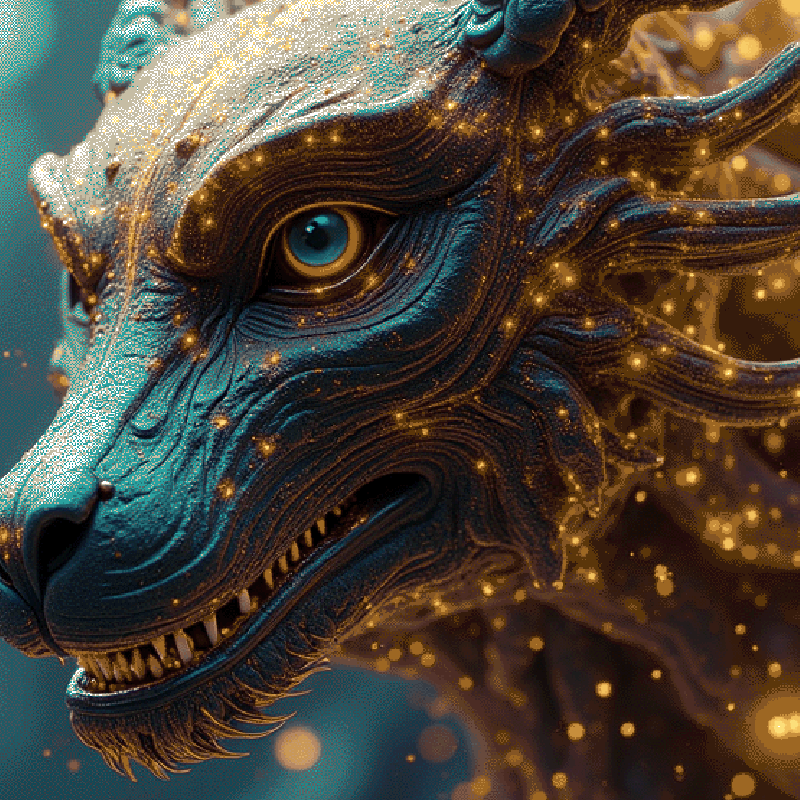
The Power of Multi-Modal Large Language Models (LLMs)
Discover the comprehensive understanding, cross-modal generation, and enhanced interaction capabilities of multi-modal LLMs, and their applications across various fields.
Artificial intelligence technologies have significantly transformed the way stories are created and produced.
AI and workflows have emerged as valuable tools for enhancing creativity, streamlining production processes, and improving storytelling efficiency. These AI-driven solutions enable media professionals to automate repetitive tasks, make informed creative decisions, and manage complex workflows with greater accuracy and speed.
Users can reduce manual effort, increase productivity, and focus on higher-level creative initiatives by utilizing AI agents and workflows. Across various media sectors, including film, television, and gaming, AI agents and workflows are transforming how stories are crafted, produced, and distributed.
This section provides an in-depth examination of the application of AI and workflows in storytelling. We will explore their impact on the creative process, analyze their benefits and challenges, and offer insights into how they can be effectively utilized to optimize productivity and enhance storytelling across different media industries. Join us as we delve into the intersection of AI and storytelling.
Character, Actor and Performance introduces the missing embodiment layer: canon defines a fictional person, but casting and performance change which expressions and state transitions audiences can convincingly experience.
Discover the comprehensive understanding, cross-modal generation, and enhanced interaction capabilities of multi-modal LLMs, and their applications across various fields.

The main story is the central narrative arc that encompasses the beginning, middle, and end. It includes the central conflict, characters, and the overarching plot. This blog post delves into the significance of the main story and provides tips on how to create a cohesive and captivating narrative.

Storytelling has been integral to human culture since the earliest days of gathering around fires. It has laid the foundation for philosophy, religion, and culture and has evolved into forms such as drama, entertainment, science communication, and branding.

Structuring a captivating backstory is essential for creating engaging characters and immersive narratives. You can craft a compelling story that resonates with your audience by identifying key events, creating a timeline, fleshing out the details, and integrating the backstory with the main narrative.

This blog post delves into the significance of backstories in storytelling and provides a detailed guide on crafting rich and engaging backstories for your characters and worlds.

In this guide, we explored how to use camera positions and dramatic effects to enhance your visual storytelling skills with Stable Diffusion 3.
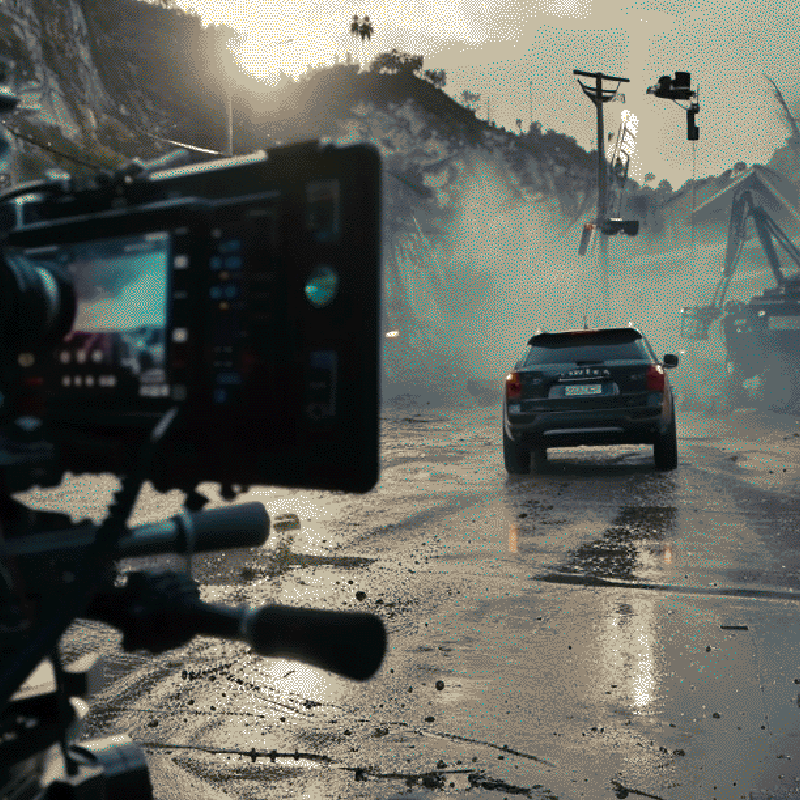
This article explores the capabilities of multi-modal large language models (LLMs) in understanding content across various formats. How to extract scenes from an animated GIF.

Explore how AI is transforming storytelling by offering innovative tools and personalization while emphasizing the irreplaceable role of human creativity, empathy, and cultural context in crafting emotionally rich narratives.

Artificial Intelligence (AI) storytellers are revolutionizing digital content creation. Using machine learning and natural language processing, AI can generate narratives autonomously. While this offers efficiency and personalization, it raises important questions about creativity, emotional depth, and ethical issues in authorship and intellectual property.

Depth in storytelling enhances reader engagement by creating well-developed characters, exploring complex themes, and building immersive worlds. This depth fosters emotional connections, increases immersion, and ensures re-readability.