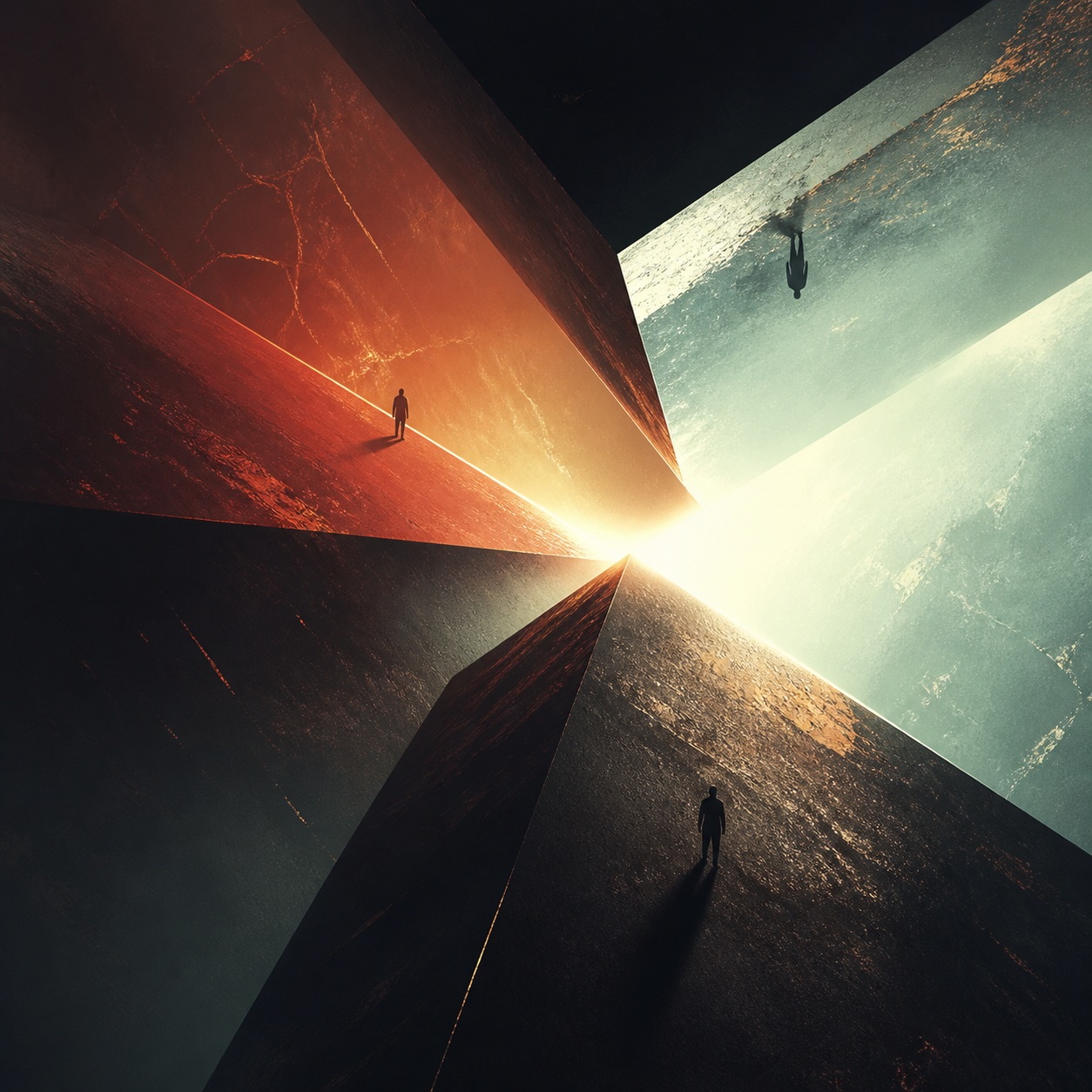
Angles of Power: Showing Dominance and Vulnerability
Camera angles shape perceived power, but their narrative meaning depends on character, action, space, and sequence.
A camera does more than record what happens. It decides where the audience stands, whose experience feels closest, how much of the world can be seen, and what remains outside the frame.
Move the camera below a character and a conversation can become a contest for power. Move it close and a small expression becomes the whole story. Pull back and the same person may appear isolated, overwhelmed, or newly free. None of these meanings belongs to an angle by itself. Meaning emerges from the relationship between perspective, character, action, and context.
This series treats the camera as a narrator: an active voice that guides attention without speaking. It separates five connected decisions—point of view, angle, distance, framing, and prompting—so that each can be used deliberately rather than selected as a decorative cinematic effect.
Begin with the audience’s relationship to the character, then decide what the scene needs to reveal or withhold. The technical camera term comes last. This approach works for filmmakers, illustrators, storyboard artists, and creators directing generative image systems.
For a technical catalogue of individual shot types, see Through the Machine’s Eye: How Camera Angles Shape AI-Generated Stories .
Camera angles shape perceived power, but their narrative meaning depends on character, action, space, and sequence.

A practical method for directing AI-generated scenes by defining the story relationship before choosing camera terminology.

Shot distance determines whether a scene belongs to a detail, a character, a relationship, or the surrounding world.

Point of view determines whose experience guides a scene, what the audience knows, and how closely it identifies with a character.
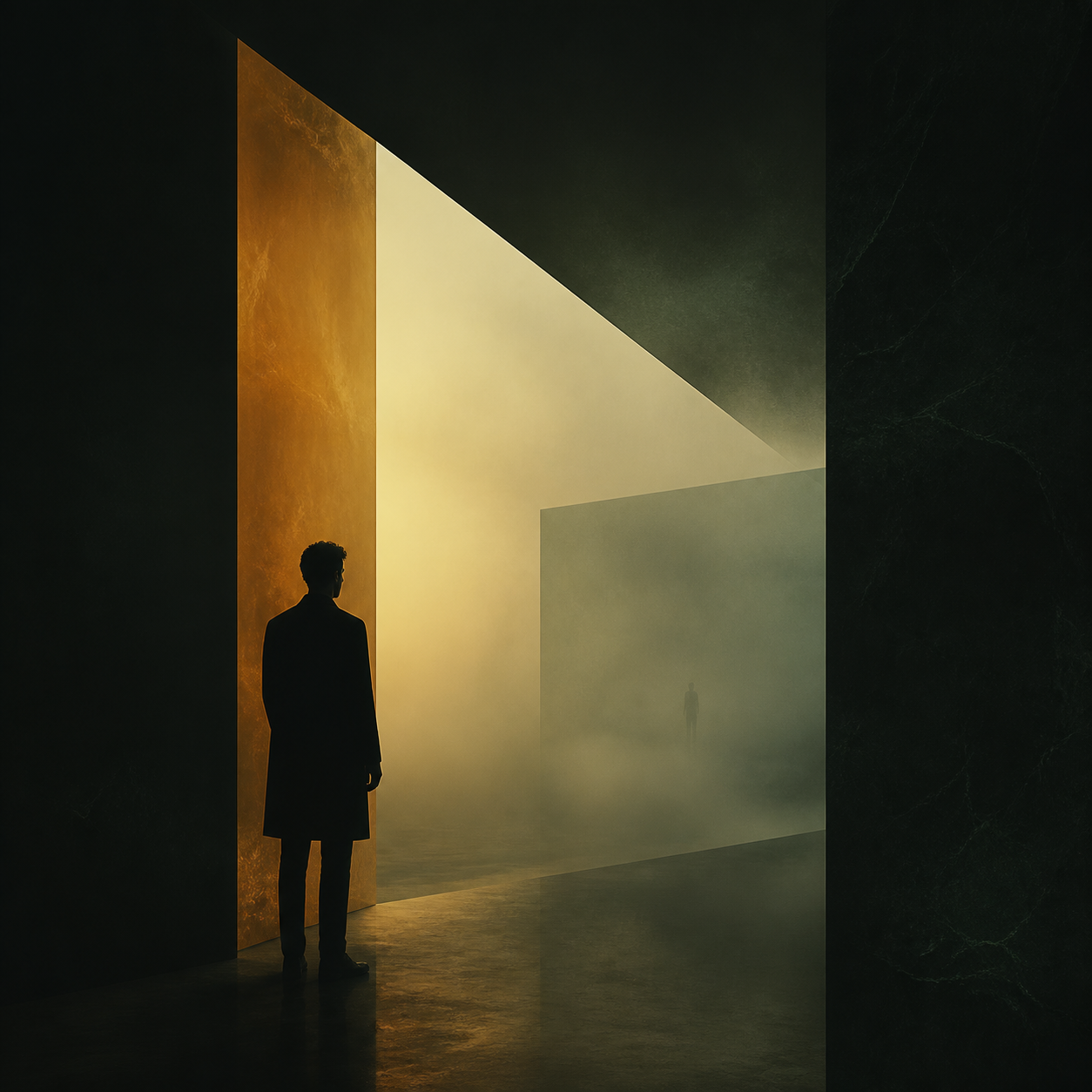
Suspense often begins outside the frame: visual storytelling controls attention by deciding what to show, conceal, and reveal.