
Ideogram 2.0 has emerged as a leading AI image generator, captivating users with its ability to create stunning visuals from text prompts. This review aims to provide a comprehensive analysis of Ideogram 2.0, examining its strengths and weaknesses based on statistical data and expert assessments.
Statistical Analysis: A Data-Driven Perspective
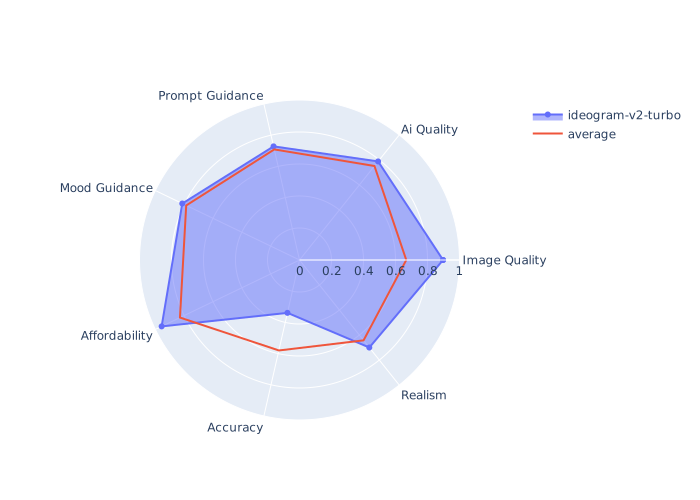
- Image Quality: Ideogram 2.0 boasts above-average image quality, with high sharpness, resolution, and clarity. This translates to visually appealing images that are pleasing to the eye.
- AI Quality: The AI model behind Ideogram 2.0 is also of high quality, exhibiting low entropy and noise. This means the generated images are less likely to contain artifacts or distortions commonly associated with AI-generated images.
- Prompt Guidance: Ideogram 2.0 demonstrates a good ability to maintain the input prompt, generating images that closely align with the user’s textual descriptions.
- Mood Guidance: The AI excels at capturing and conveying the intended emotional tone in its generated images, achieving above-average mood guidance scores.
- Affordability: Ideogram 2.0 stands out for its significantly above-average affordability score, making it a cost-effective option for generating images.
- Accuracy: However, Ideogram 2.0 struggles with accuracy, exhibiting a significantly below-average score. This suggests potential inaccuracies or inconsistencies in representing specific details or concepts.
- Realism: While visually appealing, the images generated by Ideogram 2.0 may not always achieve a level of realism comparable to photographs or other real-world imagery.
Statistical Analysis: Key Takeaways
The statistical data reveals that Ideogram 2.0 excels in image quality, AI quality, prompt guidance, mood guidance, and affordability. However, its accuracy and realism scores are significantly lower, indicating potential limitations in representing specific details and achieving photorealistic results.
Image Examples
A Solitary Figure Contemplates a City of Magic
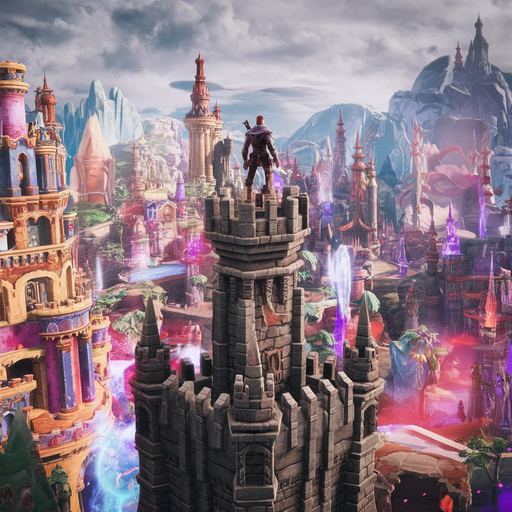
Vibrant Dance in a Colorful City Square

Manhattan Mayhem: Capturing the City’s Bustling Energy
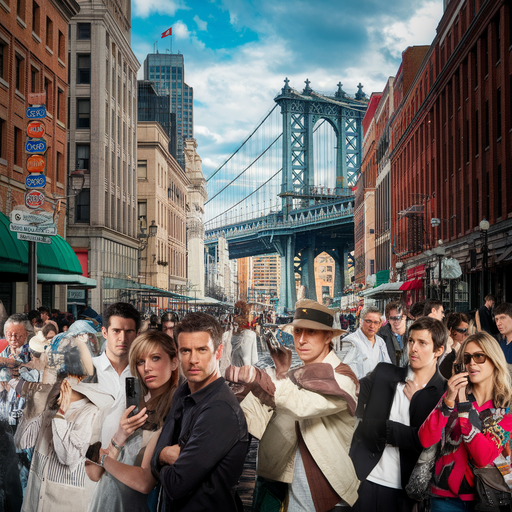
Unveiling Secrets: A Finger Points to the Unknown

Triumphant Knight: A Moment of Glory Captured

Tiny Hero Faces Fiery Peril

A Vibrant Tapestry of Life: Exploring a Bustling Middle Eastern Market

A Passport’s Tale: Lost in Transit

A Sea of Color: Life Bustles in a Crowded Marketplace

Friends, Food, and Laughter: A Moment of Joy at the Market

Expert Assessment: A Deeper Dive
- Strengths:
- Accurate Text Rendering: Ideogram 2.0 significantly improves text rendering, allowing for the creation of premium graphic designs with long and accurate text.
- Customizable Color Palette: Users can now generate images that adhere to specific color palettes, enabling granular control of visual tones.
- Multiple Image Styles: Ideogram 2.0 offers five distinct image styles, catering to different creative needs and preferences.
- Prompt Adherence: The AI excels in prompt adherence, accurately generating images that match the user’s text descriptions.
- Improved Photorealism: Ideogram 2.0 has significantly improved its photorealism capabilities, particularly in generating lifelike human features, textures, and objects.
- Advanced Prompting Features: Ideogram 2.0 includes enhanced Magic Prompt and Describe features, allowing users to generate detailed text prompts based on images and create creative variations of prompts.
- Public Beta API: The Ideogram API allows developers to integrate Ideogram’s capabilities into their own applications.
- Large Image Library: Ideogram has a vast library of over 1 billion publicly viewable images generated by users.
- Free Tier: Ideogram 2.0 offers a free tier that allows users to generate a limited number of images per day.
- Weaknesses:
- Facial Rendering Limitations: While Ideogram 2.0 has improved photorealism, it still struggles with rendering realistic facial features, especially for older faces.
- Limited Editing Capabilities: Users cannot directly edit individual elements within the generated image, requiring external tools for further customization.
Expert Assessment: Key Takeaways
Expert assessments highlight Ideogram 2.0’s remarkable advancements in text rendering, color customization, image styles, prompt adherence, photorealism, and prompting features. However, limitations in facial rendering and editing capabilities remain areas for improvement.
Conclusion
Ideogram 2.0 is a powerful AI image generator with impressive strengths in image quality, prompt adherence, and affordability. Its ability to create stunning visuals from text prompts makes it a valuable tool for designers, artists, and anyone seeking to generate high-quality images. However, its limitations in accuracy and realism, particularly in facial rendering, should be considered. Despite these weaknesses, Ideogram 2.0 represents a significant step forward in AI-powered design, offering a glimpse into the future of creative workflows.