In the realm of AI image generation, accuracy is paramount. It reflects how closely the generated images align with the intended prompt and desired aesthetic. This blog delves into the bottom ten performers based on accuracy, analyzing their strengths and weaknesses to understand the factors influencing their performance. By examining these models, we gain valuable insights into the challenges and opportunities in AI image generation.
Unveiling the Bottom Ten: A Closer Look
- Letz-AI-v3 struggles with accuracy, particularly in capturing the intended mood and realism. Its image quality is relatively high, but the generated images often deviate from the prompt’s specifications.
- Ideogram-v2 exhibits similar challenges, with a lower image quality and a tendency to produce images that lack realism. Its accuracy is further hampered by inconsistencies in capturing the desired mood and prompt guidance.
- Imagen-v3 demonstrates a moderate level of accuracy, but its images often lack realism and struggle to convey the intended mood. The model’s prompt guidance is relatively strong, but its overall performance is hindered by its limitations in capturing the desired aesthetic.
- Scenario shows a mixed performance, with some images exhibiting higher accuracy than others. The model’s strengths lie in its ability to capture the intended mood and prompt guidance, but its accuracy is often compromised by inconsistencies in image quality and realism.
- Flux-Schnell exhibits a lower level of accuracy, with its images often lacking realism and struggling to capture the intended mood. The model’s prompt guidance is relatively weak, contributing to its overall performance limitations.
- Imagen-v3-Fast demonstrates a moderate level of accuracy, but its images often lack realism and struggle to convey the intended mood. The model’s prompt guidance is relatively strong, but its overall performance is hindered by its limitations in capturing the desired aesthetic.
- Stable Diffusion shows a mixed performance, with some images exhibiting higher accuracy than others. The model’s strengths lie in its ability to capture the intended mood and prompt guidance, but its accuracy is often compromised by inconsistencies in image quality and realism.
Image Examples
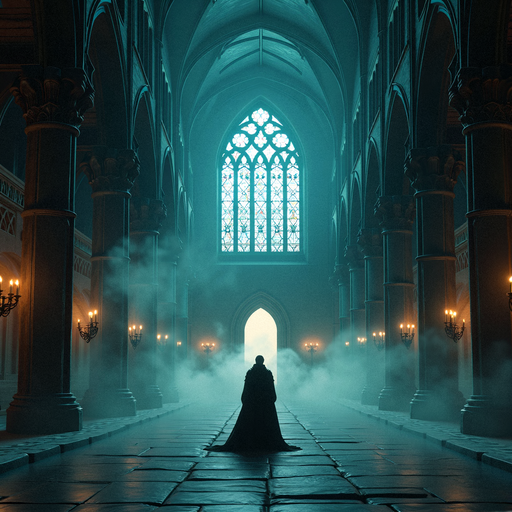
Lost in the Shadows: A Solitary Figure in a Gothic Cathedral
Accuracy : 0.00
camera-positions Extreme Long Shot: Dark, mysterious ; A player’s avatar, a powerful mage, casting a spell in a dark, gothic cathedral; Extreme Long Shot; Gaming; A grand, gothic cathedral with intricate details and stained glass windows; cinematic
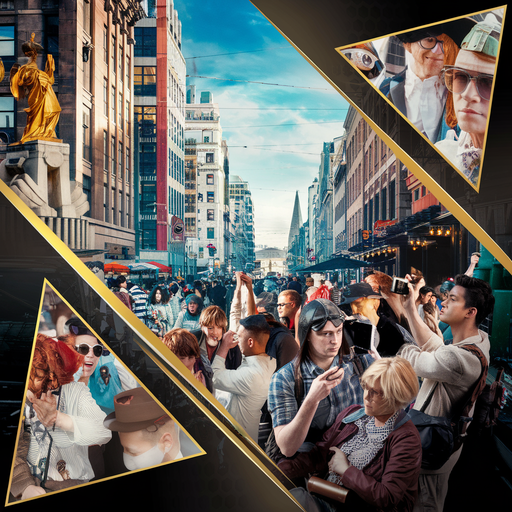
Collage Chaos: A Disjointed Cityscape
Accuracy : 0.00
camera-positions Canted angle: Energetic, chaotic, exciting ; A bustling city street, with tourists snapping photos of iconic landmarks; Long shot; Tourism; A vibrant cityscape; cinematic
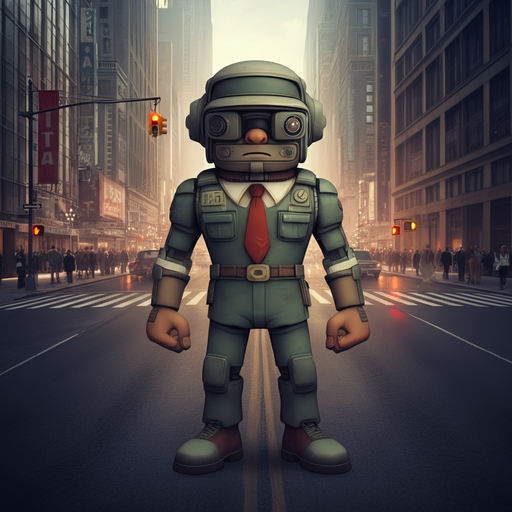
The Last Sentinel: A Robot Stands Guard in a Dystopian City
Accuracy : 0.00
style-aesthetic Postmodern: Surreal, humorous ; A vintage video game character, rendered in a hyper-realistic style, standing in a real-world environment; medium shot; Gaming; A bustling city street with people and traffic; cinematic
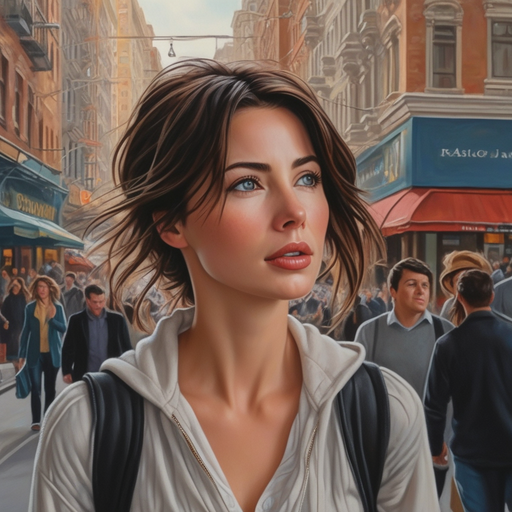
Lost in Thought: A Moment of Contemplation on a Busy Street
Accuracy : 0.00
facial-expressions Confusion: Lost, alienated ; A woman walking down a crowded street; eye-level; Single Person; a bustling city street with people rushing past; cinematic
Sunset Serenity: A Moment of Tranquility
Accuracy : 0.00
Eye Level: The vastness of the landscape emphasizes the feeling of freedom and wonder. ; Awe-inspiring, adventurous, liberating ; A young woman, close side-shot. The sun is setting, landscape in the background.; cinematic

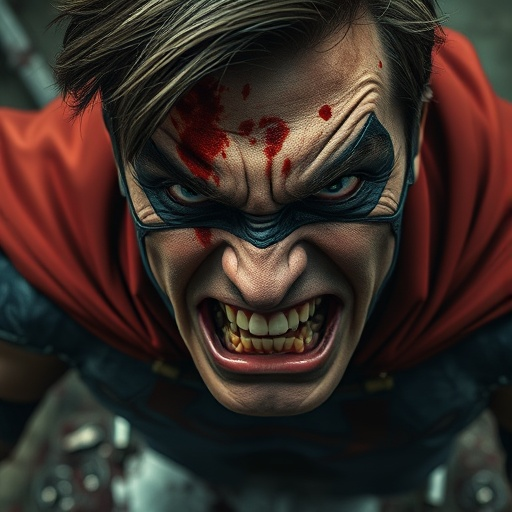
Blood and Fury: A Close-Up of a Masked Man’s Rage
Accuracy : 0.01
facial-expressions Disgust: Horror and disgust ; A superhero, their face contorted in revulsion, as they witness a horrific crime; eye-level; Hero; a chaotic crime scene with blood and debris; cinematic
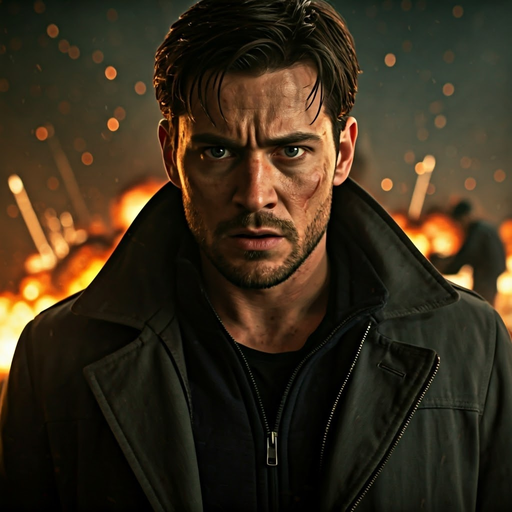
Man Faces the Inferno
Accuracy : 0.08
facial-expressions Interest: Intense, focused ; A hero facing off against a villain; medium shot; Hero; dramatic, action-packed scene with explosions and smoke; cinematic
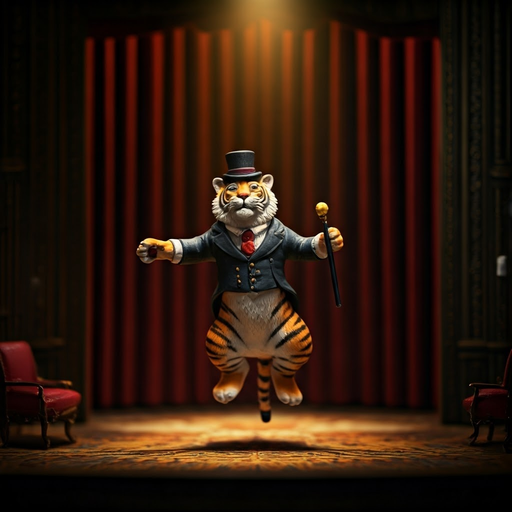
A Tiger Takes the Stage: Whimsical Miniature Theatre
Accuracy : 0.13
tiny-characters Tiger: energetic, dynamic ; pose: leaping into the air; medium-shot; a Tiger in a top hat and cane, leaping high above the miniature stage; cinematic
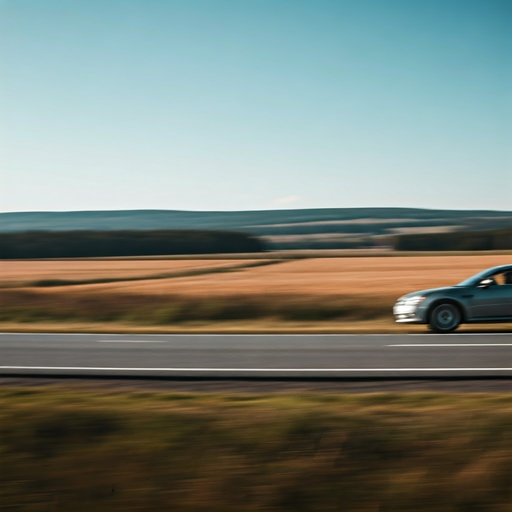
Tranquil Highway Drive
Accuracy : 0.13
style-aesthetic Naturalistic: Serene, contemplative ; A lone car winds along a sun-drenched highway, rolling hills and fields blurring past.; cinematic
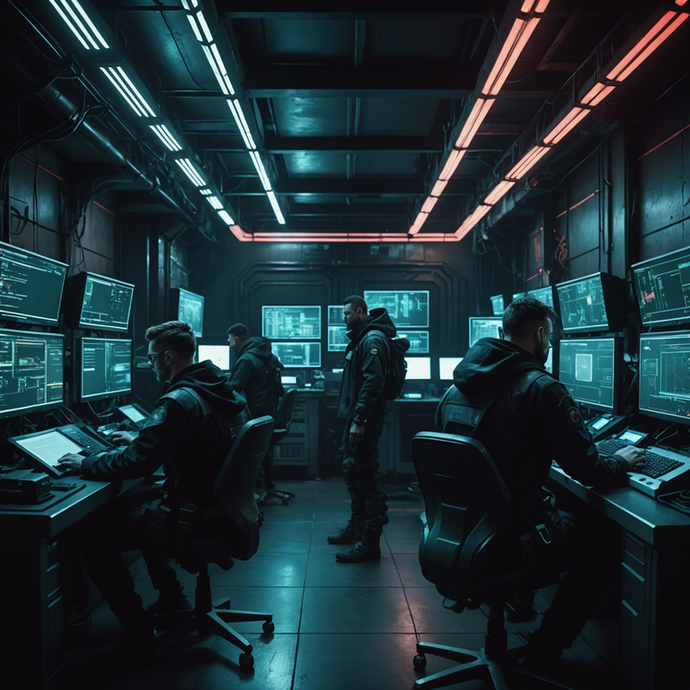
Cyberpunk Control Room: Where Technology Meets Tension
Accuracy : 0.13
Cyberpunk: intense, thrilling ; A group of rebels hacking into a massive data server; medium shot; Adventure; dark, gritty underground facility with flickering monitors and flashing lights; cinematic
Understanding the Factors at Play
The analysis reveals that accuracy in AI image generation is influenced by a complex interplay of factors, including image quality, realism, mood guidance, and prompt guidance. While some models excel in specific areas, others struggle to achieve a consistent level of accuracy across all dimensions. This highlights the ongoing challenges in developing AI models that can reliably generate images that meet the diverse needs of users.
Conclusion: The Path Forward
The bottom ten performers provide valuable insights into the current state of AI image generation. While significant progress has been made, there is still room for improvement in terms of accuracy, realism, and consistency. Future research and development should focus on addressing these challenges to create AI models that can generate high-quality, accurate images that meet the diverse needs of users. By understanding the factors influencing accuracy and exploring innovative solutions, we can continue to push the boundaries of AI image generation and unlock its full potential.