Uni Matrix Zero Uni Matrix Zero
Topics Blog Collection About Contact
OS

Topic

Split Screen

Pages using the taxonomy term “Split Screen”.

Exploring Dramatic Styles in Visual Storytelling with Imagen-v3

image from /images/topics/dramatic-styles/imagen-v3/imagen-v3-dramatic-styles-split-screen-a.png
This blog post delves into the world of dramatic styles in visual storytelling. We'll explore how different camera positions, shot types, and aesthetics contribute to creating captivating scenes that evoke emotions and draw viewers in. From the thrill of adventure to the beauty of nature, we'll analyze examples and discuss how to apply these techniques to your own creative projects.

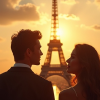
Exploring the Dramatic Style: How AI Captures Emotion and Aesthetics with Imagen-v3-fast

image from /images/topics/dramatic-styles/imagen-v3-fast/imagen-v3-fast-dramatic-styles-split-screen-a.png
This blog post delves into the capabilities of an AI model in generating images with a dramatic style. We analyze its performance across various scenes, highlighting its strengths in capturing the essence of the scene and its aesthetic appeal. However, we also identify areas for improvement, particularly in accurately replicating the intended camera position. Join us as we explore the exciting potential of AI in creating visually compelling narratives.

Exploring the Dramatic Style in Visual Storytelling with Flux-dev

image from /images/topics/dramatic-styles/flux-dev/flux-dev-dramatic-styles-split-screen-q.png
This blog post delves into the dramatic style, exploring its key elements and how it's used to create captivating visuals. We'll analyze examples from various scenes, showcasing the power of dramatic composition, lighting, and camera angles to evoke emotions and tell compelling stories.

Dramatic Styles: Exploring the Power of Visual Storytelling with Flux-schnell

image from /images/topics/dramatic-styles/flux-schnell/flux-schnell-dramatic-styles-split-screen-a.png
This blog post delves into the world of dramatic styles, exploring how different camera angles, shot compositions, and aesthetics contribute to powerful storytelling. We'll analyze examples from adventure, heroism, gaming, family, tourism, and more, showcasing the impact of visual choices on the viewer's experience.

Dramatic Styles: Exploring the Power of Visual Storytelling with Titan-g1

image from /images/topics/dramatic-styles/titan-g1/titan-g1-dramatic-styles-split-screen-a.png
This blog post explores the concept of dramatic styles in visual storytelling. We'll analyze how different camera positions, shot types, and aesthetics contribute to the overall impact of a scene. From the thrill of adventure to the intimacy of family moments, we'll delve into the techniques that make these stories come alive.

Split Screen: A Powerful Tool for Storytelling with Flux-pro

image from /images/topics/dramatic-styles/stable-diffusion/stable-diffusion-dramatic-styles-split-screen-a.png
Split screen is a cinematic technique that divides the screen into multiple frames, allowing for the simultaneous display of different scenes or perspectives. This technique can be used to create a sense of tension, contrast, or urgency, and can be particularly effective in action, thriller, and drama genres. This blog post will explore the history and evolution of split screen, its various applications, and its impact on storytelling.

Split Screen: A Powerful Tool for Storytelling with Stability-ai-ultra

image from /images/topics/dramatic-styles/stable-diffusion/stable-diffusion-dramatic-styles-split-screen-a.png
Split screen is a cinematic technique that divides the screen into multiple frames, allowing for the simultaneous display of different scenes or perspectives. This technique can be used to create a sense of tension, contrast, or urgency, and can be particularly effective in action, thriller, and drama genres. This blog post will explore the history and evolution of split screen, its various applications, and its impact on storytelling.

Analyzing AI's Dramatic Style: A Deep Dive into Camera Shots and Aesthetics with Imagen-v2

image from /images/topics/dramatic-styles/imagen-v2/imagen-v2-dramatic-styles-split-screen-a.png
This analysis delves into the capabilities of AI in generating dramatic scenes, examining its performance in understanding camera positions, shot types, and overall aesthetics. We explore the strengths and weaknesses of AI in capturing the essence of dramatic storytelling through visual prompts.

Split Screen: A Cinematic Technique for Enhanced Storytelling with Dall-e-3

image from /images/topics/dramatic-styles/dall-e-3/dall-e-3-dramatic-styles-split-screen-a.png
Split screen, a cinematic technique that divides the screen into multiple frames, offers a powerful way to enhance storytelling. This article delves into the dramatic impact of split screen, exploring its use in revealing parallel narratives, creating tension, and enhancing visual storytelling. We'll examine examples from various genres, showcasing how split screen can elevate the viewer's experience.

Split Screen: A Cinematic Technique That Packs a Punch with Leonardo-ai

image from /images/topics/dramatic-styles/leonardo-ai/leonardo-ai-dramatic-styles-split-screen-a.png
Split screen, a cinematic technique that divides the screen into multiple frames, is a powerful tool for storytelling. It allows filmmakers to showcase parallel narratives, reveal hidden connections, and create a sense of tension and urgency. This blog post explores the history, uses, and impact of split screen in film and television.

Split Screen: A Cinematic Technique That Packs a Punch with Midjourney

image from /images/topics/dramatic-styles/midjourney/midjourney-dramatic-styles-split-screen-a.png
Split screen, a cinematic technique that divides the screen into multiple frames, is a powerful tool for storytelling. It allows filmmakers to show multiple perspectives, create tension, and enhance the emotional impact of a scene. This blog post explores the history, techniques, and effectiveness of split screen in film.

Split Screen: A Cinematic Technique That Packs a Punch with Scenario

image from /images/topics/dramatic-styles/scenario/scenario-dramatic-styles-split-screen-a.png
Split screen, a cinematic technique that divides the screen into multiple frames, is a powerful tool for storytelling. It allows filmmakers to show multiple perspectives, create tension, and enhance the emotional impact of a scene. This blog post explores the history, techniques, and effectiveness of split screen in film.

Split Screen: A Powerful Tool for Storytelling with Freepik

image from /images/topics/dramatic-styles/freepik/freepik-dramatic-styles-split-screen-a.png
Split screen is a cinematic technique that divides the screen into multiple frames, allowing for parallel narratives, contrasting scenes, or a heightened sense of urgency. This article explores the history, uses, and impact of split screen in storytelling.

Split Screen: A Powerful Tool for Storytelling with Stable-diffusion

image from /images/topics/dramatic-styles/stable-diffusion/stable-diffusion-dramatic-styles-split-screen-a.png
Split screen is a cinematic technique that divides the screen into multiple frames, allowing for the simultaneous display of different scenes or perspectives. This technique can be used to create a sense of tension, contrast, or urgency, and can be particularly effective in action, thriller, and drama genres. This blog post will explore the history and evolution of split screen, its various applications, and its impact on storytelling.
© Stephan Froede 2026
About Privacy Cookies Terms Imprint
OS