Topic
Latent Space
Pages using the taxonomy term “Latent Space”.
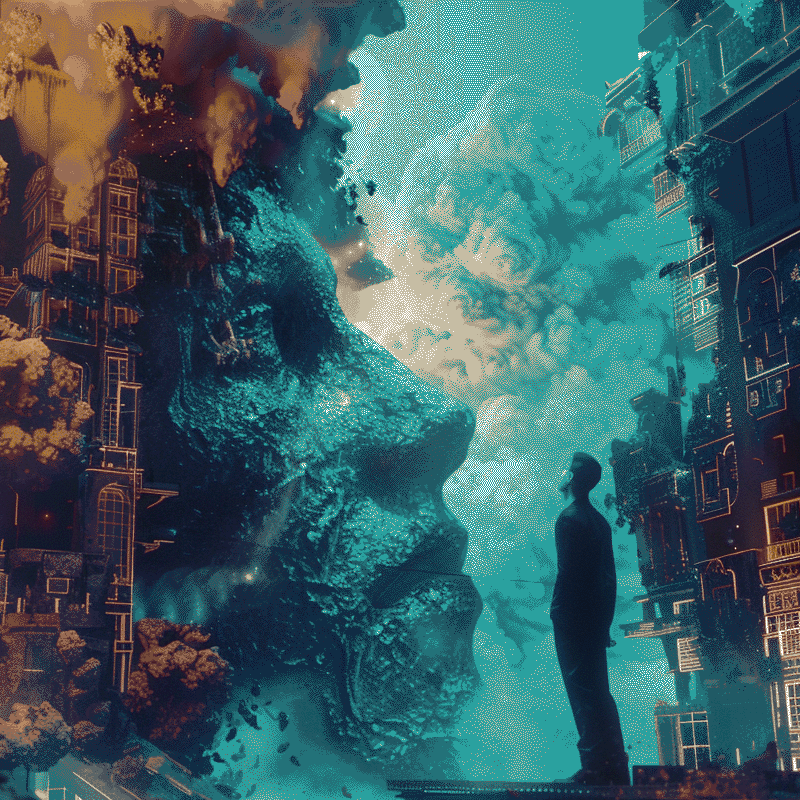
Prompt Engineering with Midjourney v5 and Stable Diffusion
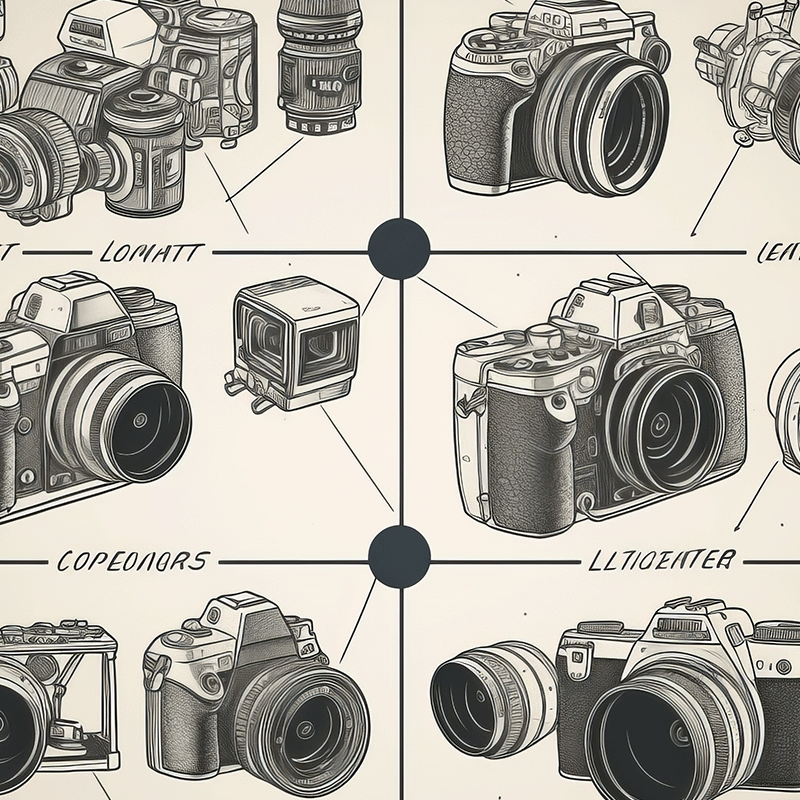
Explore the world of prompt engineering with AI models Midjourney v5 and Stable Diffusion SDXL Beta, generating captivating visual content with diverse camera positions and styles. Use Midjourney templates or ChatGPT to brainstorm prompt ideas, refine them and iterate over results efficiently. Employing images as input for prompt engineering offers a unique approach to creating visual narratives, enhancing the storytelling process with the help of Midjourney's Describe feature or MM-ReAct.
Vast Worlds of Latent Space: An Art Installation Perspective
Accessing Latent Space is like entering a universe of limitless invention, where AI can create anything. It is an interactive voyage that uncovers the immensity of this space, highlighting the importance of human creativity in perfecting its outputs. Despite its vastness, there are still gaps and restrictions, reminding us of the need for human input in the creative process.
CLIP Score Explained: Formula, Python and Limitations
CLIP Score measures similarity between AI-generated image and text caption, useful for computer vision and language tasks. CLIP allows models to understand visual-textual relationships and perform image captioning and retrieval. To compute CLIP score, use pre-trained CLIP model to produce embeddings and calculate cosine similarity.
Camera Angles for AI Prompts: A Visual Prompt Library
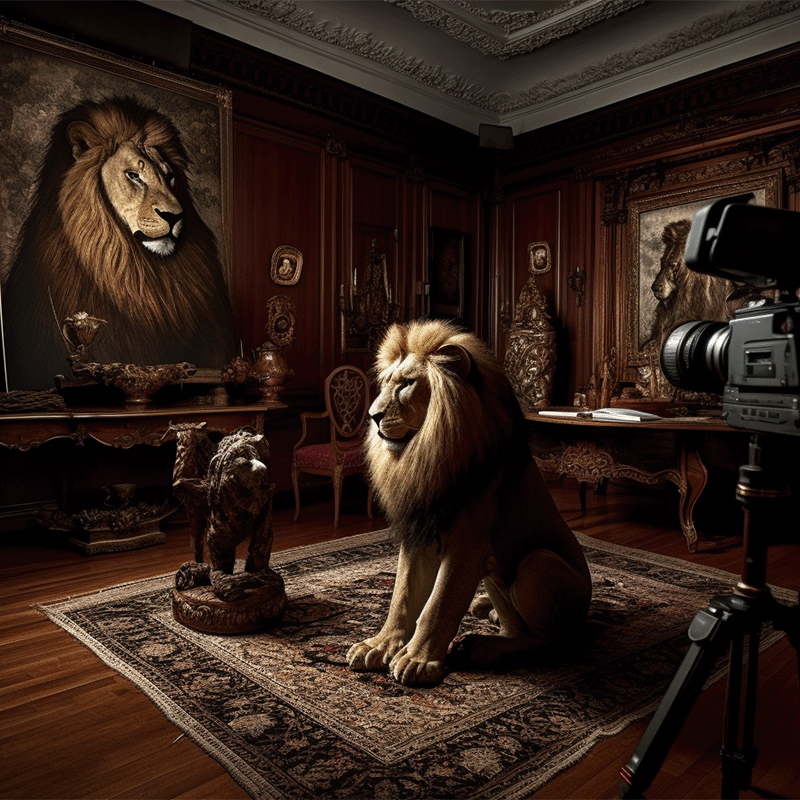
In AI-generated art and storytelling, camera positions can enhance the emotional resonance of your creation. Experimenting with various camera angles can effectively express emotions and support your narrative. This guide explores different camera positions in cinematography, their effects on storytelling and how to adapt them for AI Art and Generative AI platforms.
Estimating the size of Stable Diffusion's latent space
Estimating the potential outputs of stable diffusion is crucial in understanding its generative capabilities. The size of its latent space determines its capacity for information storage, system complexity, and the probability of copyright collisions. It is challenging to calculate the size of latent space, but having a clear goal in mind when using stable diffusion is essential.
AI Art and the NFT Art Market?
The rise of AI-generated art and NFTs could create a more diverse and accessible art market. However, there are concerns about oversupply and the impact on prices. Despite this, the open nature of AI art and NFTs could reinforce each other and democratize art investment.