Uni Matrix Zero Uni Matrix Zero
Topics Blog Collection About Contact
OS

Topic

Camera Positions: Enhancing Visual Storytelling

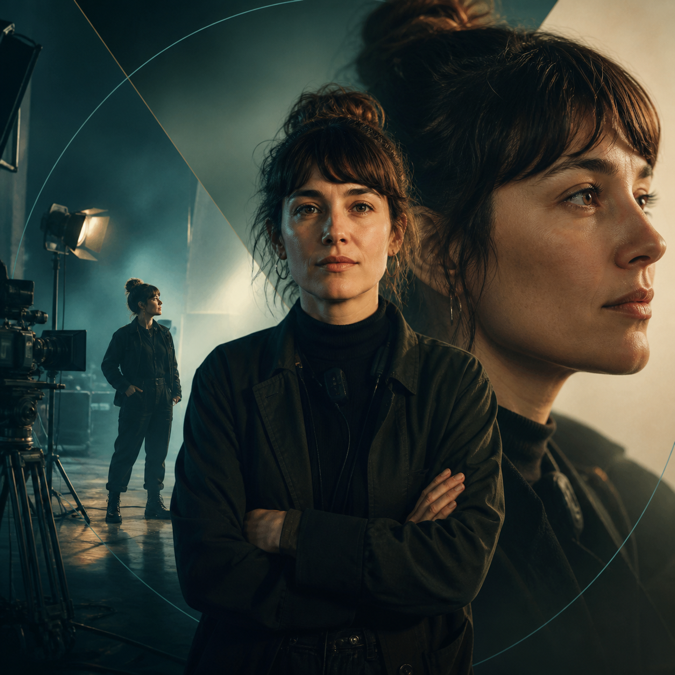
Camera positions play a crucial role in visual storytelling, whether in filmmaking, photography, or AI-generated imagery. Each camera position, from extreme long shots to close-ups, offers unique perspectives that can evoke emotions, create a sense of scale, and immerse viewers in the narrative. This collection of blog posts explores the art of camera positions, analyzing how both traditional techniques and AI models capture and enhance visual stories. Join us as we delve into the power of camera positions and their impact on various forms of visual media.
AI Image Generation: Camera Positions and Scene Composition with Ideogram-v2-turbo

image from /images/topics/camera-positions/ideogram-v2-turbo/ideogram-v2-turbo-camera-positions-two-shot-a.png
This blog post delves into the performance of AI models in generating images based on camera positions and scene descriptions. We analyze the results of a test using various prompts and discuss the model's strengths and weaknesses in capturing the desired aesthetics and composition.

AI Image Generation: A Look at Camera Position and Aesthetics with Letz-ai-v3

image from /images/topics/camera-positions/letz-ai-v3/letz-ai-v3-camera-positions-birds-eye-view-a.png
This article delves into the performance of AI image generation models in translating descriptive prompts into visually compelling images. We analyze the model's ability to accurately capture camera positions, shot types, and aesthetic elements, highlighting its strengths and areas for improvement.

AI Image Generation: A Look at Camera Position and Shot Analysis with Ideogram-v2

image from /images/topics/camera-positions/ideogram-v2/ideogram-v2-camera-positions-worms-eye-view-a.png
This blog post delves into the capabilities of AI image generation, specifically focusing on its ability to translate camera positions and shot descriptions into visually compelling images. We analyze the performance of a generative AI model, highlighting its strengths in aesthetic style and its areas for improvement in accurately interpreting camera angles and scene descriptions.

AI Image Generation: A Study in Aesthetics and Camera Positioning with Letz-ai-v3

image from /images/topics/camera-positions/letz-ai-v3/letz-ai-v3-camera-positions-two-shot-a.png
This analysis explores the performance of a generative AI model in creating images based on detailed prompts. While the model demonstrates strong aesthetic understanding, it falls short in accurately capturing camera positions and shot types. This highlights the ongoing challenges in achieving nuanced control over image generation.

AI's Artistic Struggle: Capturing Emotion Through Camera Positions with Ideogram-v2

image from /images/topics/camera-positions/ideogram-v2/ideogram-v2-camera-positions-eye-level-a.png
This blog post explores the results of an experiment where an AI model was tasked with generating images based on detailed scene descriptions and camera positions. While the model demonstrates a grasp of shot composition, it struggles to achieve the desired emotional impact and aesthetic quality. We delve into the model's performance, analyzing its strengths and weaknesses, and discuss the challenges of teaching AI to understand and replicate artistic vision.

AI's Artistic Struggle: Capturing the Essence of Camera Positions with Ideogram-v2

image from /images/topics/camera-positions/ideogram-v2/ideogram-v2-camera-positions-dutch-angle-a.png
This blog post explores the results of an experiment where an AI model was tasked with generating images based on specific camera positions and shot compositions. While the model showed some success in understanding the technical aspects, it fell short in capturing the desired aesthetic, highlighting the ongoing challenges of AI in visual storytelling.

AI's Camera Eye: A Look at Generative AI's Strengths and Weaknesses in Visual Storytelling with Ideogram-v2

image from /images/topics/camera-positions/ideogram-v2/ideogram-v2-camera-positions-steadicam-shot-a.png
This analysis dives into the capabilities of generative AI in creating visual scenes. While it demonstrates proficiency in understanding camera positions and shot types, it falls short in capturing the desired aesthetic. We explore the reasons behind this discrepancy and discuss the potential for future improvements.

AI's Camera Position Prowess: A Deep Dive into Over-the-Shoulder Shots with Ideogram-v2

image from /images/topics/camera-positions/ideogram-v2/ideogram-v2-camera-positions-over-the-shoulder-a.png
This analysis delves into the capabilities of generative AI in creating images with specific camera positions, focusing on the popular 'over-the-shoulder' shot. While the AI demonstrates strong understanding of camera angles and scene composition, it falls short in capturing the desired aesthetic. Discover the strengths and weaknesses of AI in visual storytelling.

AI's Camera Position Skills: A Deep Dive into Generative Model Performance with Letz-ai-v3

image from /images/topics/camera-positions/letz-ai-v3/letz-ai-v3-camera-positions-mid-shot-or-medium-shot-a.png
This blog post explores the capabilities of a generative AI model in interpreting camera positions, shot types, and aesthetics. We analyze its performance on a set of image prompts, revealing strengths and weaknesses in its ability to translate textual descriptions into visual representations.

AI's Camera Skills: A Deep Dive into Dramatic Shots with Letz-ai-v3

image from /images/topics/camera-positions/letz-ai-v3/letz-ai-v3-camera-positions-eye-level-a.png
This blog post analyzes the performance of a generative AI model in understanding and translating camera positions into images. We delve into the model's strengths in capturing aesthetic style and its challenges in accurately interpreting camera angles and shot composition. Join us as we explore the potential and limitations of AI in creating visually compelling narratives.

AI's Camera Skills: A Deep Dive into Shot Composition and Aesthetics with Ideogram-v2-turbo

image from /images/topics/camera-positions/ideogram-v2-turbo/ideogram-v2-turbo-camera-positions-dutch-angle-a.png
This blog post delves into the capabilities of AI models in understanding and implementing camera positions and shot composition. We analyze the results of a test using various scene descriptions and assess the model's performance in achieving the desired aesthetic. Join us as we explore the exciting potential of AI in visual storytelling.

AI's Camera Skills: A Deep Dive into Shot Composition and Aesthetics with Letz-ai-v3

image from /images/topics/camera-positions/letz-ai-v3/letz-ai-v3-camera-positions-steadicam-shot-a.png
This blog post delves into the capabilities of AI models in understanding and executing camera positions and shot composition. We analyze the results of a test using various scene descriptions and assess the model's performance in capturing the intended camera angles, shot types, and overall aesthetic. Join us as we explore the exciting potential of AI in visual storytelling.

AI's Camera Skills: A Long Way to Go with Ideogram-v2

image from /images/topics/camera-positions/ideogram-v2/ideogram-v2-camera-positions-worms-eye-view-a.png
This blog post explores the results of an experiment where an AI model was tasked with creating images based on camera positions and shot types. While the model showed promise in understanding these concepts, it struggled to achieve the desired aesthetic. This highlights the ongoing challenges in training AI models to understand and translate artistic vision into visual outputs.

AI's Camera Skills: A Long Way to Go with Ideogram-v2

image from /images/topics/camera-positions/ideogram-v2/ideogram-v2-camera-positions-long-shot-a.png
This blog post explores the results of an experiment where an AI model was tasked with creating images based on camera positions and shot types. While the model showed promise in understanding these concepts, it struggled to achieve the desired aesthetic. This highlights the ongoing challenges in training AI models to understand and translate artistic vision into visual outputs.

AI's Camera Skills: A Look at Generative Models and Cinematic Shots with Ideogram-v2-turbo

image from /images/topics/camera-positions/ideogram-v2-turbo/ideogram-v2-turbo-camera-positions-over-the-shoulder-a.png
This article explores the capabilities of generative AI in creating cinematic shots, analyzing its performance in camera positioning, shot analysis, and aesthetic interpretation. We delve into the strengths and weaknesses of AI in capturing the essence of a scene, highlighting its potential and limitations in filmmaking.

AI's Camera Skills: A Mixed Bag - Can AI Capture the Perfect Shot? with Letz-ai-v3

image from /images/topics/camera-positions/letz-ai-v3/letz-ai-v3-camera-positions-canted-angle-a.png
This blog post explores the results of a generative AI model tasked with creating images based on scene descriptions and camera positions. The model showed impressive aesthetic understanding but struggled with accurately implementing camera angles and shot types. We delve into the reasons behind this discrepancy and discuss the potential for future improvements.

AI's Camera Skills: A Mixed Bag of Shots and Aesthetics with Ideogram-v2-turbo

image from /images/topics/camera-positions/ideogram-v2-turbo/ideogram-v2-turbo-camera-positions-steadicam-shot-a.png
This blog post explores the capabilities of a generative AI model in creating cinematic scenes. While the model demonstrates a strong grasp of shot composition, it falls short in accurately implementing camera positions. We delve into the analysis of the model's performance, highlighting its strengths and weaknesses, and discuss the implications for the future of AI-generated visuals.

AI's Camera Skills: A Work in Progress with Ideogram-v2

image from /images/topics/camera-positions/ideogram-v2/ideogram-v2-camera-positions-two-shot-a.png
This blog post explores the results of an experiment testing an AI model's ability to understand and implement camera positions and scene composition. While the model shows some strengths in understanding the desired aesthetic, it struggles with accurately implementing camera positions and scene composition. We delve into the specific scores and analyze the model's performance, highlighting areas for future development.

AI's Camera Skills: Mastering the Shot with Ideogram-v2-turbo

image from /images/topics/camera-positions/ideogram-v2-turbo/ideogram-v2-turbo-camera-positions-worms-eye-view-a.png
This blog post delves into the fascinating world of AI-generated images, specifically focusing on how these models handle camera positions. We analyze the results of a recent study, highlighting the strengths and weaknesses of AI in capturing the desired perspective and shot type. Join us as we explore the potential of AI in creating visually compelling and technically accurate images.

AI's Cinematic Vision: A Mixed Bag of Camera Positions and Aesthetics with Letz-ai-v3

image from /images/topics/camera-positions/letz-ai-v3/letz-ai-v3-camera-positions-tracking-shot-a.png
This blog post explores the results of an experiment using a generative AI model to create images based on specific camera positions and shot types. While the model demonstrates a good understanding of technical aspects, it falls short in achieving the desired aesthetic. We delve into the analysis, highlighting the model's strengths and weaknesses, and discuss the implications for the future of AI-generated imagery.

AI's Dolly Shot: A Glimpse into Cinematic Storytelling with Letz-ai-v3

image from /images/topics/camera-positions/letz-ai-v3/letz-ai-v3-camera-positions-dolly-shot-a.png
This blog post delves into the capabilities of AI in generating images with dolly shots, showcasing its ability to capture the essence of various scenes and emotions. We analyze the model's performance in understanding camera positions, shot composition, and achieving the desired aesthetic, highlighting its strengths and areas for improvement.

AI's Dolly Shot: A Step Closer to Cinematic Storytelling with Ideogram-v2-turbo

image from /images/topics/camera-positions/ideogram-v2-turbo/ideogram-v2-turbo-camera-positions-dolly-shot-a.png
This blog post explores the results of an experiment using generative AI to create dolly shots for various scenes. The AI demonstrates a good understanding of camera positions and shot composition, but needs improvement in achieving the desired aesthetic. We'll delve into the specific strengths and weaknesses of the AI's performance, analyzing its ability to capture the intended camera positions, shot analysis, and aesthetic appeal.

AI's Eye for Beauty: How Well Do Generative Models Understand Camera Positions? with Letz-ai-v3

image from /images/topics/camera-positions/letz-ai-v3/letz-ai-v3-camera-positions-worms-eye-view-a.png
This article delves into the performance of generative AI models in interpreting camera positions and shot descriptions. We analyze the results of a test using various scene prompts and discuss the model's strengths and weaknesses in capturing cinematic aesthetics.

AI's Eye for Composition: A Look at Camera Positions in Generated Images with Ideogram-v2

image from /images/topics/camera-positions/ideogram-v2/ideogram-v2-camera-positions-canted-angle-a.png
This article delves into the capabilities of AI in understanding camera positions and scene composition when generating images. We analyze the results of a test using various prompts, highlighting the model's strengths and weaknesses, particularly in achieving the desired aesthetic.

AI's Eye for Detail: A Deep Dive into Camera Positions in Generated Images with Ideogram-v2-turbo

image from /images/topics/camera-positions/ideogram-v2-turbo/ideogram-v2-turbo-camera-positions-long-shot-a.png
This blog post delves into the fascinating world of AI-generated images, specifically focusing on how these models handle camera positions. We analyze the results of a recent study, highlighting the strengths and weaknesses of AI in capturing the desired perspective and shot type. Join us as we explore the potential of AI in creating visually compelling and technically accurate images.

AI's Eye for Detail: A Look at Camera Positions and Scene Analysis with Ideogram-v2

image from /images/topics/camera-positions/ideogram-v2/ideogram-v2-camera-positions-extreme-close-up-a.png
This blog post delves into the capabilities of AI models in understanding and replicating camera positions and scene composition. We analyze the results of a recent experiment, highlighting the model's strengths in capturing the essence of a scene while also identifying areas where it needs further development, particularly in aesthetic analysis.

AI's Eye for Drama: A Look at Camera Positions in Generated Images with Ideogram-v2-turbo

image from /images/topics/camera-positions/ideogram-v2-turbo/ideogram-v2-turbo-camera-positions-low-angle-a.png
This article delves into the capabilities of AI models in generating images with specific camera positions, analyzing their performance in capturing dramatic low-angle shots. We explore the strengths and weaknesses of these models, highlighting their ability to understand scene composition while acknowledging limitations in achieving desired aesthetics.

AI's Eye for Drama: Analyzing Camera Positions in Generated Images with Ideogram-v2

image from /images/topics/camera-positions/ideogram-v2/ideogram-v2-camera-positions-low-angle-a.png
This blog post explores the results of an experiment analyzing a generative AI model's ability to understand and implement camera positions in generated images. The model demonstrates a good understanding of camera positions and shot composition, but needs improvement in capturing the desired aesthetic. We delve into the specific scores for camera position, shot analysis, and aesthetic analysis, providing insights into the model's strengths and weaknesses. We also discuss the implications of these findings for the future of AI-generated imagery.

AI's Eye for Drama: Camera Positions in Image Generation with Letz-ai-v3

image from /images/topics/camera-positions/letz-ai-v3/letz-ai-v3-camera-positions-worms-eye-view-a.png
This blog series explores the exciting advancements in AI image generation, specifically focusing on its ability to understand and implement camera positions. We'll analyze how AI models are learning to capture the essence of a scene through long shots, framing, and aesthetic choices, creating visually compelling images that evoke emotion and tell stories.

AI's Eye for Drama: Exploring Camera Positions in Storytelling with Ideogram-v2-turbo

image from /images/topics/camera-positions/ideogram-v2-turbo/ideogram-v2-turbo-camera-positions-eye-level-a.png
This blog post explores the results of an AI model's analysis of camera positions in storytelling. The model demonstrates a strong understanding of scene composition and aesthetic appeal, but struggles with accurately capturing intended camera positions. We delve into the model's strengths and weaknesses, highlighting the potential of AI in creative storytelling.

AI's Eye for Storytelling: A Look at Camera Position and Shot Analysis with Ideogram-v2-turbo

image from /images/topics/camera-positions/ideogram-v2-turbo/ideogram-v2-turbo-camera-positions-close-up-a.png
This article delves into the capabilities of AI models in understanding and replicating camera positions and shot analysis in storytelling. We analyze the results of a recent experiment, highlighting the model's strengths in capturing the intended composition and its areas for improvement in aesthetic interpretation.

AI's Eye for Storytelling: Analyzing Camera Positions in Generated Images with Ideogram-v2

image from /images/topics/camera-positions/ideogram-v2/ideogram-v2-camera-positions-close-up-a.png
This article delves into the capabilities of AI models in understanding and replicating camera positions and shot composition in generated images. We analyze the results of a recent experiment, highlighting the model's strengths in capturing camera angles and shot types, while also identifying areas where it needs further development, particularly in aesthetic analysis. Join us as we explore the potential of AI in creating visually compelling and emotionally resonant imagery.

AI's Eye for Storytelling: Analyzing Camera Positions in Generated Images with Ideogram-v2-turbo

image from /images/topics/camera-positions/ideogram-v2-turbo/ideogram-v2-turbo-camera-positions-mid-shot-or-medium-shot-a.png
This blog post delves into the results of a study analyzing the ability of AI to understand and implement camera positions in generated images. We explore the model's strengths in capturing shot composition and camera angles, while highlighting its limitations in capturing the desired aesthetic of the scene. Join us as we discuss the implications of these findings for the future of AI-generated imagery and its potential for storytelling.

AI's Eye for the Dramatic: A Look at Camera Position and Shot Analysis with Ideogram-v2-turbo

image from /images/topics/camera-positions/ideogram-v2-turbo/ideogram-v2-turbo-camera-positions-extreme-long-shot-a.png
This blog post delves into the capabilities of AI models in understanding and implementing camera positions and shot composition. We analyze the results of a recent experiment, highlighting the model's strengths and areas for improvement, particularly in capturing the desired aesthetic.

AI's Eye for the Dramatic: A Look at Camera Positions in Generated Images with Ideogram-v2

image from /images/topics/camera-positions/ideogram-v2/ideogram-v2-camera-positions-crane-shot-a.png
This article delves into the capabilities of AI models in generating images with specific camera positions, analyzing their performance in capturing dramatic crane shots and their effectiveness in conveying different scenes and emotions. We'll explore the strengths and weaknesses of these models, highlighting their ability to understand shot composition while also discussing areas for improvement in capturing the desired aesthetic style.

AI's Eye for the Dramatic: Camera Positions and Shot Analysis with Ideogram-v2-turbo

image from /images/topics/camera-positions/ideogram-v2-turbo/ideogram-v2-turbo-camera-positions-high-angle-a.png
This blog post explores the results of a generative AI model's ability to interpret and implement camera positions and shot descriptions. While the model shows promise in understanding these elements, it struggles with generating images that match the intended aesthetic. We delve into the model's performance, analyzing its strengths and weaknesses, and discuss the potential for future improvements.

AI's Eye for the Dramatic: Exploring Camera Position in Image Generation with Ideogram-v2-turbo

image from /images/topics/camera-positions/ideogram-v2-turbo/ideogram-v2-turbo-camera-positions-aerial-view-a.png
This blog post explores the capabilities of AI models in understanding and implementing camera positions in generated images. We analyze the results of a test using various scene descriptions and camera positions, highlighting the model's strengths and areas for improvement. Join us as we delve into the fascinating world of AI-powered image generation and its potential for creating visually compelling narratives.

AI's Eye for the Dramatic: Exploring Camera Positions in Generative Art with Ideogram-v2-turbo

image from /images/topics/camera-positions/ideogram-v2-turbo/ideogram-v2-turbo-camera-positions-crane-shot-a.png
This blog post delves into the fascinating world of AI-generated art, specifically focusing on how AI models are learning to utilize camera positions and shot composition to create visually captivating scenes. We'll explore the results of a recent experiment, analyzing the model's ability to translate prompts into stunning visuals, and discuss the implications for the future of creative expression.

AI's Eye for the Dramatic: Exploring Camera Positions in Generative Art with Letz-ai-v3

image from /images/topics/camera-positions/letz-ai-v3/letz-ai-v3-camera-positions-extreme-long-shot-a.png
This blog post delves into the capabilities of AI models in understanding and implementing dramatic camera positions in generated images. We analyze the results of a recent experiment, exploring the model's strengths and weaknesses in capturing the desired aesthetic style. Join us as we explore the exciting potential of AI in creating visually compelling narratives.

AI's Eye for the Dramatic: Exploring Camera Positions in Image Generation with Ideogram-v2

image from /images/topics/camera-positions/ideogram-v2/ideogram-v2-camera-positions-extreme-long-shot-a.png
This blog post explores the capabilities of AI in generating images with specific camera positions, analyzing its strengths and weaknesses in capturing dramatic shots. We'll delve into examples of how AI is used to create breathtaking landscapes, thrilling adventures, and captivating scenes, highlighting the potential of AI in visual storytelling.

AI's Eye for the Dramatic: Exploring Camera Positions in Image Generation with Letz-ai-v3

image from /images/topics/camera-positions/letz-ai-v3/letz-ai-v3-camera-positions-long-shot-a.png
This blog post explores the exciting advancements in AI image generation, specifically focusing on its ability to understand and implement camera positions. We'll analyze how AI models are learning to capture the essence of a scene through long shots, framing, and aesthetic choices, creating visually compelling images that evoke emotion and tell stories.

AI's Eye for the Dramatic: Exploring Camera Positions in Storytelling with Letz-ai-v3

image from /images/topics/camera-positions/letz-ai-v3/letz-ai-v3-camera-positions-crane-shot-a.png
This blog post explores the capabilities of an AI model in understanding and implementing camera positions and shot composition. We analyze its performance in generating scenes with dramatic camera angles, highlighting its strengths and areas for improvement. Join us as we delve into the world of AI-powered storytelling and its potential to revolutionize the way we create visual narratives.

AI's Eye for the Dramatic: How Generative Models Capture the Perfect Shot with Ideogram-v2

image from /images/topics/camera-positions/ideogram-v2/ideogram-v2-camera-positions-high-angle-a.png
This blog post explores the impressive capabilities of generative AI models in understanding and executing camera positions and shot descriptions. We'll delve into the results of a recent experiment, showcasing the model's ability to create visually captivating images with a strong sense of drama and aesthetic appeal.

AI's Eye for the Scene: A Look at Camera Position and Shot Analysis with Ideogram-v2-turbo

image from /images/topics/camera-positions/ideogram-v2-turbo/ideogram-v2-turbo-camera-positions-worms-eye-view-a.png
This article delves into the capabilities of AI in understanding and recreating camera positions and shots in generated images. We analyze the results of a test using various scene descriptions and discuss the model's strengths and weaknesses in capturing the intended visual style and mood.

AI's Eye for the Scene: How Well Does it Capture Camera Position? with Ideogram-v2-turbo

image from /images/topics/camera-positions/ideogram-v2-turbo/ideogram-v2-turbo-camera-positions-canted-angle-a.png
This article delves into the performance of AI models in generating images with specific camera positions. We analyze the results of a test using various scene descriptions and assess the model's ability to capture shot types, aesthetics, and the intended camera perspective. Join us as we explore the exciting potential and limitations of AI in visual storytelling.

AI's Eye: Exploring the Power of Camera Positions in Storytelling with Ideogram-v2-turbo

image from /images/topics/camera-positions/ideogram-v2-turbo/ideogram-v2-turbo-camera-positions-tracking-shot-a.png
This article delves into the fascinating world of AI-generated imagery, specifically focusing on its ability to understand and implement camera positions. We analyze the strengths and weaknesses of current AI models in capturing the essence of a scene, exploring how they translate textual descriptions into visual narratives. Join us as we uncover the potential and limitations of AI in crafting cinematic experiences.

AI's Eye: Tracking Shots - A Success, But Aesthetics Need Work with Ideogram-v2

image from /images/topics/camera-positions/ideogram-v2/ideogram-v2-camera-positions-tracking-shot-a.png
This analysis explores the capabilities of a generative AI model in creating images based on specific camera positions and shot descriptions. While the model demonstrates proficiency in capturing the intended camera angles and shot composition, it falls short in achieving the desired aesthetic qualities. This highlights the ongoing development of AI in image generation, where technical accuracy is progressing faster than artistic finesse.

AI's Struggle with Cinematic Aesthetics: A Case Study in Camera Positions with Ideogram-v2-turbo

image from /images/topics/camera-positions/ideogram-v2-turbo/ideogram-v2-turbo-camera-positions-extreme-close-up-a.png
This blog post analyzes the performance of a generative AI model in translating camera positions and shot composition from text prompts into images. While the model demonstrates a decent understanding of technical aspects, it struggles to capture the intended aesthetic, suggesting a need for further training in understanding and translating aesthetic preferences.

Camera Positions: A Guide to Cinematic Storytelling with Letz-ai-v3

image from /images/topics/camera-positions/letz-ai-v3/letz-ai-v3-camera-positions-aerial-view-a.png
This article delves into the world of camera positions, exploring how different angles and perspectives can shape the viewer's experience and enhance the storytelling. From wide shots to close-ups, we'll examine how each position contributes to the overall narrative and emotional impact of a scene.

Camera Positions: A Guide to Cinematic Storytelling with Letz-ai-v3

image from /images/topics/camera-positions/letz-ai-v3/letz-ai-v3-camera-positions-close-up-a.png
This article delves into the world of camera positions, exploring how they shape the viewer's experience and contribute to the overall impact of a story. From close-ups that reveal intimate details to wide shots that establish grand landscapes, we'll examine how camera angles can evoke emotions, build suspense, and create a sense of realism.

Generative AI and Camera Positions: A Deep Dive with Ideogram-v2

image from /images/topics/camera-positions/ideogram-v2/ideogram-v2-camera-positions-point-of-view-pov-shot-a.png
This blog post delves into the performance of a generative AI model in creating images based on specific camera positions and shot compositions. We analyze the model's ability to understand and translate these instructions into visually appealing images, highlighting its strengths and areas for improvement.

Generative AI's Camera Eye: A Look at Shot Composition and Aesthetics with Letz-ai-v3

image from /images/topics/camera-positions/letz-ai-v3/letz-ai-v3-camera-positions-dutch-angle-a.png
This article delves into the capabilities of generative AI models in understanding and translating scene descriptions into visual representations. We analyze the model's performance in capturing camera positions, shot composition, and aesthetic elements, highlighting its strengths and areas for improvement.

Generative AI's Camera Position: A Deep Dive with Letz-ai-v3

image from /images/topics/camera-positions/letz-ai-v3/letz-ai-v3-camera-positions-point-of-view-pov-shot-a.png
This analysis delves into the performance of a generative AI model in creating images based on camera position prompts. While the model excels in capturing the desired aesthetic, it struggles with accurately interpreting camera positions and shot composition. We explore the reasons behind this and discuss potential improvements.

Generative AI's Mastery of Camera Positions: A Deep Dive into Dolly Shots with Ideogram-v2

image from /images/topics/camera-positions/ideogram-v2/ideogram-v2-camera-positions-dolly-shot-a.png
This blog post explores the impressive capabilities of generative AI in capturing the essence of camera positions, specifically the dolly shot. We analyze how AI models translate textual prompts into visually compelling images, showcasing their ability to understand and recreate cinematic techniques. Join us as we delve into the world of AI-generated art and its growing mastery of visual storytelling.

Generative AI's Struggle with Visual Storytelling: A Case Study with Ideogram-v2-turbo

image from /images/topics/camera-positions/ideogram-v2-turbo/ideogram-v2-turbo-camera-positions-point-of-view-pov-shot-a.png
This blog post explores the capabilities of a generative AI model in translating textual descriptions into visual scenes. We analyze its performance in terms of camera position, shot analysis, and aesthetic interpretation, highlighting its strengths and weaknesses. The results reveal a promising start but highlight the need for further development in capturing the nuances of visual storytelling.

Mastering Camera Positions: A Guide to Cinematic Storytelling with Ideogram-v2

image from /images/topics/camera-positions/ideogram-v2/ideogram-v2-camera-positions-aerial-view-a.png
This article delves into the world of camera positions, exploring how different angles and perspectives can dramatically impact storytelling. From wide shots that capture epic landscapes to close-ups that reveal intimate emotions, we'll uncover the secrets behind cinematic storytelling.

Mastering Camera Positions: A Guide to Cinematic Storytelling with Ideogram-v2

image from /images/topics/camera-positions/ideogram-v2/ideogram-v2-camera-positions-birds-eye-view-a.png
This article delves into the world of camera positions, exploring how different angles and distances can dramatically impact the storytelling in your visuals. From wide shots that establish grand landscapes to close-ups that reveal intimate emotions, we'll uncover the secrets of cinematic storytelling through the lens.

Mastering Camera Positions: A Guide to Dramatic Storytelling with Letz-ai-v3

image from /images/topics/camera-positions/letz-ai-v3/letz-ai-v3-camera-positions-high-angle-a.png
This article delves into the world of camera positions and their impact on storytelling. We'll explore how different camera angles can evoke emotions, establish power dynamics, and create a sense of realism. From high-angle shots that emphasize vastness to low-angle shots that convey power, we'll uncover the secrets of using camera positions to craft compelling narratives.

Testing AI's Ability to Capture Cinematic Scenes with Ideogram-v2

image from /images/topics/camera-positions/ideogram-v2/ideogram-v2-camera-positions-mid-shot-or-medium-shot-a.png
This blog post explores the results of an experiment where an AI model was challenged to create images based on specific camera positions, shot types, and aesthetic descriptions. We analyze the model's performance, highlighting its successes and areas for improvement, particularly in capturing the intended camera angles and shot compositions.

Testing AI's Ability to Capture the Perfect Shot with Ideogram-v2-turbo

image from /images/topics/camera-positions/ideogram-v2-turbo/ideogram-v2-turbo-camera-positions-birds-eye-view-a.png
This blog post explores the results of testing an AI's ability to generate images based on specific camera positions and shot descriptions. While the AI showed promise, it struggled to consistently capture the intended aesthetic and accurately implement the desired camera angles. We delve into the specific challenges and potential solutions for improving AI's visual storytelling capabilities.

The Art of Extreme Close-Ups: A Deeper Look at Storytelling with Letz-ai-v3

image from /images/topics/camera-positions/letz-ai-v3/letz-ai-v3-camera-positions-extreme-close-up-a.png
Extreme close-ups are a powerful tool in filmmaking, drawing viewers into the emotional core of a scene. This blog post explores the impact of this technique, analyzing its use in various genres and providing examples from iconic films.

The Power of Low Angle Shots in Visual Storytelling with Letz-ai-v3

image from /images/topics/camera-positions/letz-ai-v3/letz-ai-v3-camera-positions-low-angle-a.png
Low angle shots are a powerful tool in visual storytelling, capable of conveying a sense of grandeur, power, and heroism. This blog post explores the effectiveness of low angle shots, providing examples from various genres and discussing how they can elevate your visual narratives.

The Power of Over-the-Shoulder Shots in Visual Storytelling with Letz-ai-v3

image from /images/topics/camera-positions/letz-ai-v3/letz-ai-v3-camera-positions-over-the-shoulder-a.png
Over-the-shoulder shots are a powerful cinematic technique that immerses viewers in the story by placing them directly behind the protagonist. This article explores the versatility of this camera position, showcasing its use in various genres and its ability to evoke different emotions and perspectives.

AI Image Generation: A Balancing Act of Aesthetics and Accuracy with Imagen-v3-fast

image from /images/topics/camera-positions/imagen-v3-fast/imagen-v3-fast-camera-positions-birds-eye-view-a.png
This blog post delves into the capabilities of AI image generation, analyzing its performance in capturing the desired aesthetic while highlighting its limitations in accurately interpreting camera positions and shot descriptions. We'll explore specific examples and discuss the potential for future improvements.

AI Image Generation: A Deep Dive into Camera Positions and Shot Composition with Imagen-v3

image from /images/topics/camera-positions/imagen-v3/imagen-v3-camera-positions-dutch-angle-a.png
This blog post delves into the capabilities of AI image generation models in understanding and executing camera positions and shot composition. We analyze the results of a test using various prompts, highlighting the model's strengths and areas for improvement.

AI Image Generation: A Study in Aesthetics and Accuracy with Imagen-v3

image from /images/topics/camera-positions/imagen-v3/imagen-v3-camera-positions-canted-angle-a.png
This analysis delves into the capabilities of AI image generation, highlighting its impressive ability to capture desired aesthetics while revealing limitations in accurately interpreting camera positions and shot descriptions. We examine specific examples and discuss the implications for future development.

AI Image Generation: A Study in Aesthetics and Camera Positioning with Imagen-v3-fast

image from /images/topics/camera-positions/imagen-v3-fast/imagen-v3-fast-camera-positions-eye-level-a.png
This analysis delves into the capabilities of AI image generation, highlighting its impressive ability to create visually appealing images while revealing its struggles with accurately interpreting camera positions and shot descriptions. We examine the results of a test using various prompts and discuss the implications for the future of AI-powered art.

AI's Artistic Eye: Exploring the Power of Camera Positions in Image Generation with Imagen-v3

image from /images/topics/camera-positions/imagen-v3/imagen-v3-camera-positions-close-up-a.png
This blog post delves into the fascinating world of AI image generation, specifically focusing on the model's ability to understand and implement camera positions and shot descriptions. We analyze the model's performance, highlighting its strengths in capturing aesthetic styles while identifying areas where it needs improvement in accurately translating camera positions and shot analysis.

AI's Artistic Vision: Capturing the Scene, Not the Shot with Imagen-v3

image from /images/topics/camera-positions/imagen-v3/imagen-v3-camera-positions-aerial-view-a.png
This blog post delves into the capabilities of AI in generating images with desired camera positions and scene composition. We analyze the results of a recent experiment, highlighting the AI's ability to capture the desired aesthetic while struggling with accurate camera placement and shot composition. We discuss the implications of these findings for the future of AI-generated imagery.

AI's Camera Eye: A Look at Generative AI's Shot Composition Skills with Imagen-v3-fast

image from /images/topics/camera-positions/imagen-v3-fast/imagen-v3-fast-camera-positions-close-up-a.png
This article delves into the capabilities of generative AI in creating visually compelling images, analyzing its performance in understanding camera positions and shot composition. We explore the nuances of AI's artistic vision and its potential for future development.

AI's Camera Position: A Mixed Bag of Results with Imagen-v3-fast

image from /images/topics/camera-positions/imagen-v3-fast/imagen-v3-fast-camera-positions-canted-angle-a.png
This blog post explores the results of an experiment using a generative AI model to create images based on specific camera positions and shot compositions. While the model demonstrates a good understanding of camera angles and shot types, it falls short in capturing the desired aesthetic. We delve into the model's performance, analyzing its strengths and weaknesses, and discuss the potential for future improvements.

AI's Camera Skills: A Deep Dive into Camera Position and Aesthetics with Imagen-v3

image from /images/topics/camera-positions/imagen-v3/imagen-v3-camera-positions-steadicam-shot-a.png
This blog post delves into the capabilities of AI models in generating images with specific camera positions and aesthetics. We analyze the results of a recent experiment, highlighting the model's strengths in shot analysis and camera positioning, while also identifying areas where it needs improvement, particularly in capturing the intended aesthetic style.

AI's Camera Skills: A Deep Dive into Generative AI's Shot Composition and Aesthetic with Imagen-v3

image from /images/topics/camera-positions/imagen-v3/imagen-v3-camera-positions-point-of-view-pov-shot-a.png
This blog post explores the capabilities of a generative AI model in creating images based on specific camera positions and shot composition instructions. While the model demonstrates a good understanding of technical aspects, it falls short in achieving the desired aesthetic, highlighting the ongoing challenges in AI image generation.

AI's Camera Skills: A Deep Dive into Generative Models and Cinematic Aesthetics with Imagen-v3

image from /images/topics/camera-positions/imagen-v3/imagen-v3-camera-positions-tracking-shot-a.png
This article delves into the fascinating world of AI-generated imagery, specifically focusing on its ability to mimic camera positions and shot composition. We analyze the results of a recent experiment, showcasing the model's strengths and weaknesses in achieving the desired aesthetic. Join us as we explore the potential and limitations of AI in capturing the essence of cinematic storytelling.

AI's Camera Skills: A Deep Dive with Imagen-v3

image from /images/topics/camera-positions/imagen-v3/imagen-v3-camera-positions-worms-eye-view-a.png
This blog post explores the capabilities of AI models in understanding and implementing camera positions in generated images. We analyze the results of a recent experiment, focusing on the model's ability to capture dramatic high-angle shots. We discuss the model's strengths in camera position and shot analysis, while also highlighting its limitations in achieving the desired aesthetic style.

AI's Camera Skills: A Mixed Bag of Shots and Aesthetics with Imagen-v3-fast

image from /images/topics/camera-positions/imagen-v3-fast/imagen-v3-fast-camera-positions-two-shot-a.png
This analysis explores the performance of a generative AI model in creating images based on prompts that include camera positions, shot types, and aesthetic descriptions. While the model demonstrates proficiency in understanding and implementing camera positions and shot types, it falls short in capturing the intended aesthetic, highlighting the ongoing challenges in AI's ability to fully grasp and translate artistic vision.

AI's Eye for Detail: Exploring Camera Positions in Generative Art with Imagen-v3

image from /images/topics/camera-positions/imagen-v3/imagen-v3-camera-positions-extreme-close-up-a.png
This article delves into the capabilities of AI models in understanding and implementing camera positions within generated images. We analyze the results of a test using specific prompts, highlighting the model's strengths in capturing camera angles and shot composition, while also exploring its limitations in achieving desired aesthetics.

AI's Eye for Drama: A Look at Camera Positions in Generated Images with Imagen-v3

image from /images/topics/camera-positions/imagen-v3/imagen-v3-camera-positions-low-angle-a.png
This article delves into the capabilities of AI models in understanding and implementing camera positions in generated images. We analyze the results of a recent experiment, focusing on the model's ability to capture dramatic low-angle shots. We discuss the model's strengths in camera position and shot analysis, while also highlighting its limitations in achieving the desired aesthetic.

AI's Eye for Storytelling: Analyzing Camera Positions in Generated Images with Imagen-v3-fast

image from /images/topics/camera-positions/imagen-v3-fast/imagen-v3-fast-camera-positions-mid-shot-or-medium-shot-a.png
This blog post delves into the capabilities of AI models in understanding and implementing camera positions and shot composition in generated images. We analyze the results of a test using various scene descriptions and assess the model's performance in capturing the intended camera angles and aesthetics. Join us as we explore the exciting potential of AI in visual storytelling.

AI's Eye for the Dramatic: A Deep Dive into Camera Positions in Generated Images with Imagen-v3-fast

image from /images/topics/camera-positions/imagen-v3-fast/imagen-v3-fast-camera-positions-crane-shot-a.png
This article delves into the capabilities of AI models in generating images with specific camera positions, particularly focusing on dramatic crane shots. We analyze the model's performance in understanding camera angles, shot types, and aesthetic elements, highlighting its strengths and areas for improvement.

AI's Eye for the Dramatic: A Look at Camera Positions in Generated Images with Imagen-v3

image from /images/topics/camera-positions/imagen-v3/imagen-v3-camera-positions-high-angle-a.png
This blog post delves into the capabilities of AI models in understanding and implementing camera positions in generated images. We analyze the results of a recent experiment, focusing on the model's ability to capture dramatic high-angle shots. We discuss the model's strengths in camera position and shot analysis, while also highlighting its limitations in achieving the desired aesthetic style.

AI's Eye for the Dramatic: Analyzing Camera Positions in Generated Images with Imagen-v3

image from /images/topics/camera-positions/imagen-v3/imagen-v3-camera-positions-long-shot-a.png
This blog post explores the results of a study analyzing the camera positions and shot descriptions in AI-generated images. The model demonstrates a strong understanding of these elements, showcasing its ability to create visually compelling scenes that align with the desired aesthetic. We delve into the specific metrics and provide examples of how the model excels in capturing the essence of the prompts.

AI's Eye for the Dramatic: Exploring Camera Position in Image Generation with Imagen-v3

image from /images/topics/camera-positions/imagen-v3/imagen-v3-camera-positions-birds-eye-view-a.png
This blog post explores the capabilities of AI models in understanding and implementing camera positions in image generation. We analyze the results of a test using various scene descriptions and discuss the model's strengths and weaknesses in capturing the desired camera angles and aesthetics.

AI's Eye for the Dramatic: Exploring Camera Position in Image Generation with Imagen-v3-fast

image from /images/topics/camera-positions/imagen-v3-fast/imagen-v3-fast-camera-positions-extreme-long-shot-a.png
This article delves into the capabilities of AI models in understanding and implementing camera positions for generating dramatic images. We analyze the results of a test, highlighting the model's strengths in shot analysis and its areas for improvement in aesthetic interpretation.

AI's Eye for the Dramatic: Exploring Camera Positions in Image Generation with Imagen-v3

image from /images/topics/camera-positions/imagen-v3/imagen-v3-camera-positions-extreme-long-shot-a.png
This blog post explores the capabilities of AI models in understanding and implementing camera positions in generated images. We analyze the results of a recent experiment, highlighting the model's strengths in capturing shots and its limitations in achieving the desired aesthetic. We delve into the concept of dramatic camera positions, their impact on storytelling, and how AI can be further developed to create more visually compelling images.

AI's Eye for the Dramatic: How Well Does it Capture Camera Positions? with Imagen-v3-fast

image from /images/topics/camera-positions/imagen-v3-fast/imagen-v3-fast-camera-positions-high-angle-a.png
This blog post explores the results of a test on a generative AI model's ability to create images with specific camera positions and aesthetics. We analyze the model's performance in terms of camera position, shot analysis, and aesthetic analysis, highlighting its strengths and weaknesses. Join us as we delve into the world of AI-generated imagery and explore the fascinating intersection of technology and artistic expression.

AI's Eye for the Shot: Exploring Camera Position and Aesthetics in Image Generation with Imagen-v3

image from /images/topics/camera-positions/imagen-v3/imagen-v3-camera-positions-worms-eye-view-a.png
This blog post explores the capabilities of AI models in understanding camera positions and shot composition, analyzing their performance in generating images that match specific aesthetic goals. We delve into the nuances of camera angles, shot types, and the model's ability to capture the desired mood and atmosphere.

AI's Eye for the Shot: How Generative Models Capture the Perfect Perspective with Imagen-v3-fast

image from /images/topics/camera-positions/imagen-v3-fast/imagen-v3-fast-camera-positions-steadicam-shot-a.png
This blog post explores the impressive capabilities of generative AI models in understanding and executing camera positions and shot descriptions. We'll delve into how these models are able to capture the perfect perspective, creating visually appealing and emotionally resonant images.

AI's Mastery of Crane Shots: A Visual Feast for the Eyes with Imagen-v3

image from /images/topics/camera-positions/imagen-v3/imagen-v3-camera-positions-crane-shot-a.png
This blog post explores the exciting advancements in AI image generation, specifically its ability to create dynamic crane shots. We'll delve into how AI interprets text prompts to produce visually captivating scenes, showcasing its potential for filmmaking and storytelling.

AI's Over-the-Shoulder Shots: A Look at Generative Model Performance with Imagen-v3-fast

image from /images/topics/camera-positions/imagen-v3-fast/imagen-v3-fast-camera-positions-over-the-shoulder-a.png
This article delves into the capabilities of generative AI models in replicating over-the-shoulder camera shots, highlighting their success in capturing scene composition and camera angles while revealing areas for improvement in aesthetic interpretation.

AI's Over-the-Shoulder Struggle: Capturing the Right Feel with Imagen-v3

image from /images/topics/camera-positions/imagen-v3/imagen-v3-camera-positions-over-the-shoulder-a.png
This blog post explores the results of an AI experiment where we tasked a model with generating images based on specific camera positions and scene descriptions. While the model excelled at understanding the technical aspects of the shots, it fell short in capturing the desired aesthetic, highlighting the ongoing challenges in AI's ability to translate artistic vision.

Camera Positions: A Guide to Dramatic Storytelling with Imagen-v3-fast

image from /images/topics/camera-positions/imagen-v3-fast/imagen-v3-fast-camera-positions-long-shot-a.png
This article delves into the world of camera positions, exploring how different angles and distances can dramatically impact storytelling. We'll analyze various examples, from epic landscapes to intimate moments, showcasing the power of camera placement in creating engaging narratives.

Extreme Close-Ups: A Powerful Tool for Storytelling with Imagen-v3-fast

image from /images/topics/camera-positions/imagen-v3-fast/imagen-v3-fast-camera-positions-extreme-close-up-a.png
Extreme close-up shots are a powerful tool in storytelling, allowing filmmakers and photographers to draw viewers into the heart of the action and evoke powerful emotions. This blog post explores the use of extreme close-ups in various genres, from action and adventure to travel and family narratives.

Generative AI and Camera Positions: A Deep Dive with Imagen-v3

image from /images/topics/camera-positions/imagen-v3/imagen-v3-camera-positions-two-shot-a.png
This blog post delves into the performance of a generative AI model in creating images based on specific camera positions and shot compositions. We analyze the model's strengths and weaknesses, highlighting its ability to understand basic concepts while struggling with achieving the desired aesthetic.

Generative AI: Mastering Camera Positions with Imagen-v3-fast

image from /images/topics/camera-positions/imagen-v3-fast/imagen-v3-fast-camera-positions-worms-eye-view-a.png
This article delves into the capabilities of generative AI models in understanding and replicating camera positions and shot types. We analyze the results of a test, highlighting the model's strengths and weaknesses in capturing the desired aesthetic.

Generative AI's Camera Eye: A Look at Its Struggle with Aesthetics with Imagen-v3-fast

image from /images/topics/camera-positions/imagen-v3-fast/imagen-v3-fast-camera-positions-dutch-angle-a.png
This article delves into the capabilities of generative AI in understanding and implementing camera positions and shot types. We analyze the results of a test using various scene descriptions and discuss the model's strengths and weaknesses, particularly its struggle to achieve the desired aesthetic.

Generative AI's Camera Eye: A Look at Visual Storytelling with Imagen-v3-fast

image from /images/topics/camera-positions/imagen-v3-fast/imagen-v3-fast-camera-positions-aerial-view-a.png
This article delves into the capabilities of generative AI models in creating visual narratives. We analyze how these models excel at understanding camera positions and shot composition, but face challenges in translating aesthetic descriptions into visually appealing outputs. Through examples and analysis, we explore the potential and limitations of AI in visual storytelling.

Generative AI's Camera Skills: A Deep Dive into Camera Positions and Shot Analysis with Imagen-v3-fast

image from /images/topics/camera-positions/imagen-v3-fast/imagen-v3-fast-camera-positions-point-of-view-pov-shot-a.png
This article delves into the capabilities of generative AI models in understanding and replicating camera positions and shot types. We analyze the results of a test, highlighting the model's strengths and weaknesses in capturing the desired aesthetic.

Generative AI's Camera Skills: A Mixed Bag of Results with Imagen-v3-fast

image from /images/topics/camera-positions/imagen-v3-fast/imagen-v3-fast-camera-positions-worms-eye-view-a.png
This blog post analyzes the performance of a generative AI model in interpreting camera positions and shot descriptions. While the model excels at capturing the desired aesthetic, it struggles with accurately understanding camera angles and shot types. We delve into the specific areas where the model performs well and where it needs improvement, providing insights into the current capabilities and limitations of AI in visual storytelling.

Mastering Camera Positions: A Guide to Cinematic Storytelling with Imagen-v3

image from /images/topics/camera-positions/imagen-v3/imagen-v3-camera-positions-mid-shot-or-medium-shot-a.png
This article delves into the world of camera positions, exploring how different angles and perspectives can shape the narrative and evoke emotions in viewers. We'll analyze various camera positions and their impact on storytelling, providing practical examples and insights for aspiring filmmakers and storytellers.

The Art of Dramatic Camera Positions in Storytelling with Imagen-v3

image from /images/topics/camera-positions/imagen-v3/imagen-v3-camera-positions-eye-level-a.png
This article delves into the world of dramatic camera positions, exploring how they can elevate storytelling by emphasizing emotion, perspective, and narrative tension. We'll examine various techniques, from close-ups that reveal intimate details to wide shots that establish grand landscapes, and how they contribute to a compelling visual experience.

The Power of Dolly Shots in Visual Storytelling with Imagen-v3-fast

image from /images/topics/camera-positions/imagen-v3-fast/imagen-v3-fast-camera-positions-dolly-shot-a.png
Dolly shots, a cinematic technique where the camera moves smoothly along a track, are a powerful tool for filmmakers. They create a sense of movement, immerse viewers in the scene, and enhance emotional impact. This blog post explores the versatility of dolly shots and their applications in various genres, from action-packed thrillers to intimate dramas.

The Power of Low Angle Shots in Visual Storytelling with Imagen-v3-fast

image from /images/topics/camera-positions/imagen-v3-fast/imagen-v3-fast-camera-positions-low-angle-a.png
Low angle shots are a powerful tool in visual storytelling, capable of conveying a range of emotions and perspectives. This blog post delves into the effectiveness of this technique, exploring its use in various genres and its impact on the viewer's experience.

The Power of the Dolly Shot: Exploring Cinematic Storytelling with Imagen-v3

image from /images/topics/camera-positions/imagen-v3/imagen-v3-camera-positions-dolly-shot-a.png
This blog post delves into the world of dolly shots, a cinematic technique that adds depth and dynamism to storytelling. We'll explore how dolly shots are used to create different moods, enhance action sequences, and draw viewers into the heart of the story. From sweeping landscapes to intimate character interactions, we'll uncover the power of this versatile camera movement.

Tracking Shots: A Cinematic Journey with Imagen-v3-fast

image from /images/topics/camera-positions/imagen-v3-fast/imagen-v3-fast-camera-positions-tracking-shot-a.png
Tracking shots are a powerful cinematic tool that adds dynamism and depth to storytelling. This blog post delves into the art of tracking shots, exploring their various applications and the impact they have on viewers.

AI Image Generation: A Balancing Act of Aesthetics and Accuracy with Stable-diffusion

image from /images/topics/camera-positions/stable-diffusion/stable-diffusion-camera-positions-bird-eye-view-q.png
This blog post delves into the fascinating world of AI image generation, analyzing its performance in creating visually appealing images while highlighting its limitations in accurately interpreting camera positions and shot descriptions. We'll explore the reasons behind this discrepancy and discuss the potential for future advancements in this field.

AI Image Generation: A Tale of Two Scores - Aesthetics vs. Camera Positions with Dall-e-3

image from /images/topics/camera-positions/dall-e-3/dall-e-3-camera-positions-two-shot-q.png
This blog post explores the results of an experiment testing an AI model's ability to generate images based on prompts. While the model demonstrates impressive aesthetic understanding, it struggles with accurately interpreting camera positions and scene descriptions. We delve into the reasons behind this discrepancy and discuss the implications for the future of AI image generation.

AI Image Generation: A Tale of Two Shots with Midjourney

image from /images/topics/camera-positions/midjourney/midjourney-camera-positions-two-shot-a.png
This blog post explores the capabilities of a generative AI model in creating images based on text prompts. While the model demonstrates impressive aesthetic understanding, it falls short in accurately interpreting camera positions and shot descriptions. We delve into the model's performance, analyzing its strengths and weaknesses, and discuss the implications for future development.

AI Image Generation: A Tale of Two Strengths with Flux-dev

image from /images/topics/camera-positions/flux-dev/flux-dev-camera-positions-two-shot-a.png
This analysis explores the strengths and weaknesses of an AI model in generating images based on prompts. While the model demonstrates impressive aesthetic understanding, it struggles with accurately interpreting camera positions and shot descriptions. This highlights the ongoing development of AI in image generation and the need for further refinement in understanding complex visual cues.

AI Image Generation: Camera Positions and Aesthetics with Freepik

image from /images/topics/camera-positions/freepik/freepik-camera-positions-bird-eye-view-q.png
This blog post explores the results of an experiment testing an AI model's ability to generate images with specific camera positions and aesthetics. While the model demonstrated some success in understanding camera angles and scene elements, it struggled to consistently achieve the desired aesthetic. We delve into the findings, analyzing the model's strengths and weaknesses, and discuss potential avenues for future development.

AI's Artistic Eye: A Mixed Bag of Camera Positions with Flux-schnell

image from /images/topics/camera-positions/flux-schnell/flux-schnell-camera-positions-dutch-angle-q.png
This blog post explores the results of an AI model tasked with generating images based on specific camera positions and scene descriptions. While the model excels in capturing the desired aesthetic, it struggles with accurately interpreting camera positions and scene descriptions. We delve into the model's performance, analyzing its strengths and weaknesses, and discuss potential improvements for future development.

AI's Artistic Vision: Capturing Aesthetics, Missing the Shot with Leonardo-ai

image from /images/topics/camera-positions/leonardo-ai/leonardo-ai-camera-positions-bird-eye-view-q.png
This blog post explores the results of an experiment using a generative AI model to create images based on specific camera positions and scene descriptions. While the model successfully captured the desired aesthetic, it fell short in accurately implementing the camera positions and shot composition. We delve into the reasons behind these discrepancies and discuss the potential of AI in visual storytelling.

AI's Camera Eye: A Look at Generative AI's Shot Composition Skills with Stable-diffusion

image from /images/topics/camera-positions/stable-diffusion/stable-diffusion-camera-positions-canted-angle-q.png
This blog post explores the capabilities of generative AI in creating images with specific camera positions and shot composition. While the AI demonstrates a good understanding of these technical aspects, it falls short in capturing the intended aesthetic, highlighting the need for further development in this area.

AI's Camera Eye: A Look at Generative AI's Strengths and Weaknesses in Visual Storytelling with Stable-diffusion

image from /images/topics/camera-positions/stable-diffusion/stable-diffusion-camera-positions-worm-eye-view-q.png
This article explores the capabilities of generative AI in creating visual scenes. While it demonstrates proficiency in camera positions and shot analysis, it falls short in capturing the desired aesthetic. We delve into the reasons behind this discrepancy and discuss the implications for future development.

AI's Camera Eye: A Mixed Bag of Shots and Aesthetics with Dall-e-3

image from /images/topics/camera-positions/dall-e-3/dall-e-3-camera-positions-point-of-view-pov-shot-q.png
This blog post explores the results of an experiment using a generative AI model to create images based on specific camera positions and aesthetics. While the model demonstrates a good grasp of shot composition, it falls short in accurately implementing camera positions. However, its ability to achieve the desired aesthetic is a positive sign, suggesting potential for future development.

AI's Camera Eye: A Mixed Bag of Shots and Aesthetics with Scenario

image from /images/topics/camera-positions/scenario/scenario-camera-positions-dutch-angle-q.png
This blog post explores the results of an experiment using a generative AI model to create images based on specific camera positions and shot types. While the model demonstrates a good understanding of technical aspects, it falls short in achieving the desired aesthetic, highlighting the ongoing challenges in AI image generation.

AI's Camera Eye: A Study in Camera Positions and Aesthetics with Scenario

image from /images/topics/camera-positions/scenario/scenario-camera-positions-bird-eye-view-q.png
This blog post explores the results of an experiment testing an AI model's ability to understand and implement camera positions and shots in image generation. While the model demonstrates a good grasp of technical aspects, it struggles to achieve the desired aesthetic, highlighting the ongoing challenges in AI's understanding of artistic expression.

AI's Camera Position Blind Spot: A Case Study in Generative Model Limitations with Flux-schnell

image from /images/topics/camera-positions/flux-schnell/flux-schnell-camera-positions-worm-eye-view-q.png
This blog post explores the limitations of generative AI models in accurately interpreting camera positions. We analyze a case study where the model demonstrates strong scene understanding but fails to translate intended camera angles into the generated image. We discuss the implications of this limitation and potential solutions for improving AI's ability to capture the desired perspective.

AI's Camera Position Challenge: A Study in Scene Composition and Aesthetic with Imagen-v2

image from /images/topics/camera-positions/imagen-v2/imagen-v2-camera-positions-canted-angle-q.png
This blog post delves into the results of an experiment testing an AI model's ability to understand and implement camera positions in image generation. While the model demonstrates a strong grasp of scene composition and aesthetic, it falls short in accurately translating camera positions from text prompts. We analyze the model's performance, highlighting its strengths and weaknesses, and discuss the implications for the future of AI in visual storytelling.

AI's Camera Position Challenge: A Study in Scene Composition and Aesthetic with Stable-diffusion

image from /images/topics/camera-positions/stable-diffusion/stable-diffusion-camera-positions-dutch-angle-q.png
This blog post analyzes the performance of a generative AI model in creating images based on prompts that include camera positions and scene descriptions. While the model demonstrates impressive abilities in capturing the overall scene and aesthetic, it falls short in accurately translating the intended camera positions. We delve into the specific areas where the model excels and where it needs improvement, providing insights into the ongoing development of AI in visual storytelling.

AI's Camera Position Prowess: A Deep Dive into Generative Image Analysis with Flux-dev

image from /images/topics/camera-positions/flux-dev/flux-dev-camera-positions-extreme-long-shot-a.png
This analysis delves into the capabilities of AI models in understanding and replicating camera positions and shot composition in generated images. We examine the model's performance across various scenarios, highlighting its strengths and areas for improvement, particularly in capturing the desired aesthetic style.

AI's Camera Position Prowess: A Deep Dive into Over-the-Shoulder Shots with Flux-dev

image from /images/topics/camera-positions/flux-dev/flux-dev-camera-positions-over-the-shoulder-a.png
This blog post analyzes the performance of a generative AI model in creating images with over-the-shoulder camera positions. While the model demonstrates a strong understanding of camera angles and scene composition, it falls short in capturing the desired aesthetic style. We delve into the results, highlighting the model's strengths and weaknesses, and discuss the implications for future AI image generation.

AI's Camera Position Prowess: A Look at Dramatic Low-Angle Shots with Flux-dev

image from /images/topics/camera-positions/flux-dev/flux-dev-camera-positions-low-angle-a.png
This blog post delves into the capabilities of AI models in generating images with specific camera positions, focusing on low-angle shots. We analyze the model's performance in capturing the dramatic impact of this technique across various scenes, highlighting its strengths and areas for improvement.

AI's Camera Position Skills: A Deep Dive into Generative Model Performance with Flux-dev

image from /images/topics/camera-positions/flux-dev/flux-dev-camera-positions-bird's-eye-view-a.png
This analysis delves into the performance of a generative AI model in creating images based on specific camera positions and shot compositions. While the model excels in capturing the desired aesthetic, it struggles with accurately interpreting and implementing camera positions and shot composition. This highlights the ongoing need for further development in AI's understanding of visual storytelling techniques.

AI's Camera Position: A Deep Dive into Shot Composition and Aesthetics with Flux-dev

image from /images/topics/camera-positions/flux-dev/flux-dev-camera-positions-long-shot-a.png
This article delves into the capabilities of AI models in understanding and implementing camera positions and shot composition. We analyze the results of a test using various scene descriptions and assess the model's performance in achieving the desired aesthetic. Discover the strengths and weaknesses of AI in capturing the essence of a scene through its lens.

AI's Camera Position: A Mixed Bag of Results with Flux-pro

image from /images/topics/camera-positions/flux-pro/flux-pro-camera-positions-point-of-view-pov-shot-q.png
This blog post explores the results of an experiment where an AI model was tasked with generating images based on scene descriptions and camera positions. The model demonstrated a good understanding of the scene and shot composition, but needs improvement in accurately capturing the intended camera positions. The aesthetic of the generated image was very close to the expected aesthetic.

AI's Camera Skills: A Deep Dive into Camera Position and Aesthetics with Flux-dev

image from /images/topics/camera-positions/flux-dev/flux-dev-camera-positions-canted-angle-a.png
This blog post delves into the capabilities of AI models in understanding and implementing camera positions and aesthetics in image generation. We analyze the results of a test, highlighting the model's strengths in shot analysis and its challenges in capturing the desired aesthetic. Join us as we explore the exciting potential and limitations of AI in the realm of visual storytelling.

AI's Camera Skills: A Deep Dive into Camera Position and Aesthetics with Freepik

image from /images/topics/camera-positions/freepik/freepik-camera-positions-worm-eye-view-q.png
This blog post delves into the capabilities of AI models in understanding and implementing camera positions and aesthetics in image generation. We analyze the performance of a model on a set of prompts, highlighting its strengths and areas for improvement, particularly in capturing the desired aesthetic style.

AI's Camera Skills: A Deep Dive into Camera Position and Aesthetics with Scenario

image from /images/topics/camera-positions/scenario/scenario-camera-positions-canted-angle-q.png
This analysis delves into the capabilities of generative AI models in understanding and implementing camera positions and shot composition. We examine the model's performance in capturing the desired aesthetic, highlighting its strengths and areas for improvement.

AI's Camera Skills: A Deep Dive into Camera Positions and Aesthetics with Freepik

image from /images/topics/camera-positions/freepik/freepik-camera-positions-point-of-view-pov-shot-q.png
This blog post delves into the capabilities of AI models in generating images with specific camera positions and aesthetics. We analyze the model's performance in capturing the desired shot types and explore its limitations in conveying the intended visual style.

AI's Camera Skills: A Deep Dive into Camera Positions and Aesthetics with Leonardo-ai

image from /images/topics/camera-positions/leonardo-ai/leonardo-ai-camera-positions-point-of-view-pov-shot-q.png
This blog post explores the results of an experiment testing an AI model's ability to understand and implement camera positions and shots. While the model demonstrates a good grasp of technical aspects, it falls short in capturing the intended aesthetic. We delve into the specifics of the model's performance and discuss the implications for the future of AI image generation.

AI's Camera Skills: A Deep Dive into Camera Positions and Aesthetics with Scenario

image from /images/topics/camera-positions/scenario/scenario-camera-positions-worm-eye-view-q.png
This blog post delves into the capabilities of AI models in understanding camera positions and shot types. We analyze the performance of a generative AI model, highlighting its strengths and weaknesses in capturing the desired aesthetics. Join us as we explore the exciting potential of AI in visual storytelling.

AI's Camera Skills: A Deep Dive into Scene Composition and Aesthetics with Midjourney

image from /images/topics/camera-positions/midjourney/midjourney-camera-positions-canted-angle-a.png
This article delves into the capabilities of AI models in understanding and generating scenes with specific camera positions and aesthetics. We analyze the model's performance in capturing the desired mood and visual style, highlighting its strengths and areas for improvement.

AI's Camera Skills: A Deep Dive into Scene Composition and Aesthetics with Titan-g1

image from /images/topics/camera-positions/titan-g1/titan-g1-camera-positions-worm-eye-view-q.png
This article delves into the capabilities of AI models in understanding and implementing camera positions and aesthetics in image generation. We analyze the model's performance based on specific prompts and discuss its strengths and weaknesses in capturing the desired visual style.

AI's Camera Skills: A Deep Dive into Shot Composition and Aesthetics with Leonardo-ai

image from /images/topics/camera-positions/leonardo-ai/leonardo-ai-camera-positions-canted-angle-q.png
This analysis delves into the capabilities of generative AI models in understanding and implementing camera positions and shot composition. We examine the model's performance in capturing the intended camera angles and shot types, while highlighting its limitations in achieving the desired aesthetic. The results reveal a promising understanding of composition but a need for improvement in generating visually appealing images.

AI's Camera Skills: A Deep Dive into Shot Composition and Visual Style with Flux-dev

image from /images/topics/camera-positions/flux-dev/flux-dev-camera-positions-eye-level-a.png
This article delves into the capabilities of AI models in understanding and implementing camera positions and shot composition. We analyze the results of a test using various prompts, highlighting the model's strengths and areas for improvement, particularly in achieving the desired aesthetic.

AI's Camera Skills: A Look at Scene Composition and Aesthetic with Midjourney

image from /images/topics/camera-positions/midjourney/midjourney-camera-positions-dutch-angle-a.png
This blog post explores the capabilities of a generative AI model in creating visual scenes based on text prompts. We analyze the model's performance in understanding camera positions, shot types, and aesthetic styles, highlighting its strengths and areas for improvement.

AI's Camera Skills: A Mixed Bag of Shots and Aesthetics with Dall-e-3

image from /images/topics/camera-positions/dall-e-3/dall-e-3-camera-positions-canted-angle-q.png
This analysis explores the performance of a generative AI model in creating images based on prompts that include camera positions and shot types. While the model demonstrates a strong understanding of camera angles and shot analysis, it falls short in generating images that align with the intended aesthetic. This highlights the ongoing challenge of achieving a perfect balance between technical accuracy and artistic expression in AI-generated imagery.

AI's Camera Skills: A Mixed Bag of Shots and Aesthetics with Leonardo-ai

image from /images/topics/camera-positions/leonardo-ai/leonardo-ai-camera-positions-dutch-angle-q.png
This blog post explores the results of an experiment testing an AI model's ability to understand and implement camera positions and shots. While the model demonstrates proficiency in shot types, it falls short in accurately translating camera positions and achieving the desired aesthetic. We delve into the analysis, highlighting the model's strengths and weaknesses, and discuss the implications for the future of AI image generation.

AI's Camera Skills: A Work in Progress with Flux-pro

image from /images/topics/camera-positions/flux-pro/flux-pro-camera-positions-two-shot-q.png
This blog post explores the results of testing an AI model's ability to understand and implement camera positions and shot composition. While the model shows some understanding, it struggles with accuracy, highlighting the ongoing challenges in AI image generation.

AI's Camera Skills: A Work in Progress with Midjourney

image from /images/topics/camera-positions/midjourney/midjourney-camera-positions-worm-eye-view-a.png
This blog post explores the results of testing an AI model's ability to understand and implement camera positions in image generation. While the model shows some success, it still struggles with accurately capturing the desired shot composition. We delve into the specific areas where the model excels and where it needs improvement, providing insights into the future of AI-powered image creation.

AI's Camera Skills: Good Shots, But Missing the Vibe with Leonardo-ai

image from /images/topics/camera-positions/leonardo-ai/leonardo-ai-camera-positions-worm-eye-view-q.png
This blog post explores the results of an experiment using a generative AI model to create images based on specific camera positions and shot descriptions. While the model demonstrates a good understanding of technical aspects, it falls short in capturing the intended aesthetic. We delve into the analysis, highlighting the model's strengths and weaknesses, and discuss the implications for the future of AI image generation.

AI's Camera Skills: Good Shots, But Missing the Vibe with Scenario

image from /images/topics/camera-positions/scenario/scenario-camera-positions-point-of-view-pov-shot-q.png
This blog post explores the results of an experiment testing an AI model's ability to generate images based on specific camera positions and shot types. While the model demonstrates a good understanding of technical aspects, it falls short in capturing the intended aesthetic, highlighting the ongoing challenges in AI image generation.

AI's Camera Skills: Promising But Not Perfect with Stability-ai-ultra

image from /images/topics/camera-positions/stability-ai-ultra/stability-ai-ultra-camera-positions-point-of-view-pov-shot-q.png
This blog post explores the results of a generative AI model's ability to create images based on prompts that include camera positions and desired aesthetics. While the model shows promise in understanding camera angles and shot composition, it falls short in capturing the intended visual style. We delve into the model's performance, analyzing its strengths and weaknesses, and discuss the potential for future improvements.

AI's Camera Woes: A Mixed Bag of Visual Storytelling with Flux-pro

image from /images/topics/camera-positions/flux-pro/flux-pro-camera-positions-worm-eye-view-q.png
This blog post explores the results of an AI model tasked with generating images based on specific camera positions and shot types. While the model shows promise in creating aesthetically pleasing visuals, it falls short in accurately translating the intended camera angles and scene composition. We delve into the model's strengths and weaknesses, analyzing its performance and highlighting areas for improvement.

AI's Camera Work: Good on Technique, Needs Aesthetic Refinement with Flux-dev

image from /images/topics/camera-positions/flux-dev/flux-dev-camera-positions-tracking-shot-a.png
This blog post explores the results of an experiment using a generative AI model to create images based on specific camera positions and shot types. While the model demonstrates a good grasp of technical aspects, it falls short in achieving the desired aesthetic, highlighting the ongoing challenges in AI's creative capabilities.

AI's Camera: Mastering Shot Composition with Flux-dev

image from /images/topics/camera-positions/flux-dev/flux-dev-camera-positions-worms-eye-view-a.png
This blog series explores the capabilities of AI models in understanding and implementing camera positions and shot composition. We analyze the results of a test using various scene descriptions and assess the model's performance in achieving the desired aesthetic. Discover the strengths and weaknesses of AI in capturing the essence of a scene through its lens.

AI's Eye for Aesthetics: A Look at Camera Position in Image Generation with Titan-g1

image from /images/topics/camera-positions/titan-g1/titan-g1-camera-positions-point-of-view-pov-shot-q.png
This article delves into the capabilities of AI in generating images with specific camera positions, shot analysis, and aesthetic qualities. We analyze the performance of a generative AI model, highlighting its strengths in capturing aesthetics and shot composition, while also exploring its limitations in accurately representing camera positions. Join us as we explore the exciting world of AI-powered image generation and its potential for creative expression.

AI's Eye for Beauty: A Look at Generative Models and Camera Positioning with Flux-dev

--> /images/topics/camera-positions/flux-dev/flux-dev-camera-positions-worm's-eye-view-a.png
This article delves into the capabilities of generative AI models in creating images based on textual prompts, specifically focusing on their ability to understand and translate camera positions and shot types. We analyze the performance of a model in capturing these elements, highlighting its strengths in aesthetic analysis and areas for improvement in accurately representing camera positions and shot types.

AI's Eye for Beauty: Exploring Generative Models and Camera Positioning with Titan-g1

image from /images/topics/camera-positions/titan-g1/titan-g1-camera-positions-bird-eye-view-q.png
This article delves into the capabilities of generative AI models in understanding and implementing camera positions and shot descriptions. We analyze the performance of a specific model, highlighting its strengths in aesthetic analysis and its areas for improvement in camera positioning and shot analysis.

AI's Eye for Detail: How Well Does it Understand Camera Positions? with Titan-g1

image from /images/topics/camera-positions/titan-g1/titan-g1-camera-positions-canted-angle-q.png
This blog post delves into the fascinating world of AI-generated images, specifically focusing on how well these models understand camera positions. We analyze the results of a recent study, highlighting the strengths and weaknesses of AI in capturing the desired perspective and aesthetic.

AI's Eye for Storytelling: A Look at Camera Position and Shot Composition with Stability-ai-ultra

image from /images/topics/camera-positions/stability-ai-ultra/stability-ai-ultra-camera-positions-canted-angle-q.png
This blog post delves into the capabilities of AI models in understanding and implementing camera positions and shot composition. We analyze the results of a recent experiment, highlighting the model's strengths and areas for improvement. Join us as we explore the exciting potential of AI in visual storytelling.

AI's Eye for Storytelling: Exploring Camera Positions in Image Generation with Flux-dev

image from /images/topics/camera-positions/flux-dev/flux-dev-camera-positions-close-up-a.png
This blog post delves into the capabilities of a generative AI model in understanding and implementing camera positions and shot types. We analyze its performance, highlighting its strengths in capturing the intended camera angles and shot types, while also identifying areas for improvement in achieving a more consistent and accurate aesthetic representation. Through examples and analysis, we explore the potential of AI in crafting visually compelling narratives.

AI's Eye for Storytelling: Exploring Camera Positions in Image Generation with Flux-dev

image from /images/topics/camera-positions/flux-dev/flux-dev-camera-positions-dutch-angle-a.png
This blog post explores the capabilities of a generative AI model in understanding and executing camera positions in image generation. We analyze the model's performance in terms of camera position accuracy, shot analysis, and aesthetic quality. We also discuss the challenges the model faces in achieving the desired aesthetic and provide insights into potential improvements.

AI's Eye for the Dramatic: Analyzing Camera Positions in Generated Images with Stable-diffusion

image from /images/topics/camera-positions/stable-diffusion/stable-diffusion-camera-positions-point-of-view-pov-shot-q.png
This blog post delves into the capabilities of AI models in generating images with specific camera positions and shot compositions. We analyze the performance of a generative AI model, highlighting its strengths and weaknesses in capturing the intended dramatic style. We explore how the model's understanding of camera positions and shot composition contributes to the overall storytelling potential of generated images.

AI's Eye for the Dramatic: Exploring Camera Position in Image Generation with Imagen-v2

image from /images/topics/camera-positions/imagen-v2/imagen-v2-camera-positions-bird-eye-view-q.png
This blog post explores the capabilities of AI models in understanding and implementing camera positions and shot types in generated images. We analyze the performance of a specific model, highlighting its strengths in capturing scene descriptions and its limitations in achieving desired aesthetics. We delve into the importance of camera position in storytelling and visual communication, providing examples of how it is used effectively in various contexts.

AI's Eye for the Dramatic: Exploring Camera Positions in Generative Art with Imagen-v2

image from /images/topics/camera-positions/imagen-v2/imagen-v2-camera-positions-point-of-view-pov-shot-q.png
This blog post delves into the capabilities of a generative AI model in understanding and implementing camera positions within generated images. We analyze its performance across various scenes, highlighting its strengths in aesthetic appeal and its areas for improvement in accurately representing camera angles and shots. Join us as we explore the exciting potential of AI in visual storytelling.

AI's Eye for the Scene: How Well Does It Capture Camera Position? with Flux-pro

image from /images/topics/camera-positions/flux-pro/flux-pro-camera-positions-canted-angle-q.png
This blog post delves into the fascinating world of AI image generation, specifically focusing on its ability to understand and translate camera positions. We analyze the results of a recent experiment, highlighting the model's strengths and weaknesses in capturing the essence of a scene. Join us as we explore the potential and limitations of AI in creating visually compelling images.

AI's Eye for the Scene: How Well Does It Capture Camera Positions and Shots? with Freepik

image from /images/topics/camera-positions/freepik/freepik-camera-positions-canted-angle-q.png
This blog post explores the results of an experiment testing an AI model's ability to understand and generate images based on camera positions and shot descriptions. We analyze the model's performance in terms of camera position, shot analysis, and aesthetic analysis, highlighting its strengths and areas for improvement.

AI's Eye for the Scene: How Well Does It Capture the Shot? with Flux-schnell

image from /images/topics/camera-positions/flux-schnell/flux-schnell-camera-positions-canted-angle-q.png
This blog post delves into the performance of generative AI in capturing specific camera positions and shot types. We analyze the results of a test, highlighting the model's strengths in aesthetic analysis and its areas for improvement in accurately translating camera instructions. Join us as we explore the exciting potential of AI in visual storytelling.

AI's Eye for the Shot: Analyzing Camera Position and Aesthetic in Generative Art with Flux-dev

image from /images/topics/camera-positions/flux-dev/flux-dev-camera-positions-steadicam-shot-a.png
This article delves into the capabilities of generative AI models in understanding and translating camera positions and aesthetics into visual outputs. We analyze the results of a test, highlighting the model's strengths in shot composition and scene description, while also uncovering its limitations in capturing desired aesthetics. Join us as we explore the exciting potential and ongoing challenges of AI in the realm of visual storytelling.

AI's Eye for the Shot: Exploring Camera Position in Generative Art with Titan-g1

image from /images/topics/camera-positions/titan-g1/titan-g1-camera-positions-dutch-angle-q.png
This article explores the capabilities of generative AI models in understanding and implementing camera positions and shot types in generated images. We analyze the performance of a model based on its ability to capture different camera angles, shot sizes, and aesthetic styles. The results reveal both strengths and areas for improvement, highlighting the potential and challenges of AI in visual storytelling.

AI's Eye for the Shot: Exploring Camera Positions in Scene Generation with Titan-g1

image from /images/topics/camera-positions/titan-g1/titan-g1-camera-positions-two-shot-q.png
This blog post explores the capabilities of a generative AI model in creating scenes based on camera positions and descriptions. We analyze the model's performance in terms of camera position accuracy, shot composition, and aesthetic quality. Discover the challenges and potential of AI in visual storytelling.

AI's Struggle with Camera Positions: A Case Study with Midjourney

image from /images/topics/camera-positions/midjourney/midjourney-camera-positions-point-of-view-pov-shot-a.png
This blog post explores the results of an experiment where an AI model was tasked with generating images based on detailed descriptions of camera positions and shot compositions. While the model excelled at capturing the desired aesthetic, it struggled with accurately translating the camera positions and shot compositions into the generated images. This analysis delves into the model's performance, highlighting its strengths and weaknesses, and provides insights into the challenges of using AI for creative tasks.

AI's Understanding of Camera Positions: A Case Study of Crane Shots with Flux-dev

image from /images/topics/camera-positions/flux-dev/flux-dev-camera-positions-crane-shot-a.png
This blog post analyzes the performance of a generative AI model in creating images with crane shots, highlighting its strengths in capturing camera position and scene composition, while also pointing out its limitations in achieving the desired aesthetic style.

Camera Position: The Unsung Hero of AI Image Generation with Imagen-v2

image from /images/topics/camera-positions/imagen-v2/imagen-v2-camera-positions-two-shot-q.png
This blog post delves into the role of camera position in AI image generation, examining how effectively models translate prompts into visually compelling scenes. We analyze the strengths and weaknesses of current models, highlighting the importance of camera position in achieving desired aesthetics and storytelling.

Camera Positions in AI Image Generation: A Deep Dive with Flux-schnell

image from /images/topics/camera-positions/flux-schnell/flux-schnell-camera-positions-bird-eye-view-q.png
This blog post delves into the fascinating world of AI image generation, specifically focusing on how well AI models can capture different camera positions. We'll analyze the results of a recent experiment, highlighting the strengths and weaknesses of the model in translating textual descriptions into visual representations. Join us as we explore the exciting potential and challenges of AI in creating visually compelling imagery.

Camera Positions: A Guide to Cinematic Storytelling with Flux-dev

image from /images/topics/camera-positions/flux-dev/flux-dev-camera-positions-mid-shot-or-medium-shot-a.png
This article delves into the world of camera positions, exploring how they shape the viewer's experience and contribute to the overall impact of a scene. From close-ups that reveal intimate emotions to wide shots that establish grand landscapes, camera positions are a crucial tool for filmmakers and visual storytellers.

Camera Positions: A Guide to Cinematic Storytelling with Midjourney

image from /images/topics/camera-positions/midjourney/midjourney-camera-positions-bird-eye-view-a.png
This article delves into the world of camera positions, exploring how different angles and perspectives can dramatically impact storytelling. We'll analyze various camera positions and their effects on the viewer's experience, providing practical examples and insights for aspiring filmmakers and storytellers.

Camera Positions: A Guide to Cinematic Storytelling with Stable-diffusion

image from /images/topics/camera-positions/stable-diffusion/stable-diffusion-camera-positions-two-shot-q.png
This article delves into the world of camera positions, exploring how they shape the viewer's experience and enhance storytelling. From dramatic close-ups to wide-angle shots, we'll uncover the techniques that bring your scenes to life.

Camera Positions: A Key to Cinematic Storytelling with Flux-dev

image from /images/topics/camera-positions/flux-dev/flux-dev-camera-positions-aerial-view-q.png
This article explores the fascinating world of camera positions in storytelling, examining how AI is learning to use these techniques to create immersive and emotionally resonant scenes. We'll delve into the nuances of wide shots, aerial tracking shots, and high-angle perspectives, analyzing how they contribute to the overall narrative and evoke specific emotions in the viewer.

Camera Positions: How They Shape Your Story with Dall-e-3

image from /images/topics/camera-positions/dall-e-3/dall-e-3-camera-positions-worm-eye-view-q.png
This blog post delves into the world of camera positions, explaining how they influence the viewer's perception of a scene. From wide shots that establish grandeur to close-ups that reveal intimate emotions, we'll explore the techniques that make your story come alive.

Exploring the Limits of AI Image Generation: A Case Study in Camera Positions and Scene Understanding with Stability-ai-ultra

image from /images/topics/camera-positions/stability-ai-ultra/stability-ai-ultra-camera-positions-two-shot-q.png
This blog post delves into the capabilities of AI image generation, specifically focusing on its performance in interpreting camera positions and scene descriptions. While the AI excels in creating aesthetically pleasing images, it struggles to accurately translate the intended camera angles and shot types. We explore the reasons behind these limitations and discuss the potential for future improvements.

Generative AI and Camera Positions: A Case Study with Flux-schnell

image from /images/topics/camera-positions/flux-schnell/flux-schnell-camera-positions-point-of-view-pov-shot-q.png
This blog post analyzes the performance of a generative AI model in creating images based on prompts that include camera positions and shot composition. While the model excels in capturing the desired aesthetic, it struggles with accurately interpreting and implementing camera positions and shot composition. This suggests that the model may need further training to improve its understanding of these aspects of visual storytelling.

Generative AI and Camera Positions: A Critical Look with Dall-e-3

image from /images/topics/camera-positions/dall-e-3/dall-e-3-camera-positions-bird-eye-view-q.png
This analysis dives into the capabilities of generative AI in creating images with specific camera positions and shot compositions. We examine the results of a test using various scene descriptions and analyze the model's performance in terms of camera position accuracy, shot composition, and overall aesthetic. The findings reveal areas where the model needs improvement, highlighting the ongoing challenges in achieving realistic and visually compelling imagery through AI.

Generative AI and Camera Positions: A Deep Dive with Flux-schnell

image from /images/topics/camera-positions/flux-schnell/flux-schnell-camera-positions-two-shot-q.png
This blog post delves into the performance of a generative AI model in creating scenes with specific camera positions and shot compositions. We analyze the model's accuracy in understanding and implementing these elements, highlighting its strengths and areas for improvement, particularly in capturing the desired aesthetic.

Generative AI's Artistic Vision: A Deep Dive into Camera Position and Aesthetics with Stability-ai-ultra

image from /images/topics/camera-positions/stability-ai-ultra/stability-ai-ultra-camera-positions-worm-eye-view-q.png
This article delves into the strengths and weaknesses of generative AI in creating images based on prompts. We analyze its performance in understanding camera positions and shot descriptions, highlighting its impressive ability to capture desired aesthetics.

Generative AI's Camera Eye: A Look at Its Struggle with Aesthetics with Imagen-v2

image from /images/topics/camera-positions/imagen-v2/imagen-v2-camera-positions-worm-eye-view-q.png
This article explores the capabilities of generative AI in understanding scene descriptions and camera positions. While the model demonstrates proficiency in capturing the essence of a scene, it falls short in generating images that align with the intended aesthetic. We delve into the reasons behind this discrepancy and discuss the potential for future improvements.

Generative AI's Camera Eye: A Look at Shot Composition and Aesthetic with Dall-e-3

image from /images/topics/camera-positions/dall-e-3/dall-e-3-camera-positions-dutch-angle-q.png
This article delves into the capabilities of generative AI models in understanding and implementing camera positions and shot composition. We analyze the results of a test using various scene descriptions and assess the model's performance in capturing the intended aesthetic. Discover the strengths and weaknesses of AI in creating visually compelling imagery.

Generative AI's Camera Eye: A Look at Shot Composition and Aesthetic with Imagen-v2

image from /images/topics/camera-positions/imagen-v2/imagen-v2-camera-positions-dutch-angle-q.png
This blog post delves into the capabilities of generative AI models in understanding and implementing camera positions and shot composition. We analyze the results of a test using various scene descriptions and discuss the model's strengths and weaknesses in capturing the desired aesthetic.

Generative AI's Camera Position: A Deep Dive with Leonardo-ai

image from /images/topics/camera-positions/leonardo-ai/leonardo-ai-camera-positions-two-shot-q.png
This analysis delves into the performance of a generative AI model in capturing camera positions and scene composition. While the model demonstrates a good grasp of scene descriptions, it struggles with accurately implementing camera angles. We explore the implications of these findings and discuss potential areas for improvement.

Generative AI's Camera Position: A Deep Dive with Scenario

image from /images/topics/camera-positions/scenario/scenario-camera-positions-two-shot-q.png
This analysis delves into the performance of a generative AI model in capturing camera positions and scene composition. While the model shows promise in understanding scene descriptions, it struggles with accurately implementing specific camera angles. We explore the results and discuss potential areas for improvement.

Generative AI's Camera Skills: A Deep Dive into Camera Positions and Aesthetics with Stability-ai-ultra

image from /images/topics/camera-positions/stability-ai-ultra/stability-ai-ultra-camera-positions-dutch-angle-q.png
This article delves into the capabilities of generative AI models in understanding camera positions and shot descriptions. While the models show promise in capturing the desired aesthetic, they still struggle with accurately interpreting camera positions and shot types. We analyze the results of a test using various scene descriptions and discuss the implications for future development.

Generative AI's Mastery of Camera Positions: A Deep Dive into Visual Storytelling with Freepik

image from /images/topics/camera-positions/freepik/freepik-camera-positions-dutch-angle-q.png
This blog post explores the exciting advancements in generative AI, specifically its ability to understand and implement camera positions and shot composition. We analyze the results of a recent experiment, showcasing the model's impressive performance in capturing the essence of various scenes and creating visually compelling images.

Steadicam Shots: A Generative AI's Journey Through Cinematic Landscapes with Stability-ai-ultra

image from /images/topics/camera-positions/stable-diffusion/stable-diffusion-camera-position-steadicam-shot-a.png
This blog post delves into the capabilities of a generative AI model in creating Steadicam shots. We analyze its performance across various scenes, from bustling marketplaces to serene mountain ranges, and explore how it captures the intended camera position, shot style, and aesthetic. Join us as we uncover the potential of AI in crafting cinematic experiences.

Testing AI's Ability to Capture Cinematic Scenes with Flux-dev

image from /images/topics/camera-positions/flux-dev/flux-dev-camera-positions-point-of-view-(pov)-shot-a.png
This blog post explores the results of an experiment where an AI model was tasked with generating images based on specific camera positions and aesthetic descriptions. While the model showed promise in understanding shot composition, it struggled to translate the intended mood and aesthetic into the final image. This highlights the ongoing challenges in training AI to understand and replicate complex artistic concepts.

Testing AI's Ability to Capture Cinematic Scenes with Flux-pro

image from /images/topics/camera-positions/flux-pro/flux-pro-camera-positions-dutch-angle-q.png
We tested an AI model's ability to create images based on descriptions of scenes and camera positions. While the model excelled at technical aspects like shot composition, it fell short in capturing the intended mood and aesthetic. This highlights the ongoing challenge of teaching AI to understand and replicate artistic vision.

Testing AI's Ability to Capture Cinematic Shots with Flux-pro

image from /images/topics/camera-positions/flux-pro/flux-pro-camera-positions-bird-eye-view-q.png
We tested an AI model's ability to create images based on descriptions of camera positions and scenes. While the model accurately captured the technical aspects of the shots, it fell short in conveying the intended mood and style. This highlights the ongoing challenge of teaching AI to understand and replicate artistic vision.

Testing AI's Ability to Capture the Perfect Shot with Freepik

image from /images/topics/camera-positions/freepik/freepik-camera-positions-two-shot-q.png
This blog post explores the results of testing an AI's ability to create images based on specific camera positions and scene descriptions. We analyze the AI's performance, highlighting its strengths in capturing aesthetics and its challenges in accurately interpreting camera angles and scene composition. Join us as we delve into the fascinating world of AI-generated imagery and its potential for creative expression.

Testing AI's Ability to Capture the Perfect Shot with Stability-ai-ultra

image from /images/topics/camera-positions/stability-ai-ultra/stability-ai-ultra-camera-positions-bird-eye-view-q.png
This blog post explores the results of testing an AI's ability to generate images based on specific camera positions and shot descriptions. While the AI shows promise in understanding the scene and creating the intended shot, it struggles with accurately representing camera positions and achieving the desired aesthetic. We delve into the details of the analysis and discuss the potential for future improvements.

The Art of Extreme Close-Ups: A Deep Dive into Cinematic Storytelling with Flux-dev

image from /images/topics/camera-positions/flux-dev/flux-dev-camera-positions-extreme-close-up-a.png
Extreme close-ups are a powerful tool in filmmaking, drawing viewers into the emotional core of a scene. This blog post explores the impact of this technique, analyzing its use in various genres and providing examples from iconic films.

The Power of Dolly Shots: Exploring Cinematic Storytelling with Flux-dev

image from /images/topics/camera-positions/flux-dev/flux-dev-camera-positions-dolly-shot-a.png
This blog post delves into the world of dolly shots, a cinematic technique that adds depth and dynamism to storytelling. We'll explore how dolly shots are used to create immersive experiences, enhance emotional impact, and guide the viewer's attention. From bustling marketplaces to epic adventures, we'll analyze how dolly shots bring scenes to life.

The Power of High-Angle Shots in Visual Storytelling with Flux-dev

image from /images/topics/camera-positions/flux-dev/flux-dev-camera-positions-high-angle-a.png
This article delves into the art of high-angle shots in visual storytelling, examining how this camera position can evoke a range of emotions and enhance the narrative. From epic landscapes to intimate moments, we'll explore how high-angle shots can elevate your storytelling.

AI's Artistic Eye: Exploring the Power of Camera Positions in Storytelling with Flux-schnell

image from /images/topics/camera-positions/flux-schnell/flux-schnell-camera-positions-eye-level-a.png
This blog post explores the results of a generative AI model tasked with creating images based on scene descriptions and camera positions. We analyze the model's performance, highlighting its ability to understand the scene and aesthetic while revealing its limitations in accurately capturing the intended camera angles. Join us as we delve into the fascinating world of AI-generated imagery and its potential for storytelling.

AI's Artistic Struggle: Capturing the Epic in Camera Positions with Flux-schnell

image from /images/topics/camera-positions/flux-schnell/flux-schnell-camera-positions-extreme-long-shot-a.png
This blog post explores the results of an experiment where an AI model was tasked with generating images based on prompts describing camera positions and shot types. While the model demonstrated some understanding of technical aspects, it fell short in capturing the intended aesthetic, highlighting the challenges of AI in replicating artistic vision.

AI's Camera Skills: A Mixed Bag - Exploring the Potential and Pitfalls of Generative AI in Visual Storytelling with Flux-schnell

image from /images/topics/camera-positions/flux-schnell/flux-schnell-camera-positions-mid-shot-or-medium-shot-a.png
This blog post explores the results of a generative AI model tasked with creating images based on specific camera positions and shot types. While the model demonstrates a good understanding of shot types, it falls short in accurately translating camera positions. We delve into the model's performance, analyzing its strengths and weaknesses, and discuss the potential for improvement through further training.

AI's Cinematic Vision: Camera Positions with Flux-schnell

image from /images/topics/camera-positions/flux-schnell/flux-schnell-camera-positions-worms-eye-view-a.png
This blog series explores the capabilities of AI in generating images with specific camera positions, analyzing its strengths and weaknesses in capturing dramatic angles, shot composition, and aesthetic elements. We delve into the potential of this technology for storytelling and creative expression.

AI's Eye for Drama: A Look at Camera Positions in Generated Images with Flux-schnell

image from /images/topics/camera-positions/flux-schnell/flux-schnell-camera-positions-low-angle-a.png
This analysis dives into the capabilities of AI models in understanding and implementing camera positions in generated images. We examine how well these models capture the dramatic effect of low-angle shots across various scenes, from heroic mountain peaks to bustling marketplaces. While the models demonstrate a good grasp of camera positioning and scene composition, there's room for improvement in capturing the desired aesthetic.

AI's Eye for the Dramatic: A Deep Dive into Camera Positions in Generated Images with Flux-schnell

image from /images/topics/camera-positions/flux-schnell/flux-schnell-camera-positions-high-angle-a.png
This article delves into the capabilities of AI models in understanding and implementing camera positions in image generation. We analyze the performance of a model in capturing dramatic angles, shot composition, and aesthetic elements, highlighting its strengths and areas for improvement.

AI's Eye for the Dramatic: Exploring Camera Positions in Generated Images with Flux-schnell

image from /images/topics/camera-positions/flux-schnell/flux-schnell-camera-positions-long-shot-a.png
This blog post explores the capabilities of a new AI model in generating images with specific camera positions. We analyze its performance in capturing dramatic long shots, showcasing its ability to understand and translate scene descriptions into visually compelling imagery. Join us as we delve into the world of AI-generated visuals and explore the potential of this technology for storytelling and creative expression.

AI's Eye for the Dramatic: Exploring Camera Positions in Storytelling with Flux-schnell

image from /images/topics/camera-positions/flux-schnell/flux-schnell-camera-positions-crane-shot-a.png
This blog post explores the capabilities of an AI model in understanding and implementing camera positions in storytelling, specifically focusing on dramatic crane shots. We analyze the model's performance in generating scenes with various camera positions and discuss its strengths and weaknesses in capturing the desired aesthetic.

AI's Eye: Tracking Shots - A Cinematic Journey with Flux-schnell

image from /images/topics/camera-positions/flux-schnell/flux-schnell-camera-positions-tracking-shot-a.png
This blog post delves into the world of AI-generated imagery, specifically focusing on the implementation of tracking shots. We analyze the strengths and weaknesses of AI in capturing the essence of cinematic movement, exploring how it excels in camera positioning and shot analysis while facing challenges in achieving the desired aesthetic.

Camera Positions: A Guide to Cinematic Storytelling with Flux-schnell

image from /images/topics/camera-positions/flux-schnell/flux-schnell-camera-positions-aerial-view-a.png
This article delves into the world of camera positions, explaining how different angles and perspectives can dramatically impact the storytelling in film, television, and even video games. We'll explore examples of how wide shots, aerial tracking shots, and high-angle shots are used to create specific moods and emotions, enhancing the viewer's experience.

Can AI Capture the Perfect Shot? Exploring Camera Position Generation in AI with Flux-schnell

image from /images/topics/camera-positions/flux-schnell/flux-schnell-camera-positions-close-up-a.png
This blog post delves into the world of AI-generated camera positions, analyzing its strengths and weaknesses in understanding and implementing camera angles and shot composition. We'll explore how well AI can translate textual descriptions into visual narratives, and discuss the potential and limitations of this technology in the realm of storytelling.

Exploring the Power of Dolly Shots in AI-Generated Imagery with Flux-schnell

image from /images/topics/camera-positions/flux-schnell/flux-schnell-camera-positions-dolly-shot-a.png
This blog post explores the capabilities of AI in generating images with specific camera positions, focusing on the effectiveness of dolly shots. We analyze the strengths and weaknesses of AI in capturing the desired aesthetic and discuss the potential for future improvements.

Testing AI's Ability to Capture Cinematic Scenes with Flux-schnell

image from /images/topics/camera-positions/flux-schnell/flux-schnell-camera-positions-steadicam-shot-a.png
This blog post explores the results of an experiment where an AI model was tasked with generating images based on specific camera positions and scene descriptions. While the model demonstrated a moderate ability to understand and implement camera positions and shot composition, it fell short in achieving the desired aesthetic, highlighting the challenges of capturing visual style and mood with AI.

The Art of Extreme Close-Ups: A Deep Dive into Cinematic Storytelling with Flux-schnell

image from /images/topics/camera-positions/flux-schnell/flux-schnell-camera-positions-extreme-close-up-a.png
Extreme close-ups are a powerful tool in filmmaking, drawing viewers into the emotional core of a scene. This article explores how these shots create intimacy, tension, and a sense of immediacy, analyzing examples from various genres.

The Power of the Over-the-Shoulder Shot: A Cinematic Technique Explained with Flux-schnell

image from /images/topics/camera-positions/flux-schnell/flux-schnell-camera-positions-over-the-shoulder-a.png
The over-the-shoulder shot is a versatile cinematic technique that adds depth and emotion to storytelling. This blog post explores its uses, from action-packed scenes to intimate moments, and how it creates a sense of immersion and reveals character.

AI's Artistic Eye: A Mixed Bag of Camera Positions and Aesthetics with Titan-g1

image from /images/topics/camera-positions/titan-g1/titan-g1-camera-positions-mid-shot-or-medium-shot-a.png
This blog post explores the results of an experiment where an AI model was tasked with generating images based on detailed scene descriptions. While the model excelled at capturing the desired aesthetic style, it struggled with accurately interpreting camera positions and shot compositions. We delve into the specific scores for each aspect and discuss the implications for future AI image generation.

AI's Camera Eye: Exploring the Strengths and Weaknesses of Generative Models in Cinematic Shot Composition with Titan-g1

image from /images/topics/camera-positions/titan-g1/titan-g1-camera-positions-dolly-shot-a.png
This article delves into the capabilities of generative AI models in creating cinematic shots, examining their performance in capturing camera positions, shot types, and aesthetic elements. We analyze the results of a test using various prompts, highlighting the model's strengths and weaknesses, and discussing the potential for future development.

AI's Camera Eye: Exploring Visual Storytelling with Titan-g1

image from /images/topics/camera-positions/titan-g1/titan-g1-camera-positions-worms-eye-view-a.png
This blog post explores the capabilities of a generative AI model in understanding and implementing camera positions for storytelling. We analyze its performance in capturing different camera angles and perspectives, shot composition, and achieving the desired aesthetic. The results reveal both strengths and areas for improvement, highlighting the potential and challenges of AI in visual storytelling.

AI's Camera Position Skills: A Deep Dive into Storytelling with Titan-g1

image from /images/topics/camera-positions/titan-g1/titan-g1-camera-positions-tracking-shot-a.png
This blog post explores the capabilities of a generative AI model in understanding and implementing camera positions for storytelling. We analyze its performance in capturing different camera angles and perspectives, shot composition, and achieving the desired aesthetic. The results reveal both strengths and areas for improvement, highlighting the potential and challenges of AI in visual storytelling.

AI's Eye for the Dramatic: A Look at Camera Positions in Generated Images with Titan-g1

image from /images/topics/camera-positions/titan-g1/titan-g1-camera-positions-crane-shot-a.png
This article delves into the capabilities of AI models in understanding and implementing camera positions, specifically focusing on crane shots. We analyze the results of a test using various scene descriptions and assess the model's performance in capturing the desired camera angles and aesthetics.

AI's Eye for the Dramatic: Exploring Camera Positions in Generative Art with Titan-g1

image from /images/topics/camera-positions/titan-g1/titan-g1-camera-positions-long-shot-a.png
This blog post explores the capabilities of a generative AI model in creating visually compelling scenes with specific camera positions and shot types. We analyze the model's performance, highlighting its strengths in aesthetic execution and its need for improvement in accurately implementing camera positions. Join us as we delve into the world of AI-generated art and its potential for storytelling.

AI's Eye for the Dramatic: Exploring Camera Positions in Storytelling with Titan-g1

image from /images/topics/camera-positions/titan-g1/titan-g1-camera-positions-aerial-view-a.png
This blog post delves into the fascinating world of AI-generated imagery and its ability to understand and implement camera positions for storytelling. We'll analyze how AI captures the essence of dramatic scenes, from epic mountain vistas to bustling cityscapes, and explore the potential and limitations of this technology.

AI's Eye for the Dramatic: Exploring Camera Positions in Storytelling with Titan-g1

image from /images/topics/camera-positions/titan-g1/titan-g1-camera-positions-high-angle-a.png
This blog post explores the capabilities of an AI model in understanding and implementing camera positions in storytelling. We analyze its performance in generating scenes with specific camera angles and shot types, highlighting its strengths and weaknesses in capturing the desired aesthetic.

AI's Eye for the Dramatic: Exploring Camera Positions in Visual Storytelling with Titan-g1

image from /images/topics/camera-positions/titan-g1/titan-g1-camera-positions-extreme-long-shot-a.png
This article delves into the fascinating world of AI-generated imagery, specifically focusing on its ability to understand and execute camera positions. We'll explore how AI is learning to capture the essence of dramatic shots, from sweeping landscapes to intimate close-ups, and how this technology is revolutionizing visual storytelling.

Camera Positions: A Guide to Cinematic Storytelling with Titan-g1

image from /images/topics/camera-positions/titan-g1/titan-g1-camera-positions-steadicam-shot-a.png
This article delves into the world of camera positions, exploring how different angles and perspectives can dramatically impact storytelling. From the intimacy of a close-up to the grandeur of a wide shot, we'll uncover the secrets behind creating captivating and immersive cinematic experiences.

Can AI Truly Capture the Essence of a Scene? with Titan-g1

image from /images/topics/camera-positions/titan-g1/titan-g1-camera-positions-eye-level-a.png
This blog post delves into the challenges of using AI to generate images with specific camera positions and aesthetics. We analyze the results of a recent experiment, highlighting the strengths and weaknesses of the AI model in capturing the desired mood and visual elements. Join us as we explore the potential and limitations of AI in the realm of visual storytelling.

Generative AI's Camera Eye: A Look at Shot Composition and Aesthetic with Titan-g1

image from /images/topics/camera-positions/titan-g1/titan-g1-camera-positions-close-up-a.png
This article delves into the capabilities of generative AI models in understanding and implementing camera positions and shot composition. We analyze the results of a test using various scene prompts and discuss the model's strengths and weaknesses in capturing the desired aesthetic.

The Art of the Extreme Close-Up: How Tiny Details Tell Big Stories with Titan-g1

image from /images/topics/camera-positions/titan-g1/titan-g1-camera-positions-extreme-close-up-a.png
This blog post explores the dramatic impact of extreme close-ups in storytelling. We'll delve into how these intimate shots can evoke powerful emotions, build suspense, and create unforgettable narratives. From the determined eye of a soldier to the weathered map of an explorer, we'll examine how extreme close-ups can transform ordinary objects into powerful symbols.

The Power of Low Angle Shots in Visual Storytelling with Titan-g1

image from /images/topics/camera-positions/titan-g1/titan-g1-camera-positions-low-angle-a.png
Low angle shots are a powerful tool in visual storytelling, capable of conveying a sense of grandeur, power, and drama. This article explores the effectiveness of low angle shots, providing examples and insights into their use in various contexts.

The Power of Over-the-Shoulder Shots in Visual Storytelling with Titan-g1

image from /images/topics/camera-positions/titan-g1/titan-g1-camera-positions-over-the-shoulder-a.png
Over-the-shoulder shots are a powerful cinematic technique that immerses viewers in the story by placing them directly behind the protagonist. This article explores the versatility of this shot, showcasing its use in various genres and its ability to evoke different emotions and perspectives.

AI's Camera Eye: A Visual Storyteller? with Imagen-v2

image from /images/topics/camera-positions/imagen-v2/imagen-v2-camera-positions-worms-eye-view-a.png
This blog post explores the capabilities of generative AI in creating images with specific camera positions and shot types. We analyze the results of an experiment using various prompts and discuss the strengths and weaknesses of the AI model in achieving the desired aesthetic.

AI's Cinematic Vision: Camera Positions & Shots with Midjourney

image from /images/topics/camera-positions/midjourney/midjourney-camera-positions-worms-eye-view-a.png
This blog series explores the impressive capabilities of AI in understanding and implementing camera positions and shot descriptions. We analyze the results of a recent experiment, showcasing how AI can create visually stunning images that capture the essence of cinematic scenes. Join us as we delve into the world of AI-generated imagery and its potential to revolutionize storytelling.

AI's Understanding of Extreme Long Shots: A Detailed Analysis with Flux-pro

image from /images/topics/camera-positions/stable-diffusion/stable-diffusion-camera-position-extreme-long-shot-a.png
This blog post explores the results of an AI model's ability to generate images based on prompts that specify an Extreme Long Shot camera position. The model shows proficiency in understanding the camera position and shot type, but falls short in capturing the intended aesthetic. We delve into the analysis of the model's performance, highlighting its strengths and weaknesses, and discuss the implications for future AI image generation.

Camera Positions in Storytelling with Stable-diffusion

image from /images/topics/camera-positions/stable-diffusion/stable-diffusion-camera-positions-worms-eye-view-a.png
This article delves into the world of camera positions, exploring how they shape the viewer's experience and enhance storytelling. From dramatic close-ups to wide-angle shots, we'll uncover the techniques that bring your scenes to life.

Camera Positions: A Visual Guide with Freepik

image from /images/topics/camera-positions/freepik/freepik-camera-positions-worms-eye-view-a.png
This blog explores the impact of different camera positions in visual storytelling, showcasing how they create a sense of scale, intimacy, and emotion. Learn about long shots, close-ups, tracking shots, and more.

Camera Positions: A Visual Guide with Scenario

image from /images/topics/camera-positions/scenario/scenario-camera-positions-worms-eye-view-a.png
This blog explores the impact of camera positions in visual storytelling, analyzing how different techniques like long shots, close-ups, and tracking shots enhance narratives and evoke emotions. Learn how to use these techniques to create compelling and immersive visuals.

Exploring the Power of Crane Shots in Visual Storytelling with Flux-pro

image from /images/topics/camera-positions/stable-diffusion/stable-diffusion-camera-position-crane-shot-a.png
Crane shots, with their ability to move vertically and capture sweeping vistas, are a powerful tool in filmmaking and visual storytelling. This blog post delves into the impact of crane shots, exploring how they enhance scenes, create a sense of scale, and elevate the emotional impact of narratives. We'll analyze examples from various genres, showcasing the versatility and effectiveness of this cinematic technique.

Mastering Camera Angles in Film with Stability-ai-ultra

image from /images/topics/camera-positions/stability-ai-ultra/stability-ai-ultra-camera-positions-worms-eye-view-a.png
This blog explores the impact of camera positions in visual storytelling, covering techniques like long shots, close-ups, tracking shots, and more. Learn how to use these techniques to create compelling narratives and evoke powerful emotions.

Mastering Camera Positions in Film with Dall-e-3

image from /images/topics/camera-positions/dall-e-3/dall-e-3-camera-positions-worms-eye-view-a.png
This blog explores the impact of camera positions in visual storytelling, covering long shots, close-ups, tracking shots, dolly shots, aerial views, and more. Learn how these techniques enhance narrative and evoke emotions.

Mastering Camera Positions in Film with Flux-pro

image from /images/topics/camera-positions/flux-pro/flux-pro-camera-positions-worms-eye-view-a.png
This blog explores the impact of various camera positions in filmmaking and photography, from long shots to close-ups, aerial views to tracking shots. Discover how these techniques enhance storytelling and create immersive experiences.

Mastering Camera Shots in Film with Leonardo-ai

image from /images/topics/camera-positions/leonardo-ai/leonardo-ai-camera-positions-worms-eye-view-a.png
This blog series explores the impact of different camera positions in filmmaking, analyzing how they enhance storytelling, evoke emotions, and create immersive experiences.

Steadicam Shots: A Generative AI's Journey Through Cinematic Landscapes with Flux-pro

image from /images/topics/camera-positions/stable-diffusion/stable-diffusion-camera-position-steadicam-shot-a.png
This blog post delves into the capabilities of a generative AI model in creating Steadicam shots. We analyze its performance across various scenes, from bustling marketplaces to serene mountain ranges, and explore how it captures the intended camera position, shot style, and aesthetic. Join us as we uncover the potential of AI in crafting cinematic experiences.

The Aerial View: A Cinematic Perspective with Flux-pro

image from /images/topics/camera-positions/stable-diffusion/stable-diffusion-camera-position-aerial-view-a.png
The aerial view, with its ability to capture vast landscapes and intimate moments, has become a powerful tool in visual storytelling. From the epic grandeur of a lone figure standing on a mountain peak to the intimate connection of a family walking through a forest, the aerial perspective offers a unique and compelling way to engage viewers. This blog post delves into the artistic and emotional impact of the aerial view, exploring its use in film, photography, and video games.

The Art of the Close-Up: How a Simple Camera Technique Can Enhance Your Story with Flux-pro

image from /images/topics/camera-positions/stable-diffusion/stable-diffusion-camera-position-close-up-a.png
The close-up shot is a powerful tool in filmmaking and photography. By focusing on specific details, it can evoke strong emotions, reveal hidden meanings, and draw viewers into the heart of the story. This blog post explores the various ways close-ups can be used to enhance storytelling, from highlighting character expressions to emphasizing the significance of objects.

The Power of Extreme Close-Ups in Film and Photography with Flux-pro

image from /images/topics/camera-positions/stable-diffusion/stable-diffusion-camera-position-extreme-close-up-a.png
Extreme close-up shots are a powerful tool in filmmaking and photography. By focusing on minute details, they can evoke strong emotions, build tension, and reveal intimate moments. This blog post explores the impact of extreme close-ups and how they can enhance storytelling.

The Power of Eye-Level Photography: A Look at Human Connection and Emotion with Flux-pro

image from /images/topics/camera-positions/stable-diffusion/stable-diffusion-camera-position-eye-level-a.png
This blog post delves into the captivating world of eye-level photography, examining how this perspective creates a sense of intimacy and connection with the subjects. We'll explore how eye-level shots can evoke a range of emotions, from joy and wonder to sadness and longing, through compelling examples.

The Power of High Angle Shots in Visual Storytelling with Flux-pro

image from /images/topics/camera-positions/stable-diffusion/stable-diffusion-camera-position-high-angle-a.png
High angle shots are a versatile cinematic technique that can dramatically alter the viewer's perception of a scene. From conveying heroism and vastness to intimacy and vulnerability, this article delves into the power of high angle shots in storytelling.

The Power of Low Angle Shots in Visual Storytelling with Flux-pro

image from /images/topics/camera-positions/stable-diffusion/stable-diffusion-camera-position-low-angle-a.png
Low angle shots are a versatile cinematic technique that can dramatically alter the viewer's perception of a scene. This blog post delves into the power of low angle shots, examining how they can evoke emotions, enhance storytelling, and create a sense of scale and grandeur. We'll explore examples from various genres, including adventure, heroism, and tourism, to illustrate the diverse applications of this powerful technique.

The Power of the Dolly Shot: Exploring Cinematic Storytelling with Flux-pro

image from /images/topics/camera-positions/stable-diffusion/stable-diffusion-camera-position-dolly-shot-a.png
The dolly shot, a fundamental cinematic technique, involves moving the camera on a wheeled platform, creating a smooth and dynamic visual experience. This article explores the diverse applications of the dolly shot, showcasing its ability to enhance storytelling, evoke emotions, and transport viewers into different worlds. From the heroism of a lone soldier on a battlefield to the adventure of explorers in a dense jungle, the dolly shot adds depth and dynamism to every scene.

The Power of the Long Shot in Visual Storytelling with Flux-pro

image from /images/topics/camera-positions/stable-diffusion/stable-diffusion-camera-position-long-shot-a.png
Long shots are a powerful tool in visual storytelling, offering a wide perspective that captures the grandeur of a scene and immerses the viewer in the world. From towering skyscrapers to vast landscapes, long shots create a sense of scale and epic scope, drawing the audience into the heart of the action. This blog post explores the impact of long shots in filmmaking, photography, and visual storytelling, highlighting their ability to evoke emotions, establish setting, and enhance the narrative.

The Power of the Medium Shot: How to Use It Effectively in Your Films with Flux-pro

image from /images/topics/camera-positions/stable-diffusion/stable-diffusion-camera-position-mid-shot-or-medium-shot-a.png
The medium shot, a staple in filmmaking, offers a balanced perspective, capturing both character and environment. This versatile shot allows for intimate portrayals of emotion while maintaining a sense of context. Explore the nuances of the medium shot and its impact on storytelling.

The Power of the Over-the-Shoulder Shot in Storytelling with Flux-pro

image from /images/topics/camera-positions/stable-diffusion/stable-diffusion-camera-position-over-the-shoulder-a.png
The over-the-shoulder shot is a powerful cinematic technique that immerses viewers in the story. This article explores how this shot can be used to create a sense of intimacy, suspense, and adventure, showcasing its versatility across various genres and themes.

Tracking Shots: Exploring the Power of Movement in Visual Storytelling with Flux-pro

image from /images/topics/camera-positions/stable-diffusion/stable-diffusion-camera-position-tracking-shot-a.png
Tracking shots, a staple in filmmaking, offer a dynamic and engaging way to follow action and reveal the world around us. This blog post delves into the power of tracking shots, exploring their versatility in capturing diverse scenes, from sweeping landscapes to intimate moments. We'll analyze how this technique enhances storytelling and creates immersive experiences for viewers.

AI's Understanding of Extreme Long Shots: A Detailed Analysis with Stability-ai-ultra

image from /images/topics/camera-positions/stable-diffusion/stable-diffusion-camera-position-extreme-long-shot-a.png
This blog post explores the results of an AI model's ability to generate images based on prompts that specify an Extreme Long Shot camera position. The model shows proficiency in understanding the camera position and shot type, but falls short in capturing the intended aesthetic. We delve into the analysis of the model's performance, highlighting its strengths and weaknesses, and discuss the implications for future AI image generation.

Exploring the Power of Crane Shots in Visual Storytelling with Stability-ai-ultra

image from /images/topics/camera-positions/stable-diffusion/stable-diffusion-camera-position-crane-shot-a.png
Crane shots, with their ability to move vertically and capture sweeping vistas, are a powerful tool in filmmaking and visual storytelling. This blog post delves into the impact of crane shots, exploring how they enhance scenes, create a sense of scale, and elevate the emotional impact of narratives. We'll analyze examples from various genres, showcasing the versatility and effectiveness of this cinematic technique.

The Aerial View: A Cinematic Perspective with Stability-ai-ultra

image from /images/topics/camera-positions/stable-diffusion/stable-diffusion-camera-position-aerial-view-a.png
The aerial view, with its ability to capture vast landscapes and intimate moments, has become a powerful tool in visual storytelling. From the epic grandeur of a lone figure standing on a mountain peak to the intimate connection of a family walking through a forest, the aerial perspective offers a unique and compelling way to engage viewers. This blog post delves into the artistic and emotional impact of the aerial view, exploring its use in film, photography, and video games.

The Art of the Close-Up: How a Simple Camera Technique Can Enhance Your Story with Stability-ai-ultra

image from /images/topics/camera-positions/stable-diffusion/stable-diffusion-camera-position-close-up-a.png
The close-up shot is a powerful tool in filmmaking and photography. By focusing on specific details, it can evoke strong emotions, reveal hidden meanings, and draw viewers into the heart of the story. This blog post explores the various ways close-ups can be used to enhance storytelling, from highlighting character expressions to emphasizing the significance of objects.

The Power of Extreme Close-Ups in Film and Photography with Stability-ai-ultra

image from /images/topics/camera-positions/stable-diffusion/stable-diffusion-camera-position-extreme-close-up-a.png
Extreme close-up shots are a powerful tool in filmmaking and photography. By focusing on minute details, they can evoke strong emotions, build tension, and reveal intimate moments. This blog post explores the impact of extreme close-ups and how they can enhance storytelling.

The Power of Eye-Level Photography: A Look at Human Connection and Emotion with Stability-ai-ultra

image from /images/topics/camera-positions/stable-diffusion/stable-diffusion-camera-position-eye-level-a.png
This blog post delves into the captivating world of eye-level photography, examining how this perspective creates a sense of intimacy and connection with the subjects. We'll explore how eye-level shots can evoke a range of emotions, from joy and wonder to sadness and longing, through compelling examples.

The Power of High Angle Shots in Visual Storytelling with Stability-ai-ultra

image from /images/topics/camera-positions/stable-diffusion/stable-diffusion-camera-position-high-angle-a.png
High angle shots are a versatile cinematic technique that can dramatically alter the viewer's perception of a scene. From conveying heroism and vastness to intimacy and vulnerability, this article delves into the power of high angle shots in storytelling.

The Power of Low Angle Shots in Visual Storytelling with Stability-ai-ultra

image from /images/topics/camera-positions/stable-diffusion/stable-diffusion-camera-position-low-angle-a.png
Low angle shots are a versatile cinematic technique that can dramatically alter the viewer's perception of a scene. This blog post delves into the power of low angle shots, examining how they can evoke emotions, enhance storytelling, and create a sense of scale and grandeur. We'll explore examples from various genres, including adventure, heroism, and tourism, to illustrate the diverse applications of this powerful technique.

The Power of the Dolly Shot: Exploring Cinematic Storytelling with Stability-ai-ultra

image from /images/topics/camera-positions/stable-diffusion/stable-diffusion-camera-position-dolly-shot-a.png
The dolly shot, a fundamental cinematic technique, involves moving the camera on a wheeled platform, creating a smooth and dynamic visual experience. This article explores the diverse applications of the dolly shot, showcasing its ability to enhance storytelling, evoke emotions, and transport viewers into different worlds. From the heroism of a lone soldier on a battlefield to the adventure of explorers in a dense jungle, the dolly shot adds depth and dynamism to every scene.

The Power of the Long Shot in Visual Storytelling with Stability-ai-ultra

image from /images/topics/camera-positions/stable-diffusion/stable-diffusion-camera-position-long-shot-a.png
Long shots are a powerful tool in visual storytelling, offering a wide perspective that captures the grandeur of a scene and immerses the viewer in the world. From towering skyscrapers to vast landscapes, long shots create a sense of scale and epic scope, drawing the audience into the heart of the action. This blog post explores the impact of long shots in filmmaking, photography, and visual storytelling, highlighting their ability to evoke emotions, establish setting, and enhance the narrative.

The Power of the Medium Shot: How to Use It Effectively in Your Films with Stability-ai-ultra

image from /images/topics/camera-positions/stable-diffusion/stable-diffusion-camera-position-mid-shot-or-medium-shot-a.png
The medium shot, a staple in filmmaking, offers a balanced perspective, capturing both character and environment. This versatile shot allows for intimate portrayals of emotion while maintaining a sense of context. Explore the nuances of the medium shot and its impact on storytelling.

The Power of the Over-the-Shoulder Shot in Storytelling with Stability-ai-ultra

image from /images/topics/camera-positions/stable-diffusion/stable-diffusion-camera-position-over-the-shoulder-a.png
The over-the-shoulder shot is a powerful cinematic technique that immerses viewers in the story. This article explores how this shot can be used to create a sense of intimacy, suspense, and adventure, showcasing its versatility across various genres and themes.

Tracking Shots: Exploring the Power of Movement in Visual Storytelling with Stability-ai-ultra

image from /images/topics/camera-positions/stable-diffusion/stable-diffusion-camera-position-tracking-shot-a.png
Tracking shots, a staple in filmmaking, offer a dynamic and engaging way to follow action and reveal the world around us. This blog post delves into the power of tracking shots, exploring their versatility in capturing diverse scenes, from sweeping landscapes to intimate moments. We'll analyze how this technique enhances storytelling and creates immersive experiences for viewers.

AI's Artistic Struggle: Capturing the Essence of a Scene with Imagen-v2

image from /images/topics/camera-positions/imagen-v2/imagen-v2-camera-positions-mid-shot-or-medium-shot-a.png
This blog post explores the capabilities of a generative AI model in creating images based on detailed scene descriptions. We analyze its performance in understanding camera positions, shot composition, and achieving the desired aesthetic. The results highlight the model's strengths and weaknesses, offering insights into the ongoing development of AI in artistic applications.

AI's Camera Eye: A Look at Generative AI's Shot Composition and Aesthetic with Imagen-v2

image from /images/topics/camera-positions/imagen-v2/imagen-v2-camera-positions-steadicam-shot-a.png
This article explores the capabilities of generative AI in creating images based on prompts. While the AI demonstrates a good understanding of camera positions and shot composition, it falls short in capturing the intended aesthetic. We analyze the results of a test using various prompts and discuss the implications for the future of AI-generated imagery.

AI's Camera Eye: A Mixed Bag of Shots and Aesthetics with Imagen-v2

image from /images/topics/camera-positions/imagen-v2/imagen-v2-camera-positions-close-up-a.png
This blog post explores the results of an experiment using a generative AI model to create images based on specific camera positions and shot types. While the model demonstrates a decent understanding of technical aspects, it falls short in capturing the intended aesthetic. We delve into the analysis, highlighting the model's strengths and weaknesses, and discuss the implications for the future of AI image generation.

AI's Camera Skills: A Mixed Bag - Exploring the Potential and Limitations of Generative AI in Visual Storytelling with Imagen-v2

image from /images/topics/camera-positions/imagen-v2/imagen-v2-camera-positions-long-shot-a.png
This blog post explores the capabilities of generative AI in creating images with specific camera positions and shot types. We analyze the results of an experiment using various prompts and discuss the strengths and weaknesses of the AI model in achieving the desired aesthetic.

AI's Camera Vision: A Tale of Two Shots with Imagen-v2

image from /images/topics/camera-positions/imagen-v2/imagen-v2-camera-positions-eye-level-a.png
This blog post delves into the fascinating world of AI-generated imagery, specifically focusing on its ability to interpret camera positions and create visually appealing scenes. We analyze the results of a recent experiment, highlighting the model's strengths in understanding scene aesthetics and its challenges in accurately implementing camera positions. Join us as we explore the potential and limitations of AI in the realm of visual storytelling.

AI's Dolly Shot: A Glimpse into Cinematic Storytelling with Imagen-v2

image from /images/topics/camera-positions/imagen-v2/imagen-v2-camera-positions-dolly-shot-a.png
This blog post delves into the fascinating world of AI-generated imagery, specifically focusing on the 'dolly shot' technique. We'll analyze how AI models are learning to capture the essence of cinematic storytelling through camera movement and scene composition, showcasing their ability to create visually compelling narratives.

AI's Eye for the Dramatic: A Look at Camera Positions in Generated Images with Imagen-v2

image from /images/topics/camera-positions/imagen-v2/imagen-v2-camera-positions-crane-shot-a.png
This article delves into the capabilities of AI models in understanding and implementing camera positions, specifically focusing on crane shots. We analyze the results of a test using various scene descriptions and assess the model's performance in capturing the desired camera position, shot type, and aesthetic.

AI's Eye for the Dramatic: Exploring Camera Position in Generative Art with Imagen-v2

image from /images/topics/camera-positions/imagen-v2/imagen-v2-camera-positions-high-angle-a.png
This article explores the capabilities of generative AI in understanding and implementing camera positions in generated images. We analyze the results of a test using various scene descriptions and discuss the strengths and weaknesses of the AI model in capturing the desired aesthetic.

AI's Eye for the Dramatic: Exploring Camera Position in Image Generation with Imagen-v2

image from /images/topics/camera-positions/imagen-v2/imagen-v2-camera-positions-aerial-view-a.png
This blog post explores the capabilities of an AI model in understanding and implementing camera positions in image generation. We analyze the model's performance based on a series of prompts, highlighting its strengths in shot types and aesthetics, while identifying areas for improvement in accurately translating camera positions.

AI's Eye for the Dramatic: How Well Does It Understand Camera Position? with Imagen-v2

image from /images/topics/camera-positions/imagen-v2/imagen-v2-camera-positions-extreme-long-shot-a.png
This article delves into the capabilities of AI in understanding camera positions and creating visually compelling scenes. We analyze the results of a recent experiment, highlighting the strengths and weaknesses of AI in capturing the dramatic. Join us as we explore the exciting world of AI-generated imagery and its potential for storytelling.

Over-the-Shoulder Shots: A Cinematic Technique in Generative Art with Imagen-v2

image from /images/topics/camera-positions/imagen-v2/imagen-v2-camera-positions-over-the-shoulder-a.png
This blog post delves into the world of generative AI and its ability to create over-the-shoulder shots, a cinematic technique often used to evoke emotion and immerse viewers in a scene. We'll analyze the strengths and weaknesses of AI models in capturing this technique, exploring how they handle camera position, shot type, and aesthetic.

The Art of the Extreme Close-Up: How Tiny Details Tell Big Stories with Imagen-v2

image from /images/topics/camera-positions/imagen-v2/imagen-v2-camera-positions-extreme-close-up-a.png
Extreme close-ups are a powerful storytelling tool that can evoke intense emotions and draw viewers into the heart of the action. This blog post explores the use of extreme close-ups in film, photography, and gaming, showcasing how these intimate shots can create a sense of immediacy and connection with the subject.

The Power of Low Angle Shots in Visual Storytelling with Imagen-v2

image from /images/topics/camera-positions/imagen-v2/imagen-v2-camera-positions-low-angle-a.png
Low angle shots are a powerful cinematic technique that can elevate your storytelling. Learn how they create a sense of grandeur, power, and heroism, and explore examples from various genres.

The Power of Tracking Shots: Exploring Cinematic Storytelling with Imagen-v2

image from /images/topics/camera-positions/imagen-v2/imagen-v2-camera-positions-tracking-shot-a.png
Tracking shots, a staple in filmmaking, offer a dynamic and immersive way to engage viewers. This blog post delves into the power of tracking shots, exploring their versatility in capturing diverse scenes, from breathtaking landscapes to intimate character interactions. We'll analyze how this technique enhances storytelling and visual impact, providing examples from various genres.

AI's Artistic Eye: How Generative Models Are Revolutionizing Camera Work with Midjourney

image from /images/topics/camera-positions/midjourney/midjourney-camera-positions-eye-level-a.png
This blog post explores the remarkable capabilities of generative AI in understanding and implementing camera positions and shot composition. We delve into the results of a recent experiment, showcasing how AI can translate textual descriptions into visually compelling images, capturing the mood, emotion, and narrative of a scene.

AI's Camera Position: Good at Technique, Struggling with Art with Midjourney

image from /images/topics/camera-positions/midjourney/midjourney-camera-positions-mid-shot-or-medium-shot-a.png
This blog post explores the results of an experiment using a generative AI model to create images based on specific camera positions and shot compositions. While the model demonstrates a good grasp of technical aspects, it struggles to capture the intended aesthetic, highlighting the ongoing challenge of replicating artistic vision in AI.

AI's Camera Skills: A Deep Dive into Extreme Long Shots with Leonardo-ai

image from /images/topics/camera-positions/leonardo-ai/leonardo-ai-camera-position-extreme-long-shot-a.png
This blog post analyzes the performance of a generative AI model in creating images with Extreme Long Shots. While the model demonstrates strong understanding of camera positioning and shot analysis, it struggles to capture the desired aesthetic, highlighting the ongoing challenges of AI in visual storytelling.

AI's Cinematic Prowess: Mastering Camera Positions and Shot Composition with Midjourney

image from /images/topics/camera-positions/midjourney/midjourney-camera-positions-steadicam-shot-a.png
This blog post explores the remarkable capabilities of generative AI in capturing cinematic shots. We delve into the analysis of camera positions, shot composition, and aesthetic style, showcasing the AI's ability to translate textual prompts into visually compelling images. Join us as we uncover the secrets behind this technological marvel and its potential to revolutionize the world of visual storytelling.

AI's Eye for Detail: A Deep Dive into Mid-Shot Photography with Scenario

image from /images/topics/camera-positions/scenario/scenario-camera-position-mid-shot-or-medium-shot-a.png
This blog post delves into the fascinating world of AI-generated imagery, specifically focusing on its ability to capture the essence of a scene through the use of mid-shots. We'll analyze how AI understands and translates prompts into visually appealing images, highlighting its strengths in capturing the intended aesthetic, shot composition, and camera position. Join us as we explore the exciting possibilities of AI in the realm of photography.

AI's Eye for Detail: Analyzing Mid-Shot Images with Dall-e-3

image from /images/topics/camera-positions/dall-e-3/dall-e-3-camera-position-mid-shot-or-medium-shot-a.png
This blog post delves into the fascinating world of AI-generated images, specifically focusing on its ability to accurately capture the mid-shot perspective. We'll explore how AI analyzes prompts, interprets camera positions, and creates visually compelling scenes that resonate with human viewers. Join us as we uncover the secrets behind AI's mastery of the mid-shot.

AI's Eye for Detail: Exploring the Power of the Medium Shot with Freepik

image from /images/topics/camera-positions/freepik/freepik-camera-position-mid-shot-or-medium-shot-a.png
This blog post delves into the fascinating world of AI-generated imagery, specifically focusing on its ability to master the medium shot. We'll explore how AI understands and implements camera positioning, shot type, and aesthetic elements to create compelling visual narratives. From heroic silhouetted figures to intimate family moments, we'll see how AI captures the essence of each scene with precision and artistry.

AI's Eye for Storytelling: Camera Positions and Shot Composition with Midjourney

image from /images/topics/camera-positions/midjourney/midjourney-camera-positions-close-up-a.png
This blog post delves into the capabilities of AI models in understanding and implementing camera positions and shot composition. We analyze the results of a recent experiment, highlighting the model's strengths and areas for improvement, particularly in achieving the desired aesthetic.

AI's Eye for the Dramatic: Exploring Camera Position in Generative Art with Midjourney

image from /images/topics/camera-positions/midjourney/midjourney-camera-positions-crane-shot-a.png
This article explores the capabilities of generative AI in understanding and implementing camera positions in generated images. We analyze the results of a test using various scene descriptions and discuss the strengths and weaknesses of the AI model in capturing the desired aesthetic.

AI's Eye for the Dramatic: Mastering Camera Positions and Shots with Midjourney

image from /images/topics/camera-positions/midjourney/midjourney-camera-positions-long-shot-a.png
This blog post explores the impressive capabilities of AI in understanding and implementing camera positions and shot descriptions. We analyze the results of a recent experiment, showcasing how AI can create visually stunning images that capture the essence of cinematic scenes. Join us as we delve into the world of AI-generated imagery and its potential to revolutionize storytelling.

AI's Eye for the Shot: How Well Does It Capture Camera Position and Aesthetic? with Midjourney

image from /images/topics/camera-positions/midjourney/midjourney-camera-positions-tracking-shot-a.png
This article delves into the capabilities of AI image generation, specifically focusing on its ability to understand and execute camera positions and aesthetic styles. We analyze the results of a test using various prompts and discuss the model's strengths and weaknesses in capturing the desired visual elements.

AI's High-Angle Vision: A Look at Dramatic Camera Positions with Midjourney

image from /images/topics/camera-positions/midjourney/midjourney-camera-positions-high-angle-a.png
This blog post delves into the world of AI-generated images, specifically focusing on the use of high-angle camera positions to create dramatic and impactful scenes. We'll analyze how AI interprets these prompts and the strengths and weaknesses of its current capabilities.

AI's Mastery of Camera Positions: Creating Cinematic Visuals with Midjourney

image from /images/topics/camera-positions/midjourney/midjourney-camera-positions-extreme-long-shot-a.png
This blog post explores the impressive capabilities of AI in generating images with dramatic camera positions. We analyze the results of a test using various scene descriptions and discuss the AI's ability to capture the intended shot composition and aesthetic style. Join us as we delve into the world of AI-powered visual storytelling.

AI's Mastery of Extreme Long Shots: A Visual Journey Through Epic Landscapes with Scenario

image from /images/topics/camera-positions/scenario/scenario-camera-position-extreme-long-shot-a.png
This blog post explores the remarkable capabilities of generative AI in creating breathtaking Extreme Long Shots. We analyze how the AI model interprets and executes camera position, shot type, and aesthetic style, resulting in images that perfectly capture the grandeur and scale of epic scenes. From towering mountains to sprawling cities, the AI's ability to create these immersive visuals is truly impressive.

AI's Over-the-Shoulder Shots: A Mixed Bag of Results with Leonardo-ai

image from /images/topics/camera-positions/leonardo-ai/leonardo-ai-camera-position-over-the-shoulder-a.png
This blog post explores the results of an experiment where an AI model was tasked with generating images using the 'over-the-shoulder' camera position. While the model demonstrated a good understanding of shot composition and aesthetic, it struggled with accurately capturing the intended camera position. We delve into the specific strengths and weaknesses of the model, analyzing its performance across various scenarios.

AI's Understanding of Extreme Long Shots: A Detailed Analysis with Freepik

image from /images/topics/camera-positions/freepik/freepik-camera-position-extreme-long-shot-a.png
This blog post delves into the performance of AI in generating images with the Extreme Long Shot camera position. We analyze its ability to capture the vastness of landscapes, the scale of cities, and the dramatic impact of this cinematic technique. We also discuss the challenges AI faces in replicating the desired aesthetic and mood.

AI's Understanding of Extreme Long Shots: A Detailed Analysis with Stable-diffusion

image from /images/topics/camera-positions/stable-diffusion/stable-diffusion-camera-position-extreme-long-shot-a.png
This blog post explores the results of an AI model's ability to generate images based on prompts that specify an Extreme Long Shot camera position. The model shows proficiency in understanding the camera position and shot type, but falls short in capturing the intended aesthetic. We delve into the analysis of the model's performance, highlighting its strengths and weaknesses, and discuss the implications for future AI image generation.

Close-Ups: A Powerful Tool for Storytelling with Freepik

image from /images/topics/camera-positions/freepik/freepik-camera-position-close-up-a.png
Close-up shots are a powerful tool in filmmaking, drawing viewers into the heart of the story by focusing on details and emotions. This article explores the impact of close-ups, their effective use in various genres, and how they enhance storytelling.

Crane Shots: A Cinematic Technique for Epic Storytelling with Dall-e-3

image from /images/topics/camera-positions/dall-e-3/dall-e-3-camera-position-crane-shot-a.png
Crane shots, with their ability to move vertically and capture sweeping vistas, are a powerful tool in filmmaking. They can be used to establish a sense of scale, emphasize character emotions, and create a sense of awe and wonder. This blog post explores the versatility of crane shots and how they can elevate your visual storytelling.

Crane Shots: A Cinematic Technique for Epic Storytelling with Leonardo-ai

image from /images/topics/camera-positions/leonardo-ai/leonardo-ai-camera-position-crane-shot-a.png
Crane shots, a cinematic technique involving a camera mounted on a crane, offer a unique perspective that elevates storytelling. From sweeping vistas to intimate moments, crane shots add depth and grandeur to your visuals. This blog post explores the power of crane shots and how they can enhance your filmmaking.

Crane Shots: A Cinematic Technique for Epic Storytelling with Scenario

image from /images/topics/camera-positions/scenario/scenario-camera-position-crane-shot-a.png
Crane shots, a cinematic technique involving a camera mounted on a crane, offer a unique perspective that elevates storytelling. From sweeping vistas to intimate moments, crane shots add depth and grandeur to your visuals. This blog post explores the power of crane shots and how they can enhance your filmmaking.

Exploring the Limitations of Generative AI in High Angle Shots with Dall-e-3

image from /images/topics/camera-positions/dall-e-3/dall-e-3-camera-position-high-angle-a.png
This blog post delves into the performance of a generative AI model in creating high angle shots. While the model demonstrated proficiency in understanding camera position and shot type, it struggled to capture the desired aesthetic. We analyze the model's scores and discuss the implications for future AI development in visual storytelling.

Exploring the Power of Crane Shots in Visual Storytelling with Stable-diffusion

image from /images/topics/camera-positions/stable-diffusion/stable-diffusion-camera-position-crane-shot-a.png
Crane shots, with their ability to move vertically and capture sweeping vistas, are a powerful tool in filmmaking and visual storytelling. This blog post delves into the impact of crane shots, exploring how they enhance scenes, create a sense of scale, and elevate the emotional impact of narratives. We'll analyze examples from various genres, showcasing the versatility and effectiveness of this cinematic technique.

Exploring the Power of the Over-the-Shoulder Shot in Storytelling with Freepik

image from /images/topics/camera-positions/freepik/freepik-camera-position-over-the-shoulder-a.png
The over-the-shoulder shot is a versatile cinematic technique that draws viewers into the action. This blog post explores how this shot can be used to create a sense of intimacy, suspense, and immersion, enhancing the storytelling experience.

Extreme Long Shots: A Deep Dive into AI's Visual Understanding with Dall-e-3

image from /images/topics/camera-positions/dall-e-3/dall-e-3-camera-position-extreme-long-shot-a.png
This blog post delves into the capabilities of AI in understanding and generating 'Extreme Long Shots'. We analyze the performance of a generative AI model, highlighting its strengths in camera position and shot analysis, while exploring its limitations in capturing the desired aesthetic. Join us as we uncover the potential and challenges of AI in the realm of visual storytelling.

Generative AI's Dolly Shot Mastery: A Detailed Analysis with Freepik

image from /images/topics/camera-positions/freepik/freepik-camera-position-dolly-shot-a.png
This blog post delves into the impressive capabilities of a generative AI model in executing dolly shots. We analyze its performance across diverse scenes, showcasing its ability to capture the desired camera position, shot composition, and aesthetic style with remarkable accuracy. Join us as we explore the exciting potential of AI in filmmaking and visual storytelling.

Generative AI's Impressive Ability to Capture Cinematic Shots with Midjourney

image from /images/topics/camera-positions/midjourney/midjourney-camera-positions-dolly-shot-a.png
This blog post explores the impressive capabilities of generative AI in understanding and implementing camera positions and shot composition. We analyze the results of a test where AI was tasked with creating scenes based on specific prompts, showcasing its ability to capture the essence of cinematic storytelling.

Generative AI's Struggle with Camera Positions: A Case Study with Midjourney

image from /images/topics/camera-positions/midjourney/midjourney-camera-positions-aerial-view-a.png
This blog post explores the results of a generative AI model tasked with creating images based on detailed scene descriptions. While the model excelled in capturing the desired aesthetic, it struggled with accurately representing camera positions and scene understanding. This analysis highlights the ongoing challenges and potential for improvement in AI image generation.

Over-the-Shoulder and Beyond: Exploring Camera Position in AI-Generated Images with Midjourney

image from /images/topics/camera-positions/midjourney/midjourney-camera-positions-over-the-shoulder-a.png
This blog post explores the capabilities of generative AI in understanding and implementing camera positions, specifically focusing on the 'over-the-shoulder' shot. We analyze the results of a test using various scene descriptions and discuss the strengths and weaknesses of the AI model in capturing the desired camera angles and aesthetics.

Soaring Above: Exploring the Impact of Aerial Views in Visual Storytelling with Freepik

image from /images/topics/camera-positions/freepik/freepik-camera-position-aerial-view-a.png
This blog post delves into the captivating power of aerial views in storytelling. We'll explore how this camera position enhances visual narratives, evoking emotions and immersing viewers in breathtaking landscapes and dramatic scenes. From epic vistas to intimate moments, we'll uncover the secrets behind the magic of the aerial perspective.

Steadicam Shots: A Generative AI's Journey Through Cinematic Landscapes with Stable-diffusion

image from /images/topics/camera-positions/stable-diffusion/stable-diffusion-camera-position-steadicam-shot-a.png
This blog post delves into the capabilities of a generative AI model in creating Steadicam shots. We analyze its performance across various scenes, from bustling marketplaces to serene mountain ranges, and explore how it captures the intended camera position, shot style, and aesthetic. Join us as we uncover the potential of AI in crafting cinematic experiences.

Steadicam Shots: Exploring the Art of Smooth, Immersive Cinematography with Leonardo-ai

image from /images/topics/camera-positions/leonardo-ai/leonardo-ai-camera-position-steadicam-shot-a.png
Steadicam shots, known for their fluid movement and captivating perspectives, are a staple in filmmaking. This blog post explores the versatility of Steadicam shots, showcasing how they enhance storytelling and create immersive experiences across various genres.

Steadicam Shots: Exploring the Art of Smooth, Immersive Cinematography with Scenario

image from /images/topics/camera-positions/scenario/scenario-camera-position-steadicam-shot-a.png
This blog post delves into the world of Steadicam shots, exploring their unique ability to create smooth, immersive cinematic experiences. We'll analyze how this technique enhances storytelling across various genres, from action-packed battlefields to serene landscapes, and discuss its impact on viewer engagement.

Testing AI's Camera Position Skills: A Mixed Bag of Results with Midjourney

image from /images/topics/camera-positions/midjourney/midjourney-camera-positions-low-angle-a.png
We tested an AI model's ability to create images with specific camera positions and aesthetics. While the model demonstrated good understanding of camera angles and shot composition, it fell short in capturing the desired visual style. This suggests that AI still has room for improvement in generating images that truly match human artistic vision.

The Aerial View: A Cinematic Perspective with Stable-diffusion

image from /images/topics/camera-positions/stable-diffusion/stable-diffusion-camera-position-aerial-view-a.png
The aerial view, with its ability to capture vast landscapes and intimate moments, has become a powerful tool in visual storytelling. From the epic grandeur of a lone figure standing on a mountain peak to the intimate connection of a family walking through a forest, the aerial perspective offers a unique and compelling way to engage viewers. This blog post delves into the artistic and emotional impact of the aerial view, exploring its use in film, photography, and video games.

The Art of the Aerial View: How Camera Position Shapes Narrative with Leonardo-ai

image from /images/topics/camera-positions/leonardo-ai/leonardo-ai-camera-position-aerial-view-a.png
This article delves into the captivating world of aerial views in storytelling. We'll examine how this cinematic technique can evoke a sense of grandeur, intimacy, and adventure, shaping the narrative and enhancing the viewer's emotional connection to the story.

The Art of the Aerial View: How Camera Position Shapes Narrative with Scenario

image from /images/topics/camera-positions/scenario/scenario-camera-position-aerial-view-a.png
This article delves into the captivating world of aerial views in storytelling. We'll explore how this camera position can evoke a sense of grandeur, intimacy, and adventure, shaping the narrative and immersing viewers in the story's world. From breathtaking landscapes to intimate moments, we'll analyze how aerial shots enhance the emotional impact and visual appeal of various scenes.

The Art of the Aerial View: How Camera Position Shapes Storytelling with Dall-e-3

image from /images/topics/camera-positions/dall-e-3/dall-e-3-camera-position-aerial-view-a.png
This blog post delves into the captivating world of aerial views in visual storytelling. We'll explore how this camera technique can transform ordinary scenes into epic moments, evoking a sense of awe, adventure, and heroism. From soaring hot air balloons to lone figures standing on mountain peaks, we'll analyze how aerial views enhance narrative and create unforgettable visual experiences.

The Art of the Close-Up: How a Simple Camera Technique Can Enhance Your Story with Leonardo-ai

image from /images/topics/camera-positions/leonardo-ai/leonardo-ai-camera-position-close-up-a.png
The close-up shot is a fundamental tool in filmmaking and photography, used to emphasize emotion, detail, and intimacy. This article explores the power of the close-up, examining how it can be used to enhance storytelling and create a deeper connection with the audience.

The Art of the Close-Up: How a Simple Camera Technique Can Enhance Your Story with Stable-diffusion

image from /images/topics/camera-positions/stable-diffusion/stable-diffusion-camera-position-close-up-a.png
The close-up shot is a powerful tool in filmmaking and photography. By focusing on specific details, it can evoke strong emotions, reveal hidden meanings, and draw viewers into the heart of the story. This blog post explores the various ways close-ups can be used to enhance storytelling, from highlighting character expressions to emphasizing the significance of objects.

The Art of the Close-Up: How Camera Position Shapes Emotion with Scenario

image from /images/topics/camera-positions/scenario/scenario-camera-position-close-up-a.png
The close-up shot is a powerful tool in filmmaking, drawing viewers into the heart of the action and revealing the raw emotions of characters. This article delves into the art of the close-up, exploring how this technique can enhance storytelling and create a deeper connection with the audience.

The Art of the Close-Up: Unveiling Emotion and Detail with Dall-e-3

image from /images/topics/camera-positions/dall-e-3/dall-e-3-camera-position-close-up-a.png
This article delves into the world of close-up shots in filmmaking, examining their ability to convey emotions, highlight details, and create a sense of intimacy with the viewer. We'll explore how close-ups are used to enhance storytelling and create powerful visual narratives.

The Art of the Extreme Close-Up: How Tiny Details Tell Big Stories with Midjourney

image from /images/topics/camera-positions/midjourney/midjourney-camera-positions-extreme-close-up-a.png
Extreme close-ups are a powerful tool in filmmaking, drawing viewers into the heart of the action and revealing emotions through minute details. This blog post explores the impact of this technique, analyzing its use in various genres and providing examples from iconic films.

The Dolly Shot: A Cinematic Technique That Captures Emotion with Dall-e-3

image from /images/topics/camera-positions/dall-e-3/dall-e-3-camera-position-dolly-shot-a.png
The dolly shot, a cinematic technique where the camera moves smoothly along a track, is a powerful tool for storytelling. It can create a sense of intimacy, grandeur, or even suspense, depending on the scene and the direction of the movement. This blog post will delve into the various applications of the dolly shot and how it enhances the emotional impact of a scene.

The Power of Extreme Close-Ups in Film and Photography with Dall-e-3

image from /images/topics/camera-positions/dall-e-3/dall-e-3-camera-position-extreme-close-up-a.png
Extreme close-up shots are a powerful tool in filmmaking and photography, allowing filmmakers and photographers to draw the viewer's attention to specific details and emotions. This article explores the various ways extreme close-ups can be used to enhance storytelling, from highlighting the determination in a soldier's eye to revealing the intricate details of a weathered map.

The Power of Extreme Close-Ups in Film and Photography with Freepik

image from /images/topics/camera-positions/freepik/freepik-camera-position-extreme-close-up-a.png
Extreme close-up shots are a powerful tool in filmmaking and photography. By focusing on minute details, they can evoke strong emotions, build tension, and reveal intimate moments. This blog post explores the impact of extreme close-ups and how they can enhance storytelling.

The Power of Extreme Close-Ups in Film and Photography with Leonardo-ai

image from /images/topics/camera-positions/leonardo-ai/leonardo-ai-camera-position-extreme-close-up-a.png
Extreme close-up shots are a powerful tool in filmmaking and photography, capable of drawing the viewer into the heart of the action and revealing intimate details. This blog post explores the impact of this technique, examining how it can evoke emotions, build tension, and create a sense of intimacy. We'll delve into examples from various genres, showcasing the versatility of extreme close-ups and their ability to enhance storytelling.

The Power of Extreme Close-Ups in Film and Photography with Scenario

image from /images/topics/camera-positions/scenario/scenario-camera-position-extreme-close-up-a.png
Extreme close-up shots are a powerful tool in filmmaking and photography, allowing filmmakers and photographers to draw the viewer's attention to specific details and evoke powerful emotions. This article explores the impact of extreme close-ups and how they can be used to enhance storytelling.

The Power of Extreme Close-Ups in Film and Photography with Stable-diffusion

image from /images/topics/camera-positions/stable-diffusion/stable-diffusion-camera-position-extreme-close-up-a.png
Extreme close-up shots are a powerful tool in filmmaking and photography. By focusing on minute details, they can evoke strong emotions, build tension, and reveal intimate moments. This blog post explores the impact of extreme close-ups and how they can enhance storytelling.

The Power of Eye-Level Perspective in Photography with Scenario

image from /images/topics/camera-positions/scenario/scenario-camera-position-eye-level-a.png
Eye-level photography offers a unique perspective that connects viewers to the subject on a personal level. This article delves into the power of this technique, exploring how it enhances storytelling and evokes emotions through relatable imagery. From capturing the bravery of a firefighter to the joy of a family gathered around a campfire, eye-level shots create a sense of intimacy and immediacy, drawing viewers into the heart of the scene.

The Power of Eye-Level Photography: A Look at Human Connection and Emotion with Stable-diffusion

image from /images/topics/camera-positions/stable-diffusion/stable-diffusion-camera-position-eye-level-a.png
This blog post delves into the captivating world of eye-level photography, examining how this perspective creates a sense of intimacy and connection with the subjects. We'll explore how eye-level shots can evoke a range of emotions, from joy and wonder to sadness and longing, through compelling examples.

The Power of Eye-Level Photography: Connecting with the Human Story with Leonardo-ai

image from /images/topics/camera-positions/leonardo-ai/leonardo-ai-camera-position-eye-level-a.png
Eye-level photography is a powerful tool for capturing the essence of human experience. By placing the camera at the same height as the subject, we create a sense of intimacy and connection, allowing viewers to feel as if they are right there in the moment. This technique is particularly effective for portraying emotions, relationships, and the everyday moments that make life so meaningful.

The Power of Eye-Level Photography: Connecting with the World Through Our Lens with Freepik

image from /images/topics/camera-positions/freepik/freepik-camera-position-eye-level-a.png
Eye-level photography is a powerful tool for capturing the human experience. By placing the camera at the same height as the subject, we create a sense of intimacy and connection, allowing viewers to feel as if they are right there in the moment. This perspective is particularly effective in portraying emotions, relationships, and the beauty of everyday life. From a lone firefighter rescuing a child to a couple gazing into each other's eyes, eye-level shots evoke a sense of shared experience and understanding. This blog post delves into the art of eye-level photography, exploring its impact on storytelling and its ability to connect with viewers on a deeper level.

The Power of Eye-Level Shots in Photography and Film with Dall-e-3

image from /images/topics/camera-positions/dall-e-3/dall-e-3-camera-position-eye-level-a.png
Eye-level camera shots are a fundamental technique in photography and filmmaking, offering a natural and relatable perspective that connects viewers to the story. This article delves into the power of eye-level shots, examining how they create a sense of intimacy, realism, and emotional connection with the subject matter. From capturing the raw emotions of a lone firefighter rescuing a child to the shared joy of a family gathered around a campfire, eye-level shots offer a unique window into the human experience.

The Power of High Angle Shots in Visual Storytelling with Freepik

image from /images/topics/camera-positions/freepik/freepik-camera-position-high-angle-a.png
High angle shots are a versatile tool in visual storytelling, offering unique perspectives and evoking powerful emotions. From showcasing vast landscapes to emphasizing vulnerability, this article explores the impact of high angle shots and how they enhance narratives.

The Power of High Angle Shots in Visual Storytelling with Leonardo-ai

image from /images/topics/camera-positions/leonardo-ai/leonardo-ai-camera-position-high-angle-a.png
High angle shots are a powerful tool in visual storytelling, offering a unique perspective that can evoke a range of emotions and enhance the narrative. From showcasing vast landscapes to emphasizing the vulnerability of characters, high angles add depth and meaning to any scene. This blog post delves into the artistic and emotional impact of high angle shots, exploring how they can be used to create a sense of scale, power, and vulnerability.

The Power of High Angle Shots in Visual Storytelling with Scenario

image from /images/topics/camera-positions/scenario/scenario-camera-position-high-angle-a.png
High angle shots are a powerful tool in visual storytelling, offering a unique perspective that can evoke a range of emotions and enhance the narrative. From showcasing vast landscapes to emphasizing the vulnerability of characters, high angles add depth and meaning to any scene. This blog post delves into the artistic and emotional impact of high angle shots, exploring how they are used to create a sense of scale, power, and vulnerability in film and photography.

The Power of High Angle Shots in Visual Storytelling with Stable-diffusion

image from /images/topics/camera-positions/stable-diffusion/stable-diffusion-camera-position-high-angle-a.png
High angle shots are a versatile cinematic technique that can dramatically alter the viewer's perception of a scene. From conveying heroism and vastness to intimacy and vulnerability, this article delves into the power of high angle shots in storytelling.

The Power of Low Angle Shots in Photography and Film with Scenario

image from /images/topics/camera-positions/scenario/scenario-camera-position-low-angle-a.png
Low angle shots are a versatile tool in visual storytelling, capable of conveying a range of emotions and perspectives. From emphasizing heroism and grandeur to highlighting vulnerability and power, this technique adds depth and impact to your images and films. This blog post explores the power of low angle shots, providing examples and insights into their effective use.

The Power of Low Angle Shots in Visual Storytelling with Dall-e-3

image from /images/topics/camera-positions/dall-e-3/dall-e-3-camera-position-low-angle-a.png
Low angle shots are a powerful tool in visual storytelling, capable of conveying a range of emotions and perspectives. From emphasizing the grandeur of a mountain peak to highlighting the bravery of a firefighter, low angles add depth and impact to any scene. This blog post explores the versatility of low angle shots, showcasing examples from various genres and providing insights into their effective use.

The Power of Low Angle Shots in Visual Storytelling with Freepik

image from /images/topics/camera-positions/freepik/freepik-camera-position-low-angle-a.png
Low angle shots are a powerful tool in visual storytelling, capable of conveying a range of emotions and perspectives. From emphasizing the grandeur of a mountain peak to highlighting the bravery of a firefighter, this technique adds depth and impact to any scene. This blog post explores the versatility of low angle shots, showcasing examples from diverse settings and providing insights into their effective use.

The Power of Low Angle Shots in Visual Storytelling with Leonardo-ai

image from /images/topics/camera-positions/leonardo-ai/leonardo-ai-camera-position-low-angle-a.png
Low angle shots are a powerful tool in visual storytelling, capable of conveying a range of emotions and perspectives. From emphasizing the grandeur of a mountain peak to highlighting the bravery of a firefighter, low angles add depth and impact to any scene. This blog post explores the versatility of low angle shots, showcasing examples from diverse settings and providing insights into their effective use.

The Power of Low Angle Shots in Visual Storytelling with Stable-diffusion

image from /images/topics/camera-positions/stable-diffusion/stable-diffusion-camera-position-low-angle-a.png
Low angle shots are a versatile cinematic technique that can dramatically alter the viewer's perception of a scene. This blog post delves into the power of low angle shots, examining how they can evoke emotions, enhance storytelling, and create a sense of scale and grandeur. We'll explore examples from various genres, including adventure, heroism, and tourism, to illustrate the diverse applications of this powerful technique.

The Power of the Crane Shot in Visual Storytelling with Freepik

image from /images/topics/camera-positions/freepik/freepik-camera-position-crane-shot-a.png
Crane shots offer a unique perspective, allowing filmmakers to showcase vast landscapes, intimate moments, and dynamic action sequences. This blog post delves into the power of crane shots and how they elevate visual storytelling.

The Power of the Dolly Shot: Exploring Cinematic Movement with Leonardo-ai

image from /images/topics/camera-positions/leonardo-ai/leonardo-ai-camera-position-dolly-shot-a.png
The dolly shot, a cinematic technique where the camera moves smoothly along a track, is a powerful tool for storytelling. This article explores the versatility of the dolly shot, showcasing its use in various scenes and analyzing its impact on visual narratives. From capturing the heroism of a lone soldier on a battlefield to the adventure of explorers in a dense jungle, the dolly shot adds depth and dynamism to every scene. Learn how this technique can enhance your understanding and appreciation of film.

The Power of the Dolly Shot: Exploring Cinematic Movement with Scenario

image from /images/topics/camera-positions/scenario/scenario-camera-position-dolly-shot-a.png
The dolly shot, a cinematic technique where the camera moves smoothly along a track, is a powerful tool for storytelling. This article explores the versatility of the dolly shot, showcasing its use in diverse scenes and its ability to enhance visual narratives. From capturing the heroism of a lone soldier on a battlefield to the adventure of explorers in a dense jungle, the dolly shot adds depth and dynamism to every scene. Learn how this technique can be used to create compelling and immersive cinematic experiences.

The Power of the Dolly Shot: Exploring Cinematic Storytelling with Stable-diffusion

image from /images/topics/camera-positions/stable-diffusion/stable-diffusion-camera-position-dolly-shot-a.png
The dolly shot, a fundamental cinematic technique, involves moving the camera on a wheeled platform, creating a smooth and dynamic visual experience. This article explores the diverse applications of the dolly shot, showcasing its ability to enhance storytelling, evoke emotions, and transport viewers into different worlds. From the heroism of a lone soldier on a battlefield to the adventure of explorers in a dense jungle, the dolly shot adds depth and dynamism to every scene.

The Power of the Long Shot in Visual Storytelling with Dall-e-3

image from /images/topics/camera-positions/dall-e-3/dall-e-3-camera-position-long-shot-a.png
Long shots are a powerful tool in filmmaking, used to establish setting, convey scale, and evoke emotion. This blog post explores the different ways long shots are used to enhance storytelling, from showcasing vast landscapes to highlighting the isolation of a lone figure. We'll delve into the technical aspects of long shots, their impact on the viewer, and how they contribute to the overall narrative.

The Power of the Long Shot in Visual Storytelling with Leonardo-ai

image from /images/topics/camera-positions/leonardo-ai/leonardo-ai-camera-position-long-shot-a.png
Long shots are a powerful tool in filmmaking, used to establish setting, convey scale, and evoke emotion. This article explores the versatility of long shots and their ability to enhance storytelling.

The Power of the Long Shot in Visual Storytelling with Stable-diffusion

image from /images/topics/camera-positions/stable-diffusion/stable-diffusion-camera-position-long-shot-a.png
Long shots are a powerful tool in visual storytelling, offering a wide perspective that captures the grandeur of a scene and immerses the viewer in the world. From towering skyscrapers to vast landscapes, long shots create a sense of scale and epic scope, drawing the audience into the heart of the action. This blog post explores the impact of long shots in filmmaking, photography, and visual storytelling, highlighting their ability to evoke emotions, establish setting, and enhance the narrative.

The Power of the Long Shot: A Visual Guide to Epic Storytelling with Freepik

image from /images/topics/camera-positions/freepik/freepik-camera-position-long-shot-a.png
Long shots are a powerful tool in visual storytelling, offering a wide perspective that immerses viewers in the scene and evokes a sense of awe. This article delves into the art of the long shot, exploring its uses in film, photography, and beyond.

The Power of the Long Shot: A Visual Storytelling Technique with Scenario

image from /images/topics/camera-positions/scenario/scenario-camera-position-long-shot-a.png
Long shots are a powerful tool in visual storytelling, used to establish setting, convey emotion, and create a sense of epic scale. This blog post explores the versatility of long shots, analyzing how they can be used to enhance narratives across various genres, from adventure and heroism to family and travel.

The Power of the Medium Shot: AI's Success in Visual Storytelling with Leonardo-ai

image from /images/topics/camera-positions/leonardo-ai/leonardo-ai-camera-position-mid-shot-or-medium-shot-a.png
This blog post delves into the fascinating world of AI-generated images, specifically focusing on its ability to master the medium shot. We'll analyze how AI captures the essence of various scenes, from heroic landscapes to intimate moments, showcasing its understanding of composition and storytelling.

The Power of the Medium Shot: How to Use It Effectively in Your Films with Stable-diffusion

image from /images/topics/camera-positions/stable-diffusion/stable-diffusion-camera-position-mid-shot-or-medium-shot-a.png
The medium shot, a staple in filmmaking, offers a balanced perspective, capturing both character and environment. This versatile shot allows for intimate portrayals of emotion while maintaining a sense of context. Explore the nuances of the medium shot and its impact on storytelling.

The Power of the Over-the-Shoulder Shot in Storytelling with Dall-e-3

image from /images/topics/camera-positions/dall-e-3/dall-e-3-camera-position-over-the-shoulder-a.png
The over-the-shoulder shot is a powerful cinematic technique that places the viewer directly into the action, offering a unique perspective on the scene. This article explores the versatility of this shot, examining its use in various genres and its ability to convey emotion, tension, and intimacy.

The Power of the Over-the-Shoulder Shot in Storytelling with Scenario

image from /images/topics/camera-positions/scenario/scenario-camera-position-over-the-shoulder-a.png
The over-the-shoulder shot is a powerful cinematic technique that immerses viewers in the story by placing them in the character's perspective. This article explores the versatility of this shot, showcasing how it can be used to capture heroism, adventure, and even intimate moments. From the smoke-filled battlefield to the serene mountaintop, the over-the-shoulder shot offers a unique and engaging way to tell a story.

The Power of the Over-the-Shoulder Shot in Storytelling with Stable-diffusion

image from /images/topics/camera-positions/stable-diffusion/stable-diffusion-camera-position-over-the-shoulder-a.png
The over-the-shoulder shot is a powerful cinematic technique that immerses viewers in the story. This article explores how this shot can be used to create a sense of intimacy, suspense, and adventure, showcasing its versatility across various genres and themes.

The Power of the Steadicam: Capturing Movement and Emotion with Dall-e-3

image from /images/topics/camera-positions/dall-e-3/dall-e-3-camera-position-steadicam-shot-a.png
The Steadicam, a revolutionary camera system, allows for fluid, uninterrupted shots that immerse viewers in the action. This blog post delves into the unique capabilities of the Steadicam, showcasing its ability to capture diverse scenes with captivating movement and emotion. From the adrenaline-pumping action of a battlefield to the tranquil beauty of a mountain range, the Steadicam transforms ordinary scenes into cinematic masterpieces.

The Power of the Steadicam: Capturing Movement and Emotion with Freepik

image from /images/topics/camera-positions/freepik/freepik-camera-position-steadicam-shot-a.png
The Steadicam, a revolutionary camera system, allows for fluid, dynamic shots that immerse viewers in the action. From bustling marketplaces to serene landscapes, the Steadicam captures the essence of each scene, creating a captivating cinematic experience. This blog post delves into the unique capabilities of the Steadicam and its impact on storytelling.

Tracking Shots: AI's New Skill in Visual Storytelling with Dall-e-3

image from /images/topics/camera-positions/dall-e-3/dall-e-3-camera-position-tracking-shot-a.png
A recent study reveals that generative AI models are adept at understanding and executing camera instructions, particularly tracking shots. The models demonstrate a strong ability to capture the desired camera position, shot composition, and even aesthetic elements, opening up exciting possibilities for visual storytelling.

Tracking Shots: Exploring the Power of AI in Visual Storytelling with Freepik

image from /images/topics/camera-positions/freepik/freepik-camera-position-tracking-shot-a.png
This blog post delves into the impressive capabilities of AI in generating images with tracking shots, showcasing its ability to capture movement, emotion, and atmosphere. We'll explore how AI is transforming the way we create and experience visual storytelling.

Tracking Shots: Exploring the Power of AI in Visual Storytelling with Scenario

image from /images/topics/camera-positions/scenario/scenario-camera-position-tracking-shot-a.png
This blog post delves into the impressive capabilities of AI in generating images with tracking shots. We analyze how AI understands and executes camera movements, creating visually compelling scenes that evoke emotions and tell stories. From bustling marketplaces to serene landscapes, we explore the diverse applications of AI-generated tracking shots in visual storytelling.

Tracking Shots: Exploring the Power of Movement in Film with Leonardo-ai

image from /images/topics/camera-positions/leonardo-ai/leonardo-ai-camera-position-tracking-shot-a.png
Tracking shots, a staple in filmmaking, offer a dynamic and engaging way to follow action and reveal the world around us. This blog post delves into the power of tracking shots, exploring their versatility in capturing diverse scenes, from sweeping landscapes to intimate moments. We'll analyze how this technique enhances storytelling and visual impact, creating a captivating cinematic experience.

Tracking Shots: Exploring the Power of Movement in Visual Storytelling with Stable-diffusion

image from /images/topics/camera-positions/stable-diffusion/stable-diffusion-camera-position-tracking-shot-a.png
Tracking shots, a staple in filmmaking, offer a dynamic and engaging way to follow action and reveal the world around us. This blog post delves into the power of tracking shots, exploring their versatility in capturing diverse scenes, from sweeping landscapes to intimate moments. We'll analyze how this technique enhances storytelling and creates immersive experiences for viewers.

Camera Positions: Exploring the Art of Visual Storytelling

-->

Prompt Engineering with Midjourney v5 and Stable Diffusion
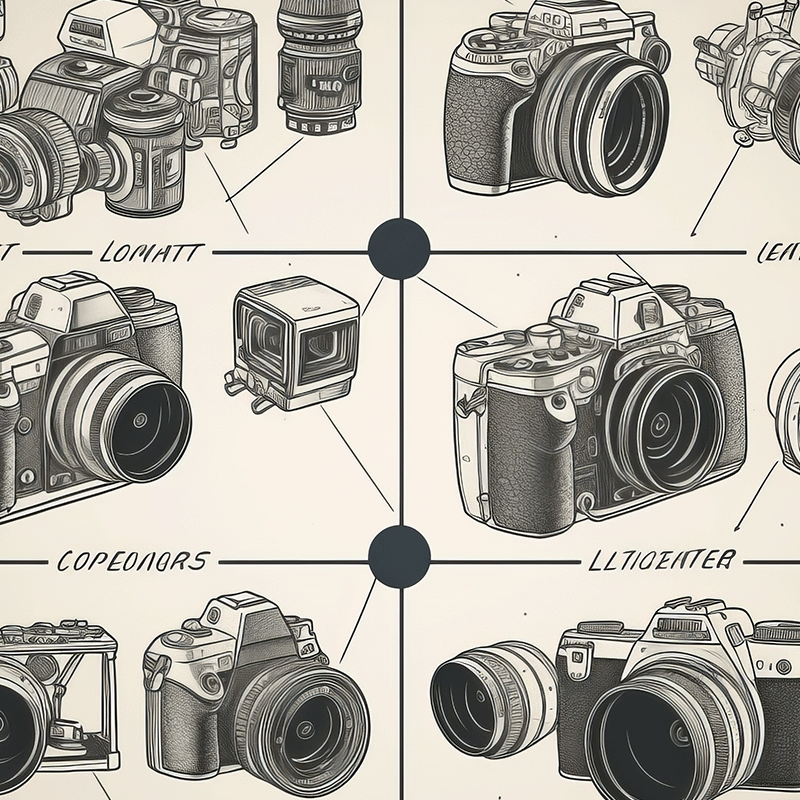
image from /images/latent-space/camera-position-developing-prompts.png
Explore the world of prompt engineering with AI models Midjourney v5 and Stable Diffusion SDXL Beta, generating captivating visual content with diverse camera positions and styles. Use Midjourney templates or ChatGPT to brainstorm prompt ideas, refine them and iterate over results efficiently. Employing images as input for prompt engineering offers a unique approach to creating visual narratives, enhancing the storytelling process with the help of Midjourney's Describe feature or MM-ReAct.

Mastering Camera Positions for AI Art and Generative AI

image from /images/latent-space/camera-position.png
In AI-generated art and storytelling, camera positions can enhance the emotional resonance of your creation. Experimenting with various camera angles can effectively express emotions and support your narrative. This guide explores different camera positions in cinematography, their effects on storytelling and how to adapt them for AI Art and Generative AI platforms.
© Stephan Froede 2026
About Privacy Cookies Terms Imprint
OS