
Comparing LLM and NLP tasks
The blog post compares LLM and NER performance in Named Entity Recognition tasks, highlighting trade-offs between efficiency and specific AI-driven data pipeline requirements.
Generative AI is changing how we write, create images, organize knowledge, and interact with digital systems. But understanding this shift requires more than following new models and product releases. It requires experimentation, critical reflection, and a closer look at the ideas behind the technology.
This blog explores language models, generative art, prompt engineering, associative memory, and emerging AI workflows. It examines how these systems behave in practice, where their limitations become visible, and how they influence creative and intellectual work.
The articles also address the broader questions surrounding artificial intelligence: alignment with human goals, power and responsibility, copyright, regulation, and the increasingly complex relationship between people and machines.
Expect technical explorations, creative experiments, conceptual essays, and practical observations—written for readers who want to understand not only what generative AI can produce, but how it changes the way we think, create, and navigate information.
The blog post compares LLM and NER performance in Named Entity Recognition tasks, highlighting trade-offs between efficiency and specific AI-driven data pipeline requirements.

The rise of AI brings about revolutionary opportunities and significant challenges, requiring a comprehensive regulatory approach. The EU's proposed AI regulation, an ambitious attempt to harness the power of AI while mitigating its risks, could set a precedent for global AI governance. This piece delves into the intricacies of this groundbreaking act and its potential consequences and benefits

US government officials representing various federal agencies, standing together in solidarity, committed to upholding fairness and responsibility in the use of automated systems, including AI and machine learning technologies.

The development of artificial intelligence (AI) has been one of the most essential technological progressions of the modern era. However, as AI becomes an integral part of our personal and professional lives, concerns regarding the safety and security of this technology continue to grow.

Language Models like ChatGPT require careful consideration of context length for optimal performance. Two strategies are available: small context or long context, each with their pros and cons. Developers must choose based on project requirements and stage of development, balancing technical feasibility with business value.

Generative AI is powerful at expanding a space of possible answers. Reliable knowledge requires a different operation: testing claims, rejecting false paths and preserving traceable evidence.

General-purpose AI technologies, like ChatGPT, are revolutionizing how AI systems are used in various industries to improve productivity, creativity, and address global challenges such as climate change and healthcare. However, EU policymakers must navigate complex challenges to balance innovation and protecting public interests such as preventing unauthorized access to sensitive information and tacking disinformation and misinformation.

The rise of generative AI art challenges copyright law and authorship. The Electronic Frontier Foundation advocates for a collaborative approach recognizing the role of both human creators and AI systems. Despite concerns about gatekeeping, using AI to create content offers significant benefits and has low barriers to entry.

As AI systems become increasingly powerful, humanity's status as the dominant species on Earth and its ability to exploit its resources is challenged. It is crucial to align AI with human values and goals and foster open dialogue and collaboration among stakeholders for responsible development.
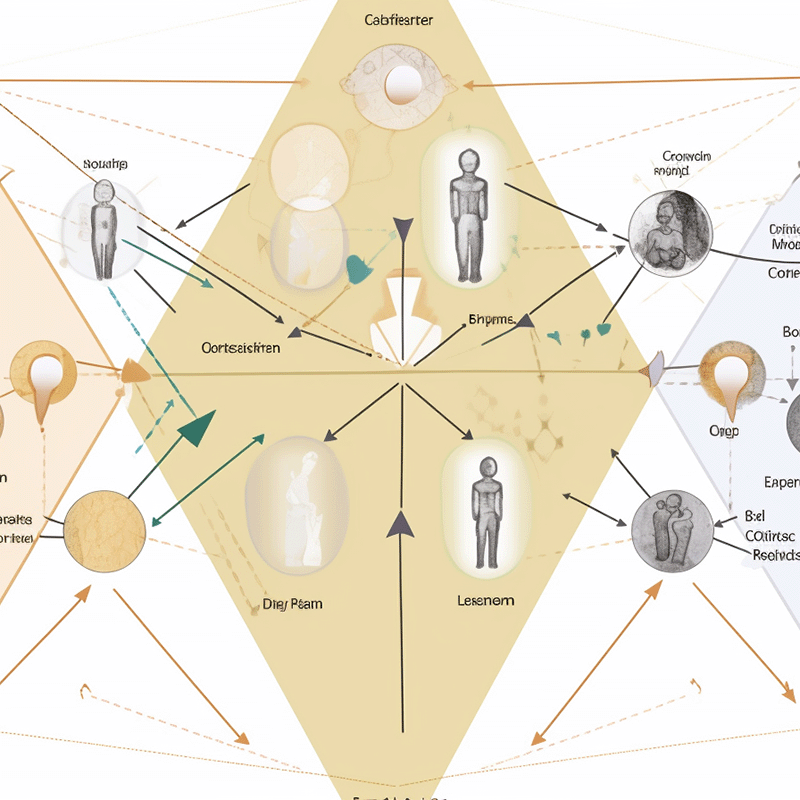
The field of AI has numerous opportunities and challenges with the integration of AI in various aspects of human life. The technicalities and philosophical complexities surrounding the alignment of AI systems with human values and social dynamics are critical. Limitations imposed by Gödel's incompleteness theorems on AI systems highlight the intricacies and uncertainties involved, necessitating continuous research, development, and collaboration for safe and robust AI alignment.